Newsroom
Eco Friendly Disposable Spoons: Reducing Single-Use Plastic

Eco Friendly Disposable Spoons: Reducing Single-Use Plastic
More than eight million tons of plastic enter the world’s oceans every year, challenging the sustainability goals of every American restaurant. For Sustainability managers in Northern California, the push to reduce plastic waste feels urgent as customer expectations and environmental regulations evolve. Integrating eco friendly disposable spoons into daily operations gives your restaurant a visible way to align with green standards while building trust with conscious diners.
Table of Contents
- Defining Eco Friendly Disposable Spoons
- Materials and Manufacturing Processes Explained
- Compostability, Biodegradability, and Certifications
- Comparing Eco Spoons With Plastic Alternatives
- Integrating Eco Spoons Into Restaurant Operations
Key Takeaways
| Point | Details |
|---|---|
| Sustainable Materials | Eco friendly disposable spoons are made from biodegradable materials like bioplastics and agricultural waste, reducing environmental impact. |
| Certification Importance | Verify eco claims by requesting documentation for certifications that confirm biodegradability and compostability standards. |
| Consumer Expectations | Businesses should adopt eco spoons to meet growing consumer demand for sustainable dining options while enhancing their brand image. |
| Operational Changes | Transitioning to eco spoons requires strategic planning for staff training and waste management to align with sustainability goals. |
Defining Eco Friendly Disposable Spoons
Eco friendly disposable spoons represent sustainable eating utensils designed to minimize environmental impact compared to traditional single-use plastic alternatives. These innovative products are crafted from materials that can naturally decompose or be recycled, addressing the growing global concern about plastic waste accumulation in landfills and marine ecosystems.
The fundamental characteristics of eco friendly disposable spoons are rooted in their material composition and end-of-life environmental performance. Consumer preferences and perceptions of eco-friendly dinnerware attributes reveal that key criteria include:
- Biodegradability: Materials that can break down naturally without leaving toxic residues
- Compostability: Ability to decompose completely in industrial or home composting environments
- Sustainable material sources: Utilizing renewable resources like agricultural waste, plant fibers, or bioplastics
Restaurants and food service providers increasingly recognize that eco friendly disposable spoons go beyond simple waste reduction. These utensils represent a strategic approach to environmental responsibility, demonstrating a commitment to sustainable practices while meeting consumer expectations for green alternatives. By selecting spoons made from materials like bamboo, cornstarch, or recycled paper pulp, businesses can significantly decrease their plastic footprint.
Pro Tip: When selecting eco friendly disposable spoons, request detailed environmental certification documentation to verify the actual sustainability claims of the product.
Materials and Manufacturing Processes Explained
Eco friendly disposable spoons emerge from sophisticated manufacturing processes that prioritize environmental sustainability and material innovation. These utensils are crafted through carefully designed production methods that transform renewable resources into functional, biodegradable eating implements. The manufacturing landscape focuses on minimizing carbon footprint while delivering high-performance alternatives to traditional plastic spoons.
The primary materials used in eco friendly disposable spoons typically fall into three distinct categories:
- Bioplastics: Derived from plant-based sources like corn, sugarcane, or potato starch
- Agricultural waste materials: Repurposed fibers from rice husks, bamboo remnants, or wheat stalks
- Recycled organic compounds: Processed materials from paper pulp or reclaimed plant-based waste streams
Manufacturing processes for these spoons involve intricate techniques that transform raw materials into durable yet environmentally responsible products. Eco-friendly production methods require specialized machinery that can handle organic compounds, ensuring minimal waste and energy consumption during production. Advanced thermal molding and compression techniques allow manufacturers to create spoons with structural integrity while maintaining biodegradability.
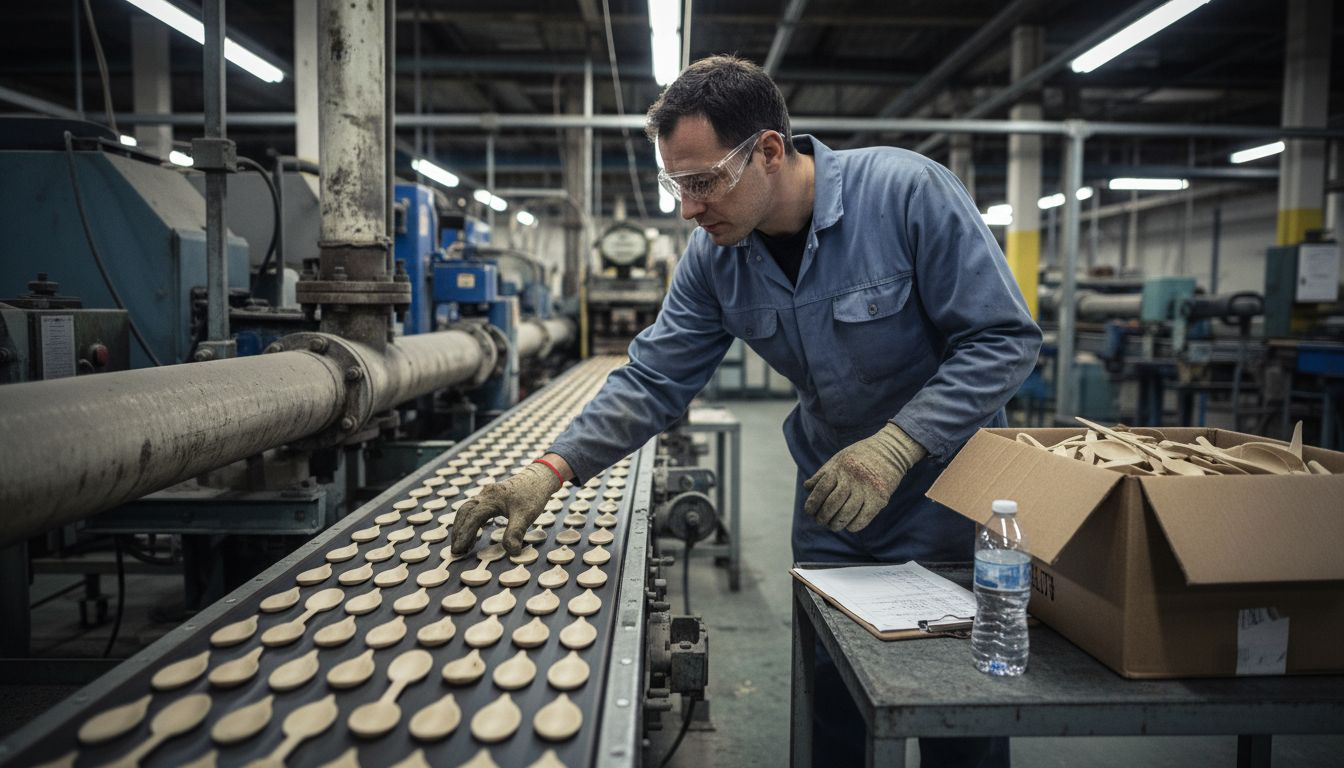
Restaurants and food service providers increasingly recognize the importance of understanding these manufacturing nuances. The production process not only involves material selection but also requires rigorous quality control to ensure the spoons meet safety standards, maintain structural performance, and decompose effectively after use. By selecting manufacturers with transparent production practices, businesses can make informed decisions about their disposable utensil choices.
Here’s a summary of common eco friendly spoon materials and their business advantages:
| Material Type | Typical Source | Sustainability Benefit | Restaurant Value |
|---|---|---|---|
| Bioplastics | Corn starch | Rapid decomposition, low emissions | Reduces landfill waste |
| Agricultural Waste | Rice husks, bamboo | Uses byproducts, renews quickly | Enhances sustainability image |
| Recycled Organic | Paper pulp | Diverts waste, closes resource loop | Supports circular economy |
Pro Tip: Request detailed manufacturing process documentation from suppliers to verify the actual environmental impact and sustainability credentials of your disposable spoon selection.
Compostability, Biodegradability, and Certifications
Eco friendly disposable spoons represent a sophisticated approach to sustainable dining, with compostability and biodegradability serving as critical environmental performance indicators. These advanced utensils must navigate complex certification standards that ensure their genuine ecological value beyond simple marketing claims.
The certification landscape for eco friendly disposable spoons involves rigorous testing and verification processes. Certifications and standards for disposable tableware demonstrate the critical importance of meeting specific environmental criteria:
- Biodegradability: Complete natural decomposition within specified timeframes
- Compostability: Ability to break down in industrial or home composting environments
- Material Safety: Ensuring no toxic residues remain after decomposition
Key certification bodies like the Biodegradable Products Institute (BPI) and TÜV play crucial roles in validating these environmental claims. International standards such as EN13432 and ASTM D6400 provide comprehensive frameworks for assessing the true ecological performance of disposable spoons. These standards evaluate critical factors including decomposition rate, chemical composition, and potential environmental impact.
Restaurants and food service providers must carefully examine these certifications to make informed purchasing decisions. Understanding the nuanced differences between biodegradable and compostable materials helps businesses select utensils that genuinely contribute to waste reduction strategies. The certification process ensures that eco friendly disposable spoons deliver on their environmental promises, providing a transparent and accountable approach to sustainable dining solutions.
Pro Tip: Request full certification documentation from manufacturers and verify the specific composting conditions required for complete material breakdown.
Comparing Eco Spoons With Plastic Alternatives
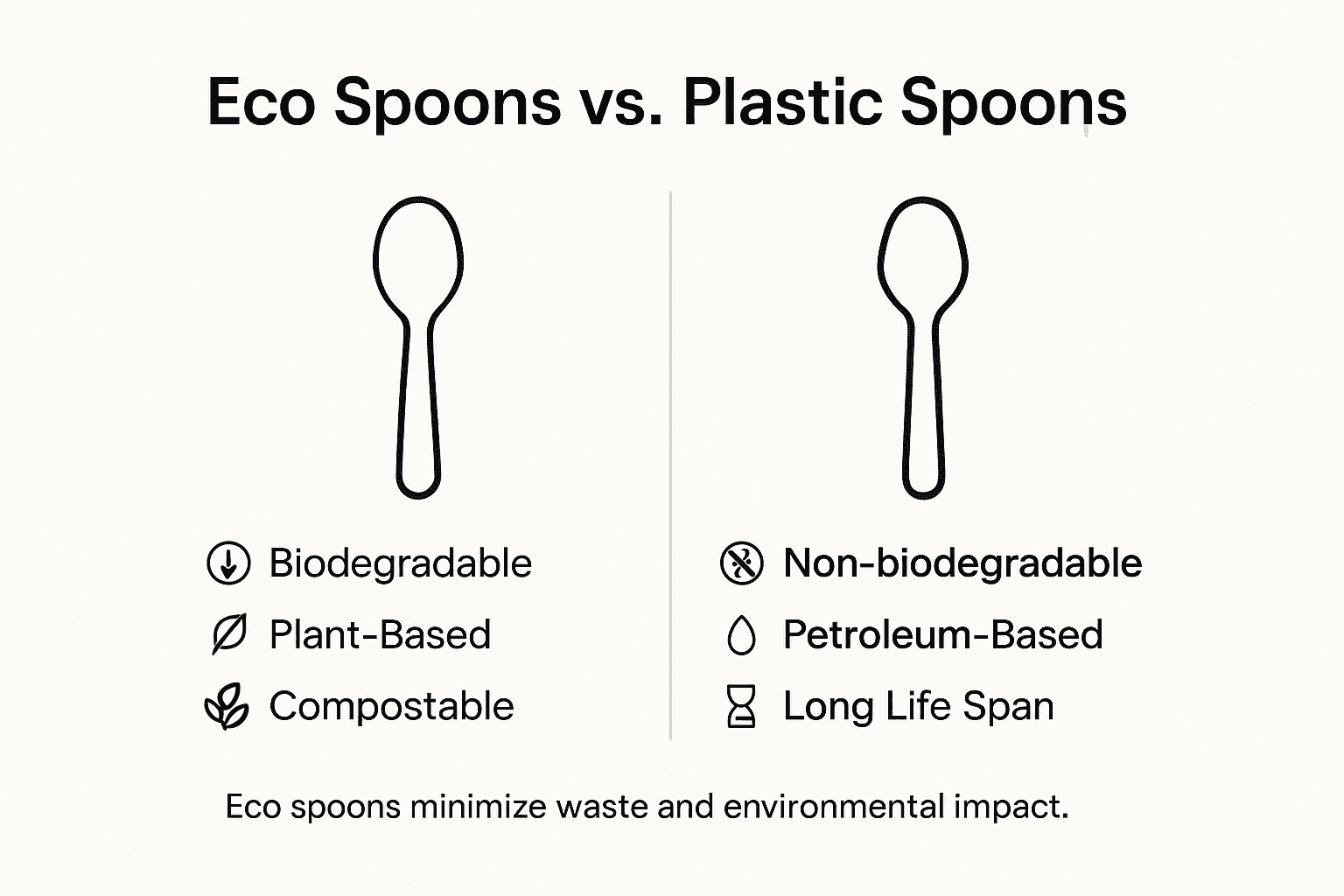
The shift from traditional plastic spoons to eco friendly alternatives represents a critical environmental strategy for restaurants and food service providers. Life cycle assessments of single-use tableware reveal substantial differences in environmental impact between conventional plastic and sustainable materials.
Key comparative factors between eco spoons and plastic alternatives include:
- Carbon Footprint: Eco spoons typically produce 60-80% less greenhouse gas emissions
- Decomposition Time: Plastic spoons persist for 450+ years, while eco spoons break down within months
- Resource Consumption: Sustainable materials require significantly less petroleum-based inputs
- Waste Management: Eco spoons can be composted, unlike plastic spoons that fill landfills
The environmental advantages extend beyond simple waste reduction. Eco spoons made from agricultural waste or plant-based materials actively contribute to circular economy principles. These alternatives demonstrate lower water usage, reduced energy consumption, and minimal toxic chemical leaching compared to traditional petroleum-based plastic utensils.
Food service businesses must consider both immediate cost implications and long-term environmental responsibilities. While eco spoons might present a slightly higher upfront expense, they deliver substantial sustainability benefits. The true value lies in reduced environmental impact, potential marketing advantages, and alignment with growing consumer demand for responsible dining solutions.
The following comparison highlights long-term business impacts of switching to eco spoons:
| Factor | Eco Friendly Spoons | Traditional Plastic Spoons | Impact for Restaurants |
|---|---|---|---|
| Environmental Compliance | Easier to meet regulations | Often faces restrictions | Supports legal and CSR standards |
| Brand Image | Positive, eco-focused | Neutral or negative | Attracts sustainability-conscious customers |
| Long-term Cost Trends | May decrease with volume | Stable or may increase | Potential future cost savings |
Pro Tip: Conduct a comprehensive cost-benefit analysis that includes environmental impact metrics, not just direct purchase price, when evaluating disposable spoon alternatives.
Integrating Eco Spoons Into Restaurant Operations
Successful implementation of eco spoons requires strategic planning and comprehensive operational considerations. Integration of compostable tableware into food service systems demands careful evaluation of logistics, waste management, and organizational readiness.
Restaurants can adopt eco spoons through a structured implementation approach:
- Gradual Transition: Introduce eco spoons in specific menu sections or service types
- Staff Training: Educate employees about proper handling and disposal protocols
- Waste Stream Management: Establish clear composting or recycling infrastructure
- Customer Communication: Design informative messaging about sustainability initiatives
The operational transformation involves more than simply replacing existing utensils. Restaurants must develop comprehensive waste management strategies that align with local composting regulations and infrastructure. This includes understanding specific decomposition requirements, establishing partnerships with industrial composting facilities, and creating internal systems that support proper material segregation and processing.
Financial considerations play a critical role in successful integration. While initial costs might be higher, restaurants can offset expenses through potential marketing advantages, improved brand perception, and alignment with growing consumer sustainability preferences. The long-term benefits extend beyond direct cost savings, encompassing enhanced corporate social responsibility and potential competitive differentiation in the marketplace.
Pro Tip: Conduct a pilot program in a limited restaurant section to test eco spoon performance and gather staff and customer feedback before full-scale implementation.
Take Your Sustainability Efforts Further with Eco-Friendly Solutions
The challenge of reducing single-use plastic is clear from the article on eco friendly disposable spoons. Many restaurants and food service providers face the pain point of balancing environmental responsibility with operational needs. Choosing biodegradable and compostable utensils is a great step but expanding your green commitment with durable, reusable alternatives can amplify your impact. Concepts like lowering carbon footprint and integrating circular economy principles highlight the need for innovative product choices that go beyond disposables.
At The Ocean Straw, we understand these goals deeply. Our offerings include sustainable, plant-based straws designed to complement eco friendly disposable items while reducing waste even more effectively. Bundling your green efforts with our Ocean Straw Growth Pack provides a comprehensive solution tailored to environmentally conscious businesses.
Elevate your sustainability story today by choosing smart, eco-friendly products from The Ocean Straw. Visit our site to explore how reusability, biodegradability, and verified certifications come together for your business advantage. Act now to lead your industry in responsible dining with solutions your customers will respect and remember.
Frequently Asked Questions
What are eco friendly disposable spoons made from?
Eco friendly disposable spoons are typically made from materials like bioplastics derived from plant sources, agricultural waste materials such as rice husks or bamboo, and recycled organic compounds like paper pulp. These materials are chosen for their biodegradable and compostable properties.
How do eco friendly disposable spoons differ from traditional plastic spoons?
Eco friendly disposable spoons produce significantly lower greenhouse gas emissions, decompose within months compared to plastic spoons that can persist for over 450 years, and utilize renewable resources instead of petroleum-based inputs.
What should restaurants consider when integrating eco friendly spoons into their operations?
Restaurants should implement a gradual transition, provide staff training on proper handling and disposal, establish clear waste management systems for composting or recycling, and communicate sustainability initiatives effectively to customers.
How can I verify the environmental claims of eco friendly disposable spoons?
Request detailed environmental certification documentation from manufacturers, and check for certifications from recognized bodies like the Biodegradable Products Institute (BPI) or compliance with international standards such as EN13432 and ASTM D6400.
Recommended
- Eco-Friendly Plates And Cutlery: Why It Matters for Foodservice – The Ocean Straw
- Understanding Single Use Plastic Impact on Environment – The Ocean Straw
- Eco‑Friendly Party Plates & Cutlery: Benefits for Foodservice – The Ocean Straw
- Complete Guide to Eco Friendly Takeout Containers – The Ocean Straw