Newsroom
Eco Friendly Plastic: Impact on Foodservice Sustainability
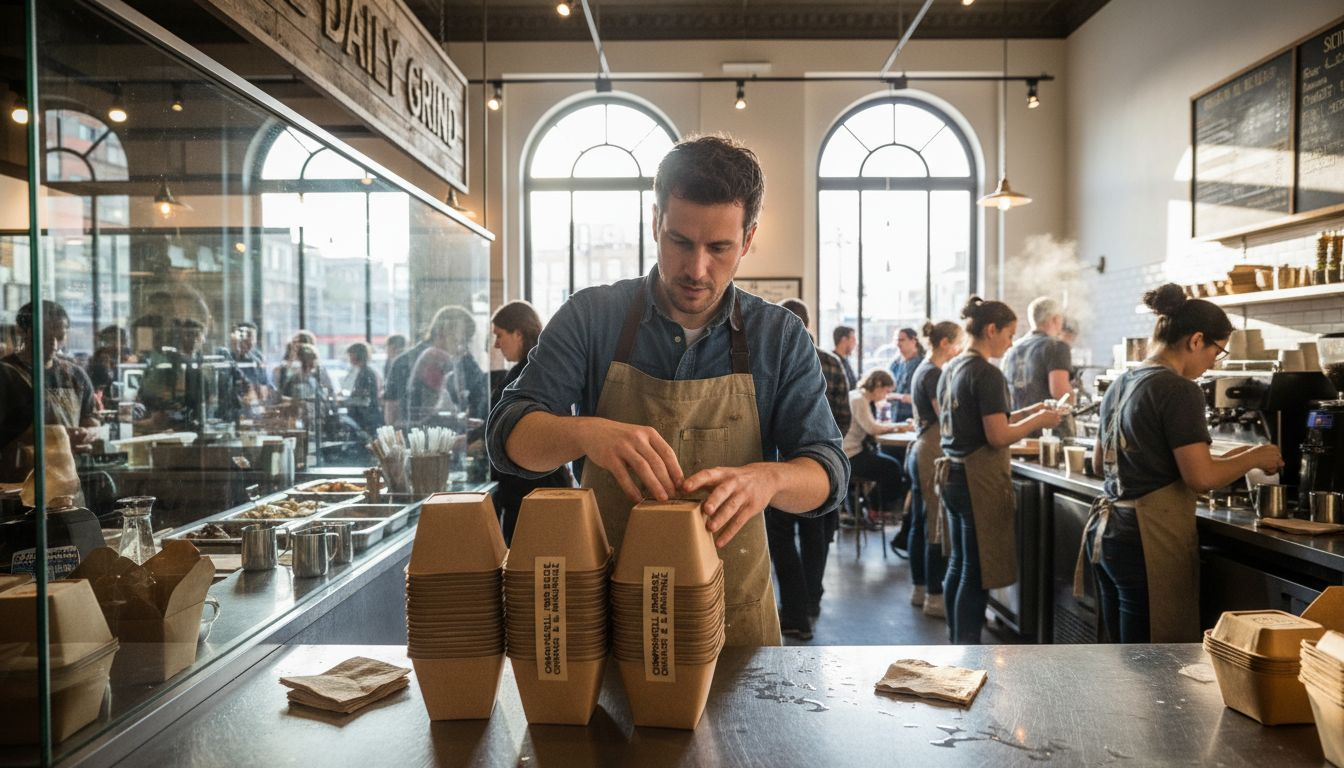
Eco Friendly Plastic: Impact on Foodservice Sustainability
Every american restaurant owner faces growing pressure from customers to eliminate single-use plastics and adopt truly sustainable options. With nearly 380 million metric tons of plastic waste generated globally each year, eco-conscious cafes and eateries across the United States and Canada are looking for beverage service solutions that protect the planet while still delivering reliable durability and customer satisfaction. This guide highlights the key benefits and practical performance of advanced eco-friendly plastics, empowering you to make informed, responsible choices for your foodservice business.
Table of Contents
- Defining Eco Friendly Plastic Solutions
- Types Of Sustainable Plastics Explained
- Durability And Safety In Foodservice Use
- Environmental Benefits And Certifications
- Comparing Alternatives To Single-Use Plastics
Key Takeaways
| Point | Details |
|---|---|
| Adoption of Eco Friendly Plastics | The foodservice industry is shifting towards eco friendly plastics to minimize environmental impacts while retaining performance capabilities. |
| Types of Sustainable Plastics | Key categories include Bioplastics, Compostable Plastics, Recycled-Content Plastics, and Bio-Based Performance Plastics, each with unique benefits. |
| Performance and Safety Standards | Sustainable plastics must meet safety standards, ensuring mechanical strength, temperature resistance, and chemical stability for foodservice use. |
| Importance of Certifications | Third-party certifications validate the ecological claims of sustainable plastics, helping businesses make informed choices in material selection. |
Defining Eco Friendly Plastic Solutions
Eco friendly plastics represent a transformative approach to sustainable materials in the foodservice industry, offering innovative solutions that minimize environmental impact. Sustainable material development encompasses a comprehensive strategy focused on reducing ecological footprints while maintaining functional performance.
These advanced materials are characterized by specific criteria that distinguish them from traditional petroleum-based plastics. Biodegradable plastics are engineered to break down naturally after use, typically through microbial decomposition processes. Key attributes include:
- Derived from renewable biological sources
- Capable of complete natural degradation
- Reduced carbon emission during production
- Minimal toxic residue after decomposition
The global food packaging sector increasingly recognizes the critical importance of transitioning toward environmentally responsible material options_2024_Permata,%20D.%20A.–989.pdf). By developing plastics that integrate seamlessly with natural ecological systems, manufacturers can significantly reduce long-term environmental consequences.
Pro tip: When selecting eco friendly plastic solutions, prioritize materials with clear biodegradability certifications and transparent lifecycle assessments to ensure genuine sustainability.
Types Of Sustainable Plastics Explained
Sustainable plastics encompass a diverse range of innovative materials designed to reduce environmental impact and transform traditional packaging approaches. Comprehensive plastic classification systems reveal multiple categories of eco-conscious alternatives that address different sustainability challenges in the foodservice industry.
The primary types of sustainable plastics include:
- Bioplastics: Derived from renewable biological sources like corn, sugarcane, or algae
- Compostable Plastics: Designed to break down completely in industrial composting environments
- Recycled-Content Plastics: Manufactured using post-consumer or post-industrial plastic waste
- Bio-Based Performance Plastics: Advanced materials engineered to match traditional plastic performance while reducing carbon footprint
Advanced sustainable plastic technologies demonstrate remarkable potential in addressing environmental concerns. These materials undergo sophisticated engineering processes that enable them to decompose more efficiently, reduce greenhouse gas emissions, and provide comparable durability to conventional plastics.

Restaurant owners and foodservice professionals can select from these innovative solutions based on specific operational requirements, waste management capabilities, and sustainability goals. The key is understanding each material’s unique characteristics, degradation mechanisms, and environmental impact.
Here’s a summary of how different sustainable plastics perform in key areas relevant to foodservice:
| Plastic Type | Durability in Use | Environmental Impact | Disposal Pathway |
|---|---|---|---|
| Bioplastics | Good, but can vary | Low carbon footprint | Industrial composting |
| Compostable Plastics | Moderate temperature | Minimal landfill persistence | Commercial compost facility |
| Recycled-Content Plastics | High, reused resin | Supports waste reduction | Curbside recycling |
| Bio-Based Performance Plastics | Comparable to petroleum | Reduces fossil resource use | Standard waste and recycling |
Pro tip: When evaluating sustainable plastic options, request detailed lifecycle assessment documentation to ensure the material genuinely meets your environmental and performance standards.
Durability And Safety In Foodservice Use
Foodservice professionals require sustainable plastic solutions that not only minimize environmental impact but also maintain rigorous safety and performance standards. Innovative biobased polymer technologies are revolutionizing food packaging by introducing advanced materials with enhanced protective capabilities and minimal ecological consequences.
Key performance considerations for sustainable plastics in foodservice environments include:
- Mechanical Strength: Ability to withstand typical food service handling and transportation
- Temperature Resistance: Maintaining structural integrity across various temperature ranges
- Chemical Stability: Preventing unwanted interactions with food substances
- Barrier Properties: Protecting food from contamination and maintaining freshness
Safety standards for food-contact materials have become increasingly sophisticated, requiring comprehensive testing and documentation. Modern sustainable plastics undergo extensive evaluation to ensure they meet stringent regulatory requirements, including migration testing, toxicity assessments, and long-term performance analysis.
The evolution of eco-friendly plastics represents a critical intersection between environmental responsibility and food safety. Restaurant and catering professionals must carefully assess each material’s unique characteristics, understanding that sustainability cannot compromise food protection or consumer health.
Pro tip: Request comprehensive material safety data sheets and third-party certification documentation when selecting sustainable plastic alternatives for your foodservice operation.
Environmental Benefits And Certifications
Sustainable plastics in foodservice represent a critical pathway to reducing environmental impact and transforming waste management practices. Comprehensive environmental certification frameworks provide rigorous standards that validate the ecological credentials of innovative packaging materials.
Key environmental benefits of sustainable plastics include:
- Carbon Footprint Reduction: Significantly lower greenhouse gas emissions compared to traditional petroleum-based plastics
- Waste Minimization: Enhanced biodegradability and compostability
- Resource Conservation: Utilizing renewable biological sources for material production
- Circular Economy Support: Enabling more effective recycling and material recovery processes
Third-party sustainability certifications play a crucial role in substantiating environmental claims. These independent verification processes ensure that eco-friendly plastic solutions meet internationally recognized standards for environmental performance, helping foodservice businesses make transparent and responsible material choices.
The evolution of environmental certifications represents a sophisticated approach to validating sustainability claims. By requiring detailed lifecycle assessments, migration testing, and comprehensive environmental impact analyses, these frameworks prevent greenwashing and provide credible evidence of genuine ecological benefits.
The following table highlights common environmental certifications and what they validate for sustainable plastics:
| Certification Name | Focus Area | What It Confirms |
|---|---|---|
| EN 13432 | Compostability | Material fully breaks down in compost |
| USDA BioPreferred | Biobased Content | High proportion of biobased feedstock |
| ASTM D6400 | Industrial Compostability | Meets standards for safe composting |
| Cradle to Cradle | Lifecycle Assessment | Evaluates environmental and health impacts |
Pro tip: Request complete certification documentation that includes detailed carbon footprint calculations and independent third-party verification when evaluating sustainable plastic alternatives.
Comparing Alternatives To Single-Use Plastics
Foodservice professionals face complex challenges when selecting sustainable packaging alternatives to traditional single-use plastics. Comprehensive material assessments reveal multiple strategic options that balance environmental responsibility with practical operational requirements.
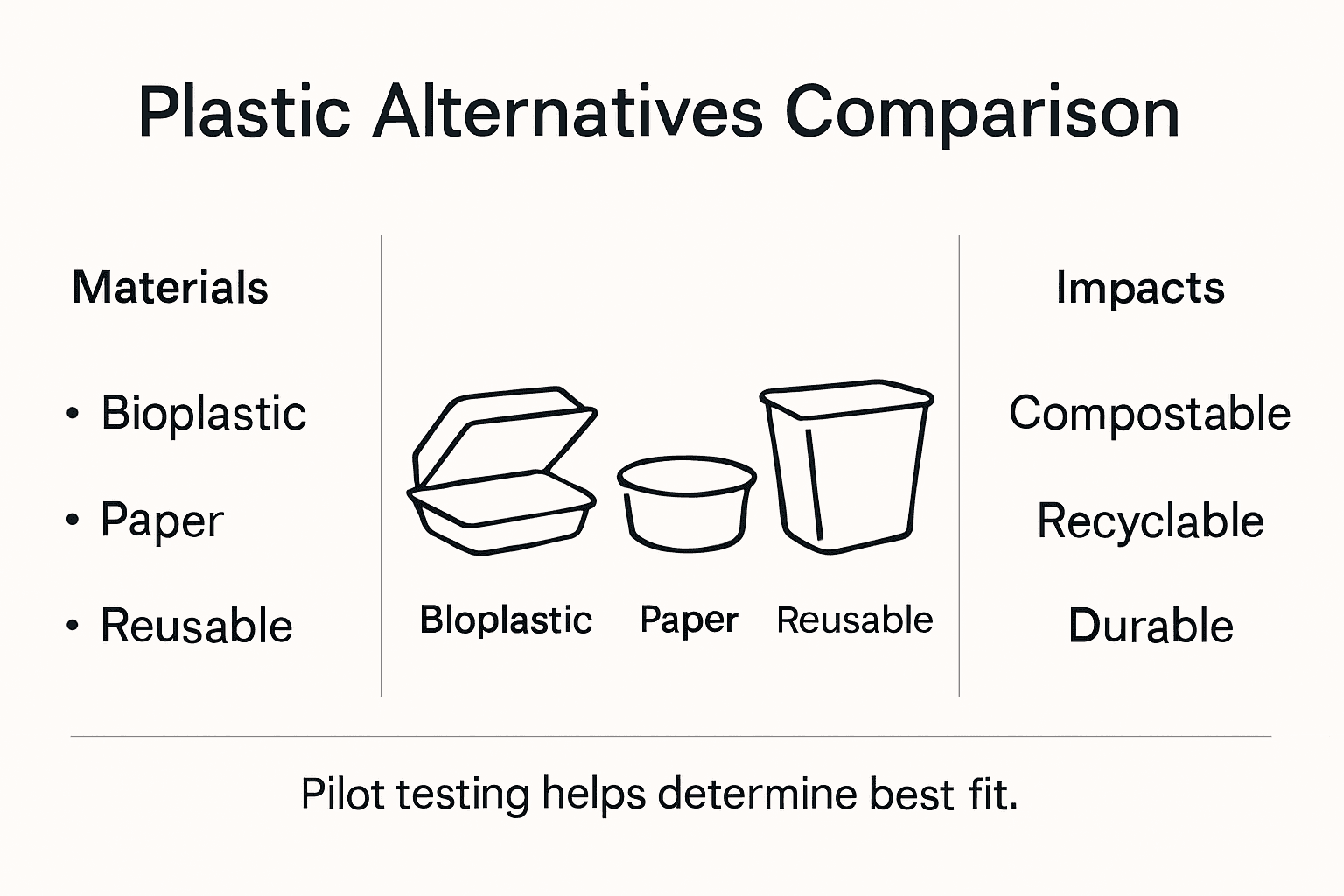
Potential alternatives to single-use plastics include:
- Biopolymer Containers: Made from plant-based materials with enhanced biodegradability
- Paper-Based Packaging: Utilizing renewable forest resources with improved coating technologies
- Natural Fiber Products: Developing containers from agricultural waste materials
- Reusable Service Systems: Implementing durable, washable foodservice solutions
Global lifecycle comparisons demonstrate that alternative materials often provide superior environmental performance across multiple impact categories. These assessments consider factors like carbon emissions, water usage, waste generation, and overall ecological footprint, providing nuanced insights beyond simple material substitution.
Restaurant and catering professionals must conduct thorough evaluations that consider not just environmental credentials, but also practical considerations such as cost, durability, food safety, and customer experience. Each alternative material presents unique advantages and potential limitations that require careful strategic assessment.
Pro tip: Conduct pilot testing with multiple alternative materials to understand their real-world performance and compatibility with your specific foodservice operations.
Enhance Your Foodservice Sustainability with Eco Friendly Straw Solutions
The challenge of reducing single-use plastic waste while maintaining durable, safe, and eco-friendly foodservice materials is more pressing than ever. This article highlights the crucial need for biodegradable and compostable plastics that protect the environment without compromising performance or food safety. At TheOceanStraw.com, we understand these goals and pain points deeply. Our innovative straws, crafted from wood and plant-based materials, offer a durable alternative that aligns perfectly with the article’s emphasis on sustainability, biodegradability, and rigorous safety standards.
Take the next step in your business’s green journey by choosing reusable straw options that holistically support your environmental initiatives and enhance customer trust. Discover how our certified, eco-friendly straws can seamlessly integrate into your foodservice operations. Visit TheOceanStraw.com to explore product details, request samples, and join other hospitality leaders who prioritize impactful, sustainable choices today.
Frequently Asked Questions
What are eco friendly plastics and how do they differ from traditional plastics?
Eco friendly plastics are sustainable materials designed to minimize environmental impact, primarily composed of biodegradable substances from renewable resources. Unlike traditional petroleum-based plastics, they break down naturally without harmful residues.
What types of sustainable plastics are commonly used in foodservice?
Common types of sustainable plastics include bioplastics, compostable plastics, recycled-content plastics, and bio-based performance plastics, each with varying degrees of biodegradability and environmental impact.
How do I ensure that the eco friendly plastics I choose are genuinely sustainable?
To ensure sustainability, look for clear biodegradability certifications and detailed lifecycle assessments from manufacturers, which provide verification of the material’s environmental claims.
What are the environmental benefits of using sustainable plastics in food packaging?
Sustainable plastics reduce carbon footprints by emitting fewer greenhouse gases during production, minimize waste through enhanced biodegradability, and support resource conservation by utilizing renewable biological sources.