Newsroom
Sustainable Restaurant Practices: Eco-Conscious Operations

Environmental and Wildlife Management: Big Impact for Food Service
Reducing plastic waste in food service operations presents daily challenges for managers committed to sustainability. Restaurants in the United States and Canada play a vital role in shaping healthier communities and supporting ecological balance. Understanding the principles of wildlife management and adopting eco-friendly products can help transform your business into a trusted leader in environmental responsibility while positively affecting local habitats and reducing your environmental footprint.
Table of Contents
- Defining Environmental And Wildlife Management
- Types And Approaches: Conservation And Sustainable Use
- Key Processes: Habitat Protection And Impact Assessments
- Regulatory Frameworks And Industry Standards
- Risks, Compliance, And Common Challenges
- Eco-Friendly Products As Effective Solutions
Key Takeaways
| Point | Details |
|---|---|
| Wildlife Management Integration | Effective wildlife management combines multiple disciplines to ensure ecological balance and human needs are addressed. |
| Conservation Strategies | Biodiversity conservation utilizes both in situ and ex situ methods to tackle various preservation challenges. |
| Impact Assessment Importance | Comprehensive habitat protection relies on rigorous impact assessments and monitoring of ecological health indicators. |
| Collaborative Approaches | Engaging communities and leveraging technology are vital for developing sustainable wildlife management and conservation strategies. |
Defining environmental and wildlife management
Wildlife management represents a sophisticated, science-driven approach to preserving and protecting wild animal populations and their ecosystems. Scientific interpretation of wildlife dynamics encompasses more than simple conservation—it involves complex strategies balancing ecological health, human needs, and sustainable practices.
At its core, wildlife management integrates multiple disciplines to understand and maintain healthy ecosystems. Key components include:
- Monitoring animal populations
- Assessing habitat conditions
- Implementing protection strategies
- Managing human-wildlife interactions
- Utilizing advanced technological tools like satellite tracking and drone surveillance
Wildlife conservation requires a holistic perspective that considers both ecological systems and human societal requirements. The approach goes beyond simple preservation, focusing on creating sustainable frameworks where wildlife and human communities can coexist harmoniously.
Modern wildlife management techniques leverage advanced technologies and interdisciplinary research to develop comprehensive strategies. Comprehensive wildlife stewardship now involves scientific monitoring, habitat restoration, population control, and proactive conservation efforts that adapt to changing environmental conditions.
Pro tip: Implement regular ecosystem assessments and leverage emerging technologies to develop more effective wildlife management strategies.
Types and approaches: conservation and sustainable use
Biodiversity conservation represents a multifaceted strategy for protecting ecological systems through integrated landscape approaches. Conservation strategies worldwide typically fall into two primary categories: in situ and ex situ conservation methods, each addressing unique ecological preservation challenges.
The primary conservation approaches include:
- In situ conservation
- Protecting species within natural habitats
- Establishing protected areas and biosphere reserves
- Implementing community-based resource management
- Ex situ conservation
- Preserving biodiversity outside natural environments
- Maintaining gene banks
- Supporting captive breeding programs
Sustainable use strategies are critical for maintaining ecological balance while supporting human needs. Integrated landscape management emphasizes collaborative approaches that balance habitat protection with sustainable land use practices such as eco-friendly agriculture and responsible forestry.
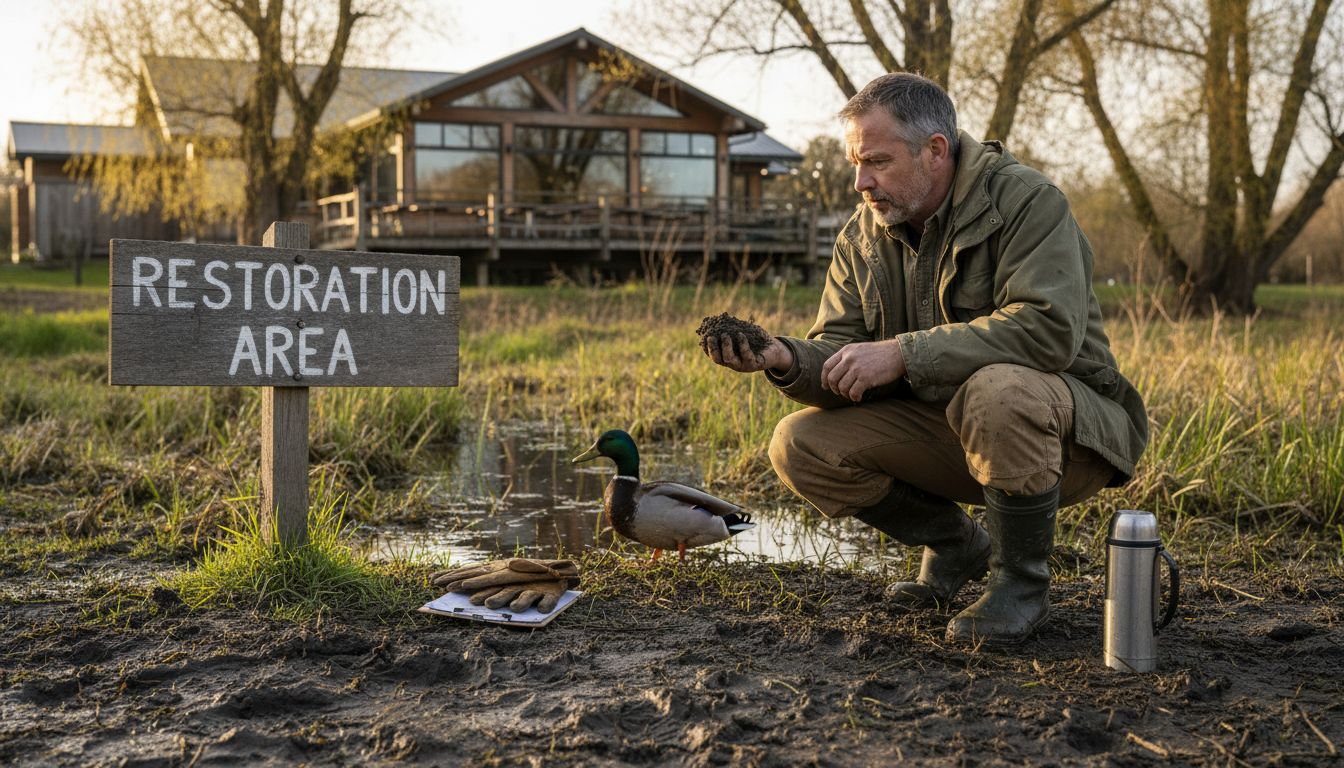
Modern conservation efforts increasingly recognize the importance of community engagement and technological innovation. By developing adaptive management techniques that consider both ecological integrity and human socioeconomic requirements, wildlife managers can create more resilient and effective conservation frameworks.
Here’s a comparison of in situ and ex situ conservation methods used in biodiversity management:
| Approach | Strengths | Limitations |
|---|---|---|
| In situ conservation | Preserves natural habitats | Vulnerable to environmental change |
| Ex situ conservation | Safeguards endangered species | May disrupt ecological balance |
Pro tip: Develop multi-stakeholder partnerships and leverage technology to create more comprehensive and adaptable conservation strategies.
Key processes: habitat protection and impact assessments
Habitat protection represents a critical strategy for maintaining ecological integrity and preserving biodiversity across complex ecosystems. Environmental impact assessment techniques have evolved to provide comprehensive approaches for evaluating and mitigating potential disruptions to wildlife and natural environments.
Key components of habitat protection and impact assessment include:
- Baseline ecological documentation
- Species population surveys
- Habitat quality mapping
- Identifying critical ecological zones
- Comprehensive monitoring processes
- Regular biodiversity tracking
- Assessing ecosystem health indicators
- Tracking changes in habitat conditions
Legal frameworks play a crucial role in establishing structured protection mechanisms. Natura 2000 network regulations demonstrate how strategic legal approaches can create robust systems for maintaining ecological balance and species conservation across broad geographical regions.
Modern impact assessment methodologies increasingly incorporate local ecological knowledge and participatory approaches. By integrating scientific research with community insights, wildlife managers can develop more nuanced and effective strategies that balance conservation goals with sustainable development needs.
Pro tip: Develop interdisciplinary assessment teams that combine scientific expertise with local environmental knowledge to create more comprehensive habitat protection strategies.
Regulatory frameworks and industry standards
Wildlife management regulations form a complex network of legal mechanisms designed to protect ecological systems and balance human interactions with natural environments. International wildlife law frameworks encompass multiple treaties and conventions that establish critical guidelines for species conservation and transnational environmental protection.
Key international regulatory components include:
- Global conservation treaties
- Convention on International Trade in Endangered Species (CITES)
- Convention on Biological Diversity
- Convention on Migratory Species
- Regional regulatory mechanisms
- Transboundary habitat protection agreements
- Cross-border wildlife management protocols
- Collaborative enforcement strategies
Sustainable Wildlife Management approaches integrate statutory and customary legal frameworks to create comprehensive conservation strategies. These frameworks aim to balance environmental preservation with human socioeconomic needs, recognizing the complex interactions between ecological systems and community livelihoods.
Modern regulatory standards increasingly emphasize participatory approaches, incorporating indigenous knowledge and local community perspectives into wildlife management decision-making processes. By developing adaptive and inclusive legal frameworks, policymakers can create more effective and culturally sensitive conservation strategies that address the nuanced challenges of global biodiversity protection.
Pro tip: Develop comprehensive understanding of both international treaties and local regulations to create more effective wildlife management strategies.
Risks, compliance, and common challenges
Biodiversity management confronts numerous complex challenges that threaten ecosystem stability and wildlife populations. Wildlife resource management risks encompass a wide range of interconnected environmental and anthropogenic pressures that demand comprehensive and adaptive strategies.
Primary challenges in wildlife conservation include:
- Ecological disruption factors
- Habitat loss and fragmentation
- Climate change impacts
- Invasive species proliferation
- Human-induced environmental pressures
- Illegal wildlife trade
- Chemical pollution
- Zoonotic disease transmission
Systemic barriers to effective wildlife protection emerge from complex legislative limitations and inadequate enforcement mechanisms. These challenges require sophisticated, multi-stakeholder approaches that integrate scientific research, community engagement, and robust policy frameworks.
Addressing biodiversity conservation challenges demands a holistic approach that combines technological innovation, policy reform, and collaborative governance. By developing adaptive management strategies that recognize the interconnected nature of ecological systems, wildlife managers can create more resilient and effective conservation frameworks that mitigate ongoing environmental risks.
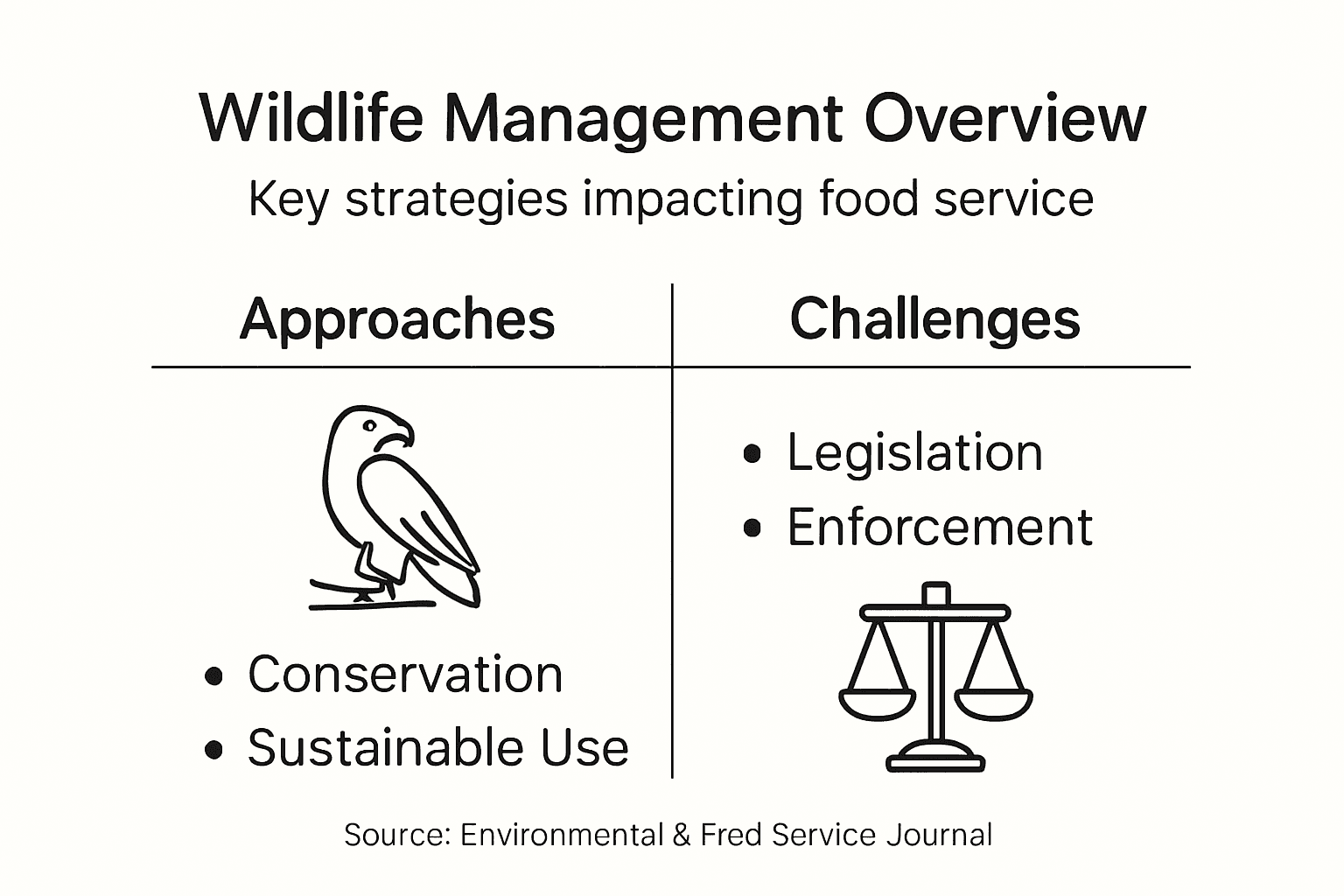
The table below summarizes major risks and adaptive solutions in wildlife management:
| Challenge | Risk Example | Adaptive Solution |
|---|---|---|
| Habitat fragmentation | Loss of ecosystem | Landscape connectivity projects |
| Illegal wildlife trade | Endangered species | Cross-border enforcement efforts |
| Climate change | Shifting habitats | Climate-resilient management |
Pro tip: Develop interdisciplinary teams that integrate scientific expertise, local knowledge, and policy insights to create comprehensive wildlife management strategies.
Eco-friendly products as effective solutions
Sustainable food service products represent a critical strategy for reducing environmental impact and promoting ecological responsibility. Sustainable food service innovations prioritize reusable options and environmentally certified materials that minimize resource consumption and waste generation.
Key characteristics of effective eco-friendly products include:
- Material composition
- Recyclable components
- Biodegradable materials
- Compostable alternatives
- Performance criteria
- Reduced carbon footprint
- Minimal energy requirements
- Extended product lifecycle
Packaging technologies are evolving to address environmental sustainability challenges through innovative material designs. Advanced biopolymers and nanomaterials offer promising solutions that balance food preservation requirements with ecological considerations, creating products that support both operational efficiency and environmental conservation.
Successful implementation of eco-friendly products demands collaborative efforts across industries, governments, and consumer markets. By integrating scientific research, technological innovation, and strategic policy frameworks, businesses can develop comprehensive solutions that reduce environmental impact while maintaining high-performance standards.
Pro tip: Conduct comprehensive lifecycle assessments to identify and implement the most effective sustainable product alternatives for your specific food service operations.
Drive Lasting Change in Environmental and Wildlife Management with Sustainable Solutions
The article highlights the urgent need to address ecological disruption, habitat protection, and sustainable use strategies as critical challenges for food service and hospitality sectors. Businesses face pressure to reduce plastic waste and support biodiversity conservation while maintaining high operational standards. Pain points include balancing environmental impact with human needs and adopting innovative materials that align with regulatory frameworks and eco-friendly goals.
At TheOceanStraw.com, we offer durable, biodegradable drinking straws made from innovative wood and plant-based materials. Our products directly support sustainable food service practices by providing an effective alternative to single-use plastics that often contribute to habitat degradation and pollution. By integrating our eco-friendly straws into your offerings, you actively participate in reducing plastic waste and promoting wildlife conservation.
Enhance your establishment’s environmental stewardship today with high-quality reusable straw options trusted by leading businesses in the hospitality industry. Discover product specifications, environmental benefits, and wholesale opportunities at Our Homepage. Act now to align your operations with rising global sustainability standards and make a tangible impact on wildlife and habitat preservation.
Frequently Asked Questions
What is wildlife management, and why is it important?
Wildlife management is a science-driven approach to preserving and protecting wild animal populations and their ecosystems. It balances ecological health, human needs, and sustainable practices, ensuring a harmonious coexistence between wildlife and human communities.
What are the main types of conservation methods used in biodiversity management?
The two primary conservation methods are in situ conservation, which involves protecting species within their natural habitats, and ex situ conservation, which preserves biodiversity outside of natural environments, such as through captive breeding programs and gene banks.
How can eco-friendly products contribute to wildlife conservation?
Eco-friendly products, such as sustainable food service products, minimize resource consumption and waste generation while supporting environmental responsibility. Innovations in materials and packaging can significantly reduce the ecological footprint of food service operations and contribute positively to wildlife habitats.
What are the key challenges faced in wildlife conservation?
Major challenges include habitat loss and fragmentation, climate change impacts, invasive species proliferation, illegal wildlife trade, chemical pollution, and zoonotic disease transmission. Addressing these requires adaptive management strategies that integrate scientific research and community engagement.
Recommended
- 7 Ways Wildlife Management Degrees Benefit Restaurants – The Ocean Straw
- Wildlife Conservation Management: Complete Guide – The Ocean Straw
- 7 Practical Ways Fishery and Wildlife Management Drives Sustainability – The Ocean Straw
- Conservation Wildlife Management: Impact on Foodservice Sustainability – The Ocean Straw
- Incorporating Green Interior Design into Commercial Spaces: A Guide