Newsroom
Sustainable Straws: Cut Foodservice Waste by 80% Guide
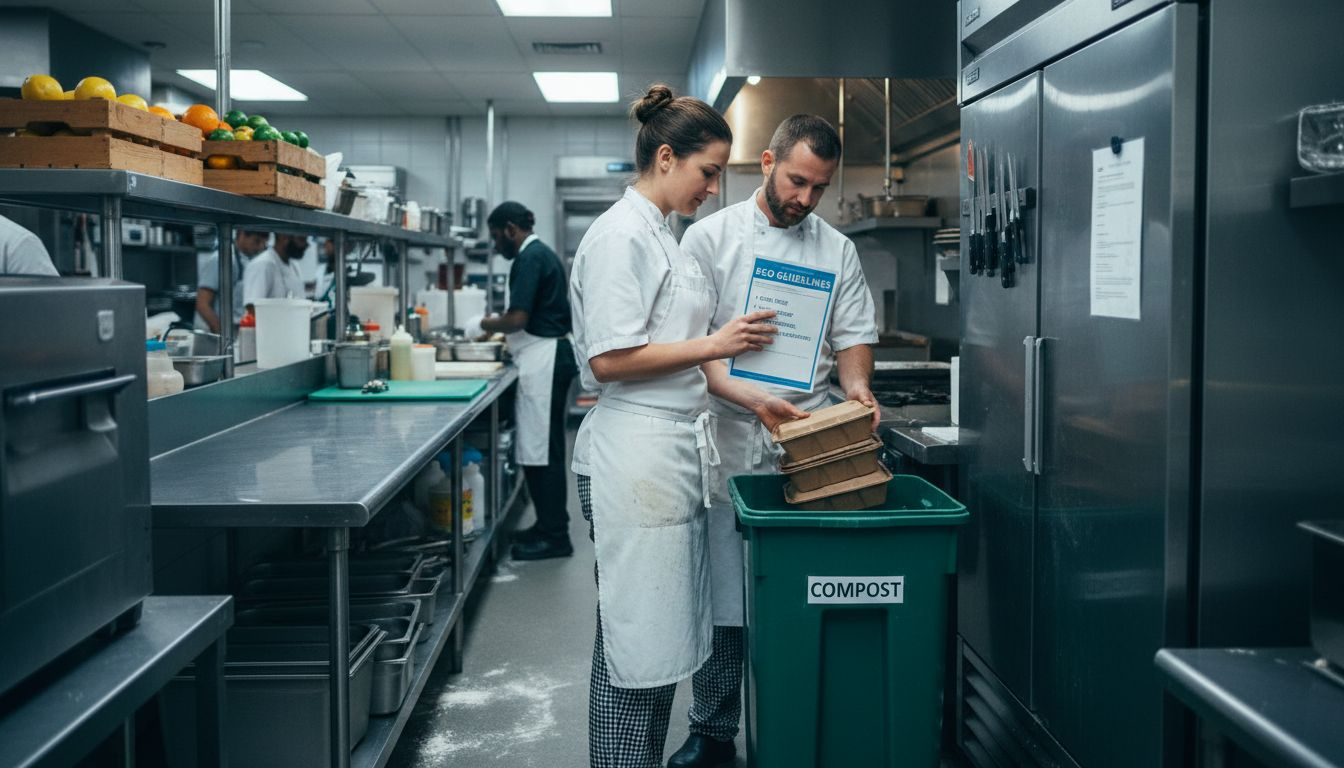
Cut Foodservice Waste 80%: Ecological Footprint Guide
Food and beverage professionals face mounting pressure to reduce environmental impact without sacrificing service quality or profitability. Switching to reusable packaging can slash plastic waste by up to 80%, but implementation requires strategic planning. This guide delivers a practical roadmap to adopt reusable and biodegradable packaging that measurably cuts your ecological footprint while strengthening brand reputation and customer loyalty.
Table of Contents
- Prerequisites: What You Need Before Starting
- Types of Reusable and Biodegradable Packaging Suited for Foodservice
- Step-by-Step Implementation Process for Reducing Ecological Footprint
- Common Obstacles and How to Overcome Them in F&B Sustainability
- Measurable Success Metrics for Ecological Footprint Reduction
- Safety and Regulatory Considerations for Reusable Products
- Aligning Sustainable Packaging Choices with Brand Image and Regulatory Compliance
- Explore Premium Reusable Packaging Solutions at The Ocean Straw
Key Takeaways
| Point | Details |
|---|---|
| Waste Reduction Potential | Reusable packaging can eliminate up to 80% of plastic waste in foodservice operations. |
| Implementation Timeline | Measurable environmental benefits typically appear within 6 to 12 months of full adoption. |
| Training Requirements | Comprehensive staff training and clear consumer communication are critical success factors. |
| Customer Impact | Sustainability initiatives can boost customer loyalty by up to 20% among eco-conscious consumers. |
| Regulatory Compliance | All reusable items must meet food safety standards and proper sanitation protocols. |
Prerequisites: What You Need Before Starting
Successful ecological footprint reduction begins with proper groundwork. Before introducing reusable and biodegradable packaging, you need foundational knowledge of sustainability metrics to establish a baseline for your current environmental impact.
Start by measuring your existing waste output. Track how many pounds of plastic packaging your operation discards weekly. Document what types of single-use items you currently purchase and their associated costs. This baseline data becomes essential for demonstrating progress later.
Secure access to vetted suppliers who provide certified eco-friendly products. Not all packaging marketed as sustainable delivers genuine environmental benefits. Look for suppliers offering transparent certifications and third-party verification of biodegradability claims.
Commit to staff training and consumer education as non-negotiable investments. Your team needs clear protocols for handling, cleaning, and storing reusable items. Without proper training, contamination risks increase and sustainability benefits diminish.
Assess your current operational capacity for managing reusable products. Do you have adequate dishwashing facilities? Can your workflow accommodate collection and sanitation cycles? Identify infrastructure gaps now before purchasing new packaging.
Develop a consumer communication strategy that explains your sustainability initiative clearly. Customers need to understand how reusable products work, why they matter, and what role they play in the system. Transparent messaging prevents confusion and builds participation.
Finally, establish hygiene management systems that balance sustainability with food safety. Create documented cleaning procedures, assign responsibility for sanitation monitoring, and plan for regular compliance audits. Safety cannot be compromised in pursuit of environmental goals.
Types of Reusable and Biodegradable Packaging Suited for Foodservice
Understanding your product options enables informed sourcing decisions that match your operational needs and sustainability targets. The foodservice industry now has access to diverse reusable and biodegradable materials that perform reliably while reducing environmental harm.
Reusable straws, containers, and cutlery made from wood and plant-based materials offer exceptional durability. These items withstand repeated washing cycles while maintaining structural integrity and food safety compliance. Wood-based products provide natural antimicrobial properties that support hygiene goals.

Biodegradable packaging materials like plant-based bioplastics and mushroom-based packaging break down naturally within months, reducing landfill input and pollution. These materials decompose without leaving toxic residues, supporting circular economy principles.
Consider these key factors when evaluating packaging options:
- Durability for repeated use cycles without degradation
- Food safety certifications and compliance documentation
- Actual biodegradability timelines and conditions required
- Total cost of ownership including purchase price and cleaning expenses
- Customer acceptance and ease of use in your service model
| Feature | Reusable Packaging | Single-Use Packaging |
|---|---|---|
| Lifecycle Impact | Lower environmental footprint after 10 uses | High waste generation per use |
| Cost Over Time | Higher upfront, lower long-term | Lower upfront, higher long-term |
| Waste Reduction | Up to 80% plastic waste eliminated | Continuous landfill contribution |
| Customer Perception | Strengthens eco-friendly brand image | May harm sustainability reputation |
| Regulatory Trend | Increasing support and incentives | Growing restrictions and bans |
Industry certifications validate genuine eco-friendliness. Look for products certified by recognized organizations that verify biodegradability claims, material safety, and environmental standards. These certifications protect you from greenwashing and ensure compliance with evolving regulations.
Pro Tip: Start with one product category like straws before expanding to containers and cutlery. This phased approach allows you to refine protocols and train staff thoroughly without overwhelming operations.
Step-by-Step Implementation Process for Reducing Ecological Footprint
Transitioning from single-use plastics to sustainable alternatives requires a structured approach that minimizes disruption while maximizing environmental benefits. Follow this proven roadmap to implement reusable packaging successfully.
-
Conduct a comprehensive baseline audit. Measure current waste volume, identify primary sources of plastic packaging, and calculate disposal costs. Document these metrics precisely because they establish your starting point for measuring progress.
-
Source certified eco-friendly packaging. Research suppliers offering products with verified sustainability credentials. Request samples to test durability, functionality, and customer acceptance before committing to bulk orders.
-
Develop detailed training programs. Create step-by-step protocols for handling reusable items, including proper washing temperatures, sanitizing procedures, and storage requirements. Train every team member who will touch these products.
-
Launch customer education initiatives. Design clear signage explaining your sustainability program, the benefits of reusable packaging, and how customers participate. Address common questions proactively to prevent confusion.
-
Establish robust collection systems. Implement designated return stations, streamlined workflows for gathering used items, and efficient transportation to cleaning areas. Smooth logistics prevent bottlenecks.
-
Create rigorous cleaning protocols. Follow proper disposal methods and sanitation standards that meet or exceed health department requirements. Document procedures and assign accountability for quality control.
-
Monitor and optimize continuously. Track waste reduction metrics, solicit staff feedback, gather customer reactions, and refine processes based on real-world performance data.
| Implementation Phase | Expected Timeline | Key Metric |
|---|---|---|
| Baseline Assessment | Weeks 1-2 | Current waste volume documented |
| Supplier Selection | Weeks 3-4 | Certified products sourced |
| Staff Training | Weeks 5-6 | 100% team trained and certified |
| Soft Launch | Weeks 7-8 | Initial customer feedback gathered |
| Full Implementation | Month 3 | All single-use items replaced |
| Measurable Impact | Months 6-12 | 80% waste reduction achieved |
Research shows that switching from single-use plastics to reusable packaging can reduce plastic waste by up to 80% within the food and beverage sector. Lifecycle analysis confirms that reusable containers have a significantly lower environmental impact after 10 uses compared to single-use alternatives.
The customer loyalty benefits prove equally compelling. Studies demonstrate that companies adopting refill and reuse systems have increased customer loyalty by up to 20%, reflecting positive responses from eco-conscious consumers.
Pro Tip: Calculate your break-even point by comparing single-use packaging costs against reusable product investment plus cleaning expenses. Most operations reach profitability within 12 to 18 months while immediately gaining sustainability credibility.
Integrating strategies to reduce plastic use in hospitality and reduce landfill waste amplifies your overall environmental impact beyond packaging alone.
Common Obstacles and How to Overcome Them in F&B Sustainability
Even well-planned sustainability initiatives encounter predictable challenges that can derail progress if not addressed proactively. Understanding these obstacles and their solutions keeps your implementation on track.
Inadequate consumer education represents the most frequent barrier. Customers unfamiliar with reusable systems may resist participation or misuse products. Research indicates that inadequate communication and lack of staff training on reusable product care reduce expected ecological benefits by up to 50%.
Solve this through clear, visible messaging at every customer touchpoint. Use simple language, visual aids, and positive framing that emphasizes benefits rather than rules. Staff should be prepared to answer questions and demonstrate proper use cheerfully.
Improper cleaning creates genuine health risks that can undermine your entire program. Without standardized sanitation procedures, contamination increases and regulatory compliance suffers. Establish non-negotiable cleaning protocols with regular audits and accountability measures.
Supply chain disruptions cause inconsistent product availability, forcing temporary returns to single-use items that confuse customers and staff. Mitigate this risk by diversifying your supplier base, maintaining safety stock, and communicating openly when temporary changes occur.
Staff and customer resistance often stems from change fatigue and perceived inconvenience. People default to familiar patterns unless given compelling reasons to adopt new behaviors. Address resistance through:
- Early staff involvement in planning and decision-making
- Recognition programs celebrating sustainability milestones
- Transparent sharing of environmental impact data
- Practical demonstrations showing ease of new processes
- Patient coaching during the adjustment period
Pro Tip: Create sustainability champions among your staff who become peer advocates for the program. Their enthusiasm and problem-solving help convert skeptics more effectively than management directives alone.
Prioritizing staff training and consumer communication from day one prevents most obstacles from becoming serious problems. Investment in education always delivers returns through smoother implementation and better outcomes.
Measurable Success Metrics for Ecological Footprint Reduction
Tracking concrete metrics transforms sustainability from aspiration into verifiable achievement. Quantifying your environmental impact proves program value to stakeholders and identifies areas requiring adjustment.
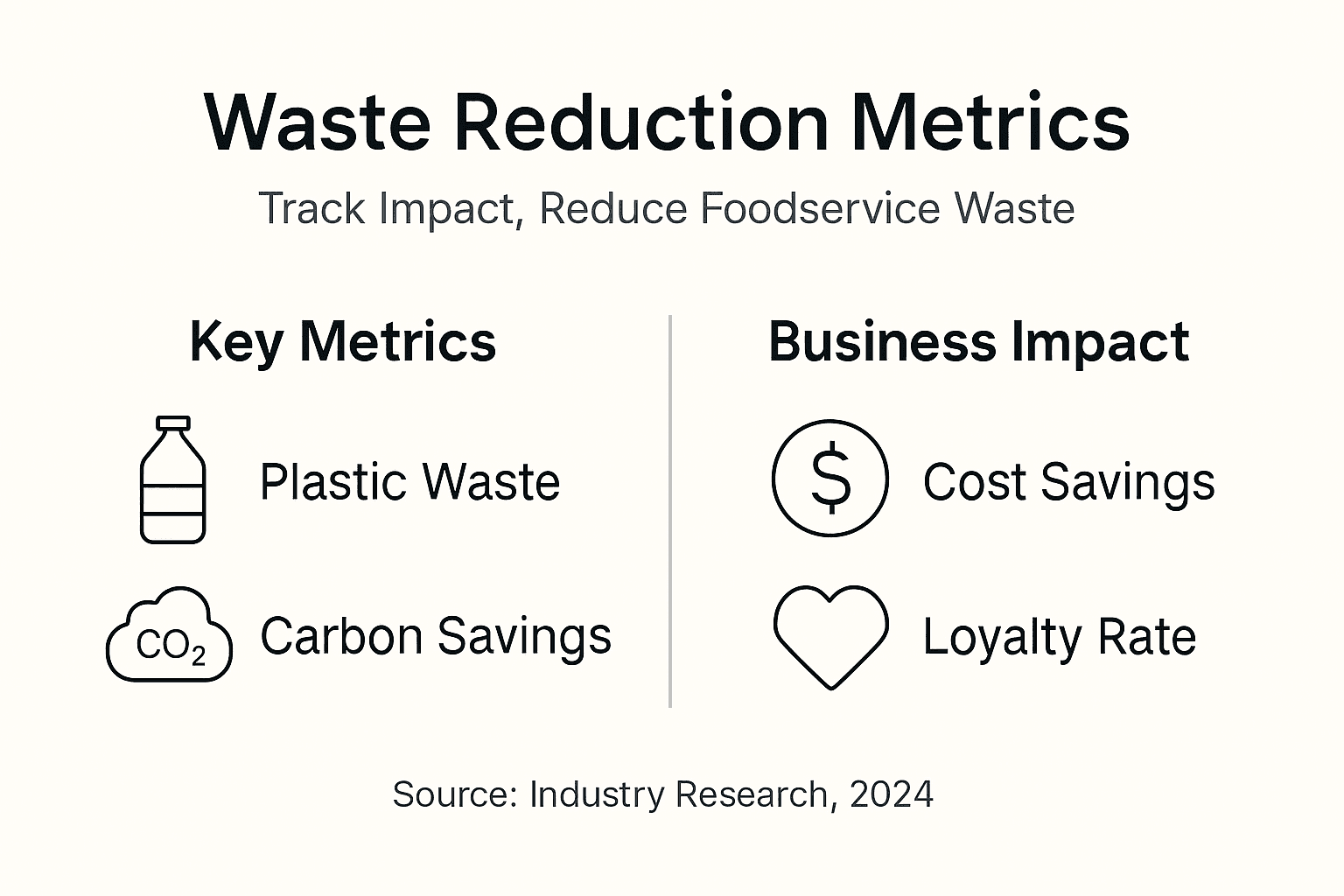
Plastic waste reduction stands as your primary indicator. Compare current disposal volume against your baseline measurement. Successful programs achieve the documented 80% reduction within 12 months of full implementation. Weigh or count items to maintain accuracy.
Carbon emissions decrease provides broader environmental context. Reusable packaging eliminates manufacturing and transportation impacts associated with continuous single-use production. Calculate your carbon savings using lifecycle assessment tools that account for production, shipping, and disposal.
Customer loyalty metrics reveal market reception of your sustainability initiative. Track repeat visit rates, customer satisfaction scores, and social media sentiment. The research-backed 20% loyalty increase among eco-conscious consumers represents significant competitive advantage.
Implementation studies show that reusable packaging systems in food and beverage businesses typically demonstrate measurable environmental impact improvements within 6 to 12 months of full adoption.
| Success Metric | Measurement Method | Target Outcome | Timeline |
|---|---|---|---|
| Plastic Waste Reduction | Weight or count of disposed items | 80% decrease | 12 months |
| Carbon Footprint | Lifecycle assessment calculation | 30% reduction | 12 months |
| Customer Loyalty | Repeat visit tracking | 20% increase | 6-9 months |
| Cost Savings | Total packaging expense analysis | Break-even achieved | 12-18 months |
| Landfill Diversion | Volume of waste redirected | 75% decrease | 12 months |
Landfill input reduction from biodegradable packaging demonstrates waste stream improvement. Even items that eventually decompose contribute less environmental harm than traditional plastics that persist for centuries.
Measuring what matters keeps sustainability grounded in reality rather than marketing claims. Hard data builds credibility with customers, investors, and regulatory bodies while guiding continuous improvement.
Document your metrics in regular reports that celebrate wins and acknowledge challenges. Transparency about both successes and setbacks builds trust and maintains momentum through inevitable rough patches.
Safety and Regulatory Considerations for Reusable Products
Sustainability initiatives must never compromise food safety or regulatory compliance. Understanding sanitation standards and health requirements ensures your reusable packaging program protects customers while advancing environmental goals.
Standardized cleaning protocols prevent contamination that could cause foodborne illness. Reusable items require thorough washing at temperatures that eliminate pathogens, proper drying to prevent bacterial growth, and sanitary storage between uses. Studies confirm that incorrect cleaning protocols for reusable items can increase health risks and offset sustainability benefits.
Relevant regulations vary by jurisdiction but typically address material safety, sanitation frequency, water temperature requirements, and approved sanitizing agents. Consult your local health department early in planning to ensure full compliance. Some regions offer guidance documents specifically for reusable foodservice items.
Balancing hygiene with sustainability goals requires investment in proper infrastructure. Commercial dishwashers with high-temperature sanitizing cycles, adequate drying capacity, and contamination-free storage areas form the foundation of safe reusable programs.
Potential health risks include:
- Cross-contamination between used and clean items
- Inadequate sanitizing temperatures or chemical concentrations
- Improper storage allowing microbial growth
- Damaged products harboring bacteria in cracks or crevices
- Allergen transfer from previous users
Mitigate these risks through rigorous staff training, regular equipment maintenance, routine microbiological testing, and immediate removal of damaged items from circulation.
Documentation and certification prove compliance during health inspections. Maintain logs of cleaning cycles, water temperatures, chemical concentrations, and staff training completion. Third-party certifications for your products demonstrate due diligence in supplier selection.
Food safety and sustainability are not competing priorities. Proper protocols allow you to achieve both simultaneously, protecting public health while advancing environmental stewardship.
Regular audits by management and periodic third-party assessments identify protocol gaps before they become problems. Build a culture where every team member understands their role in maintaining safety standards.
Aligning Sustainable Packaging Choices with Brand Image and Regulatory Compliance
Integrating eco-friendly packaging authentically into your brand positioning creates competitive advantages while meeting evolving regulatory requirements. Strategic alignment transforms sustainability from cost center into value driver.
Consumer preferences increasingly favor environmentally responsible businesses. Research shows that over 60% of consumers are more likely to choose brands using eco-friendly packaging. This preference translates directly into market share for businesses that communicate sustainability credibly.
Sustainability strengthens brand image by demonstrating values alignment with customer priorities. Today’s consumers, particularly younger demographics, scrutinize corporate environmental claims and reward authentic commitment with loyalty and advocacy.
Navigating packaging regulations requires staying current with local, state, and federal requirements. Many jurisdictions now restrict or ban certain single-use plastics, impose fees on disposable items, or mandate minimum recycled content. Proactive adoption of reusable systems positions you ahead of regulatory curves.
Key compliance considerations include:
- Material restrictions and approved substances for food contact
- Labeling requirements for biodegradable and compostable claims
- Waste reduction targets and reporting obligations
- Extended producer responsibility programs
- Tax incentives or credits for sustainable practices
Communicating sustainability efforts credibly means avoiding greenwashing while celebrating genuine achievements. Share specific metrics like waste reduction percentages, provide transparency about ongoing challenges, and acknowledge that sustainability is a journey rather than a destination.
Supporting circular economy principles positions your brand as an industry leader. Circular systems keep materials in use, eliminate waste, and regenerate natural systems. Your reusable packaging program contributes to this larger economic transformation.
Waste reduction goals extend beyond packaging to encompass entire operations. Integrate food waste prevention, energy efficiency, and water conservation into comprehensive sustainability strategies that compound environmental benefits.
Authentic sustainability communication builds customer trust that translates into business results. Share your story through social media, website content, in-store signage, and community engagement. Let customers see the real people and processes behind your environmental commitment.
Explore Premium Reusable Packaging Solutions at The Ocean Straw
Ready to transform your sustainability intentions into measurable results? The Ocean Straw specializes in premium reusable straws, containers, and cutlery crafted from innovative wood and plant-based materials that deliver exceptional durability without environmental compromise.
Our products meet rigorous food safety standards while providing the performance foodservice professionals demand. Compare options through our reusable vs single-use straws expert comparison to find solutions matching your operational needs. We offer wholesale reusable packaging options designed specifically for food and beverage businesses pursuing meaningful ecological footprint reduction. Let us help you join the growing community of hospitality leaders choosing sustainability without sacrifice.
Frequently Asked Questions
What cleaning methods work best for reusable foodservice items?
Commercial dishwashers with high-temperature sanitizing cycles provide the most reliable cleaning. Water should reach at least 180°F during the final rinse, with approved sanitizing agents at proper concentrations. Hand washing can work for smaller operations if you maintain consistent temperatures and sanitizer strength, but automation ensures better compliance and efficiency.
How long before reusable packaging investment pays for itself?
Most foodservice operations reach break-even within 12 to 18 months depending on volume and single-use packaging costs previously incurred. Calculate your specific timeline by comparing your current monthly disposable packaging expenses against the total investment in reusable products plus ongoing cleaning costs. The environmental benefits and customer loyalty gains begin immediately, even before financial payback.
What regulatory documentation do I need for reusable packaging programs?
Maintain cleaning logs documenting water temperatures, sanitizer concentrations, and cycle completion. Keep product certifications proving food-safe materials and compliance with relevant standards. Staff training records demonstrate that your team understands proper protocols. Some jurisdictions require specific permits or plan approvals before implementing reusable systems, so consult your health department early.
How can I overcome staff resistance to new sustainability protocols?
Involve staff in planning decisions so they feel ownership rather than obligation. Provide thorough training that builds confidence in new procedures. Recognize and reward early adopters who demonstrate enthusiasm. Share customer feedback showing appreciation for sustainability efforts. Address concerns with empathy while maintaining clear expectations that environmental stewardship is a core operational value.
What strategies help communicate sustainability initiatives to customers effectively?
Use simple, jargon-free language that explains benefits clearly. Create visible signage at decision points where customers interact with reusable products. Train staff to answer common questions enthusiastically. Share specific impact metrics like pounds of plastic diverted from landfills. Tell stories about your sustainability journey, including challenges overcome. Invite customer participation by framing reusable packaging as a partnership rather than a mandate.
Recommended
- How to Reduce Rubbish Naturally for Food Service Success – The Ocean Straw
- How to Reduce Reuse and Recycle for Foodservice Success – The Ocean Straw
- 7 Smart Food Waste Reduction Ideas for Restaurants and Cafes – The Ocean Straw
- Essential Food Waste Tips for Hospitality Success – The Ocean Straw
- 7 sprawdzonych rozwiązań: lista funkcjonalnych rozwiązań w kuchni - Emmi Kuchnie - meble kuchenne na wymiar, szafy komandor, kuchnie bydgoszcz, meble na wymiar bydgoszcz, stolarz bydgoszcz