
7 Best Boba Straws for Sustainable Businesses to Choose

More than eight million plastic straws are discarded daily in america, fueling growing demand for eco-friendly alternatives in boba shops. Every american business choosing a sustainable boba straw sends a clear message about responsibility and innovation. The right straw material, diameter, and durability help brands deliver a memorable customer experience while meeting tough safety standards and supporting a greener future.
Table of Contents
- 1. Understand Boba Straw Materials For Sustainability
- 2. Choose The Right Diameter For Tapioca Pearls
- 3. Assess Straw Durability And Reusability
- 4. Check Certifications And Safety Standards
- 5. Consider Bulk And Wholesale Options
- 6. Evaluate Customer Experience And Feedback
- 7. Align With Your Brand’s Eco-Initiatives
Quick Summary
| Key Message | Explanation |
|---|---|
| 1. Prioritize Sustainable Materials | Selecting biodegradable and renewable straw materials is essential for reducing environmental impact and enhancing brand perception. |
| 2. Choose Correct Straw Diameter | The right straw diameter is crucial for ensuring smooth passage of tapioca pearls without compromising drink enjoyment. |
| 3. Assess Durability and Reusability | Investing in durable, reusable straws reduces waste and offers long-term cost savings, reflecting commitment to sustainability. |
| 4. Verify Certifications and Safety Standards | Ensuring compliance with health and environmental certifications protects customer safety and enhances brand trust. |
| 5. Align Straw Choices with Brand Values | Selecting straws that align with eco-initiatives strengthens brand messaging and demonstrates genuine commitment to sustainability. |
1. Understand Boba Straw Materials for Sustainability
Selecting the right materials for boba straws is a strategic decision that goes far beyond aesthetic appeal. Sustainable businesses now recognize that straw material selection directly impacts environmental footprint and brand perception.
The journey toward sustainable boba straws begins with understanding material composition. Traditional plastic straws create significant waste, with millions discarded daily. Modern alternatives like biodegradable plant based options offer a responsible solution. Understanding what are plant based straws made of provides critical insights into eco friendly alternatives.
Key Material Considerations:
- Biodegradability potential
- Carbon footprint during production
- Durability and performance with boba drink temperatures
- Renewable source materials
Successful sustainable straw selection involves evaluating materials that balance environmental responsibility with practical functionality. Wood fiber, wheat straw, and bamboo derivatives emerge as promising options. These materials decompose naturally and require significantly less energy to produce compared to traditional petroleum based plastics.
When assessing straw materials, businesses should consider not just environmental impact but also customer experience. The right sustainable straw maintains drink temperature, provides comfortable sipping, and aligns with brand values of environmental stewardship.
Beyond material selection, understanding the broader context matters. Understanding the environmental impact of straws helps businesses make more informed decisions about their sustainability strategies.
2. Choose the Right Diameter for Tapioca Pearls
Selecting the perfect straw diameter is a critical yet often overlooked aspect of crafting an exceptional boba drinking experience. The right straw width determines whether your customers can smoothly enjoy those delightful tapioca pearls without frustration.
Standard Boba Straw Diameter Guidelines:
- Classic tapioca pearls: 12 millimeter diameter
- Smaller quick cooking pearls: 9 millimeter diameter
- Miniature pearls: 7 millimeter diameter
Commercial boba establishments must consider multiple factors when choosing straw dimensions. A straw that is too narrow prevents pearls from passing through smoothly, while an overly wide straw can compromise drink structural integrity and aesthetic appeal.
Practical considerations extend beyond simple measurements. The straw material interacts with diameter performance sturdiness matters. Sustainable straws made from plant based materials must maintain structural integrity while accommodating different pearl sizes.
Key Performance Factors:
- Consistent pearl passage
- Minimal drink disruption
- Customer drinking comfort
- Material strength and flexibility
Professional boba businesses recognize that straw diameter is not just a technical specification but a critical component of customer experience. A well designed straw transforms a simple drink into a memorable moment.
Understanding biodegradable wheat straw for sustainable choices can provide additional insights into selecting materials that complement your straw diameter strategy. The goal is creating a seamless drinking experience that delights customers while maintaining environmental responsibility.
3. Assess Straw Durability and Reusability
Durability and reusability are crucial factors that transform sustainable straws from simple drinking accessories into strategic business investments. Smart businesses understand that the right straw can significantly reduce waste while maintaining exceptional customer experience.
As hakumori stainless steel reusable boba straw demonstrates, material choice dramatically impacts a straw’s performance across different beverage temperatures and usage scenarios. Stainless steel emerges as a premier option for businesses seeking long lasting sustainable solutions.
Key Durability Assessment Criteria:
- Material strength
- Temperature resistance
- Cleaning and maintenance requirements
- Number of potential reuse cycles
- Resistance to structural degradation
Reusable straws represent more than an environmental statement. They are a direct reflection of your brand commitment to quality and sustainability. Businesses should evaluate straws based on their ability to withstand repeated cleaning, maintain structural integrity, and provide consistent drinking performance.
Performance Metrics for Sustainable Straws:
- Minimum 500 use cycles
- Compatibility with commercial sanitization methods
- Resistance to corrosion and material breakdown
- Seamless customer experience
Beyond environmental benefits, durable straws translate to significant cost savings. By investing in high quality reusable options, businesses reduce replacement frequency and demonstrate responsible resource management.
Problems with paper straws guide provides additional context on why material selection matters more than ever in sustainable straw solutions.
4. Check Certifications and Safety Standards
Certifications and safety standards are your first line of defense in ensuring sustainable boba straws meet both environmental and health requirements. Businesses cannot compromise on quality or consumer safety when selecting drinking accessories.
Food safety regulations vary globally, making comprehensive certification checks critical for responsible procurement. Cups Direct demonstrates this principle with paper boba straws that specifically meet EU and UK food packaging regulations, providing a benchmark for international compliance.
Essential Certification Categories:
- Food grade material verification
- International safety standards compliance
- Chemical safety testing
- Environmental impact documentation
- Manufacturing process transparency
Professional buyers should look beyond surface level marketing claims. As Bossen Store exemplifies with food grade polypropylene straws, material composition matters significantly. Non toxic materials like polypropylene offer reliable safety profiles while supporting sustainable business practices.
Recommended Verification Steps:
- Request detailed material safety data sheets
- Verify international food safety certifications
- Confirm third party testing documentation
- Check manufacturing facility compliance standards
- Evaluate packaging hygiene protocols
Safety certifications represent more than bureaucratic checkboxes. They are tangible proof of a manufacturer commitment to consumer health and environmental responsibility. Smart businesses recognize that rigorous standards protect both customer wellness and brand reputation.
By prioritizing comprehensive certification review, you transform straw selection from a simple procurement task into a strategic sustainability initiative. Your choices directly impact consumer trust and environmental impact.
5. Consider Bulk and Wholesale Options
Sustainable boba straw procurement is not just about selecting the right product but understanding how strategic bulk purchasing can transform your business economics and environmental impact. Wholesale options offer multiple advantages beyond simple cost savings.
The Straw Brothers exemplifies the potential of bulk purchasing with their 1,000 pack of 12 mm boba tea straws designed specifically for bubble tea shops, juice bars, and smoothie cafes. These comprehensive packages represent more than a transaction they are a sustainability strategy.
Bulk Purchasing Advantages:
- Reduced per unit packaging waste
- Significant cost efficiency
- Consistent product quality
- Streamlined inventory management
- Lower carbon footprint from reduced shipping
Wholesale selections require careful evaluation. Bossen Store offers an instructive example with their case of 2,250 individually wrapped straws suitable for various thick beverage applications. This approach balances hygiene concerns with bulk procurement benefits.
Strategic Wholesale Considerations:
- Minimum order quantity requirements
- Customization options
- Shipping and storage logistics
- Material consistency
- Long term supplier reliability
Professional buyers recognize that bulk wholesale is not merely about volume but about creating a sustainable supply chain. By selecting providers who offer comprehensive solutions combining quantity with quality, businesses can simultaneously reduce costs and environmental impact.
Your wholesale strategy should align with your brand values transforming procurement from a transactional process into a meaningful sustainability initiative. Smart choices today create responsible business models for tomorrow.
6. Evaluate Customer Experience and Feedback
Customer experience represents the ultimate litmus test for any sustainable boba straw strategy. What looks perfect on paper must translate into real world drinking satisfaction that keeps customers coming back.
Kime Eco Pak emphasizes the critical importance of selecting straws that prevent issues like clogging and discomfort. Businesses cannot afford to overlook the seemingly small details that dramatically impact customer perception.
Key Customer Experience Metrics:
- Straw comfort during drinking
- Ease of pearl passage
- Temperature resilience
- Aesthetic appeal
- Overall drinking enjoyment
Good Start Packaging highlights that factors such as diameter, length, and material directly influence customer satisfaction. Professional businesses recognize that straw selection is a nuanced art balancing technical specifications with sensory experience.
Feedback Collection Strategies:
- Implement quick post purchase surveys
- Monitor social media comments
- Train staff to gather verbal feedback
- Create easy digital feedback channels
- Incentivize customer input
Successful sustainable straw strategies go beyond environmental credentials. They create memorable drinking experiences that align comfort, functionality, and ecological responsibility. Your straw becomes more than an accessory it becomes a statement about your brand commitment to quality and sustainability.
Consider each straw an ambassador for your brand values. The right choice can transform a simple drink into a powerful customer connection.
7. Align with Your Brand’s Eco-Initiatives
Your choice of boba straw is more than a procurement decision it is a powerful statement about your brand commitment to sustainability. Strategic businesses recognize that every accessory represents an opportunity to communicate environmental values.
Brand Alignment Strategies:
- Consistent sustainability messaging
- Transparent material sourcing
- Visible environmental commitments
- Customer education initiatives
- Measurable ecological impact
Successful eco initiatives transform seemingly minor choices into meaningful brand narratives. By selecting sustainable boba straws that genuinely reflect your environmental principles, you create a compelling story that resonates with conscious consumers.
Sustainability Communication Techniques:
- Include straw origin information on menus
- Highlight ecological benefits to customers
- Share your reduction in plastic waste
- Create visual markers of your green commitment
- Integrate sustainability into overall brand experience
How to Market Eco Friendly Products for HoreCa Success provides additional insights into effectively communicating your environmental commitment.
Beyond marketing, authentic sustainability requires deep integration. Your boba straw selection becomes a tangible demonstration of corporate responsibility creating trust and differentiation in a competitive marketplace. Smart businesses understand that true sustainability is not a marketing tactic but a fundamental operational philosophy.
Below is a comprehensive table summarizing the strategies and considerations for choosing sustainable boba straws discussed throughout the article.
| Topic | Description | Key Considerations |
|---|---|---|
| Material Selection | The choice of straw materials affects environmental impact and brand image. Options include biodegradable plant-based materials. | Biodegradability, carbon footprint, temperature compatibility, and source renewability. |
| Straw Diameter | Determines the drinking experience for boba with different pearl sizes. | Pearl compatibility, drink structure, and comfort. |
| Durability & Reusability | Durable straws can reduce waste and save costs over time by withstanding multiple uses. | Material strength, temperature resistance, and cleaning ease. |
| Certifications & Safety | Ensures compliance with international food safety standards and environmental impact. | Food-grade verification, safety testing, and facility compliance. |
| Bulk & Wholesale | Purchasing straws in bulk reduces costs and environmental impact. | Minimum orders, customization, and supplier reliability. |
| Customer Experience | Key to ensuring satisfaction with straw performance in use. | Comfort, ease of use, and overall enjoyment. |
| Brand Alignment | Aligns straw choices with environmental values and customer education. | Consistent messaging, transparency, and sustainability integration. |
Elevate Your Sustainable Business with the Perfect Boba Straw Solution
Choosing the right sustainable boba straw can feel overwhelming with all the factors like material durability, straw diameter, customer experience, and certifications to consider. You want a solution that not only matches your eco-friendly goals but also delights customers with consistent, high-quality performance. The key challenges include balancing biodegradability with strength, selecting the correct straw size for tapioca pearls, and ensuring your brand’s commitment to sustainability shines through every sip.
Discover how The Ocean Straws can transform your boba business by offering innovative wood and plant-based materials that balance durability and earth-friendly design. Our products focus on delivering exceptional customer satisfaction while supporting your brand’s environmental initiatives. Whether you’re looking to buy wholesale or explore our specialized Growth Pack designed for commercial needs, we make it easy to integrate reusable, safe, and certified straws into your service.
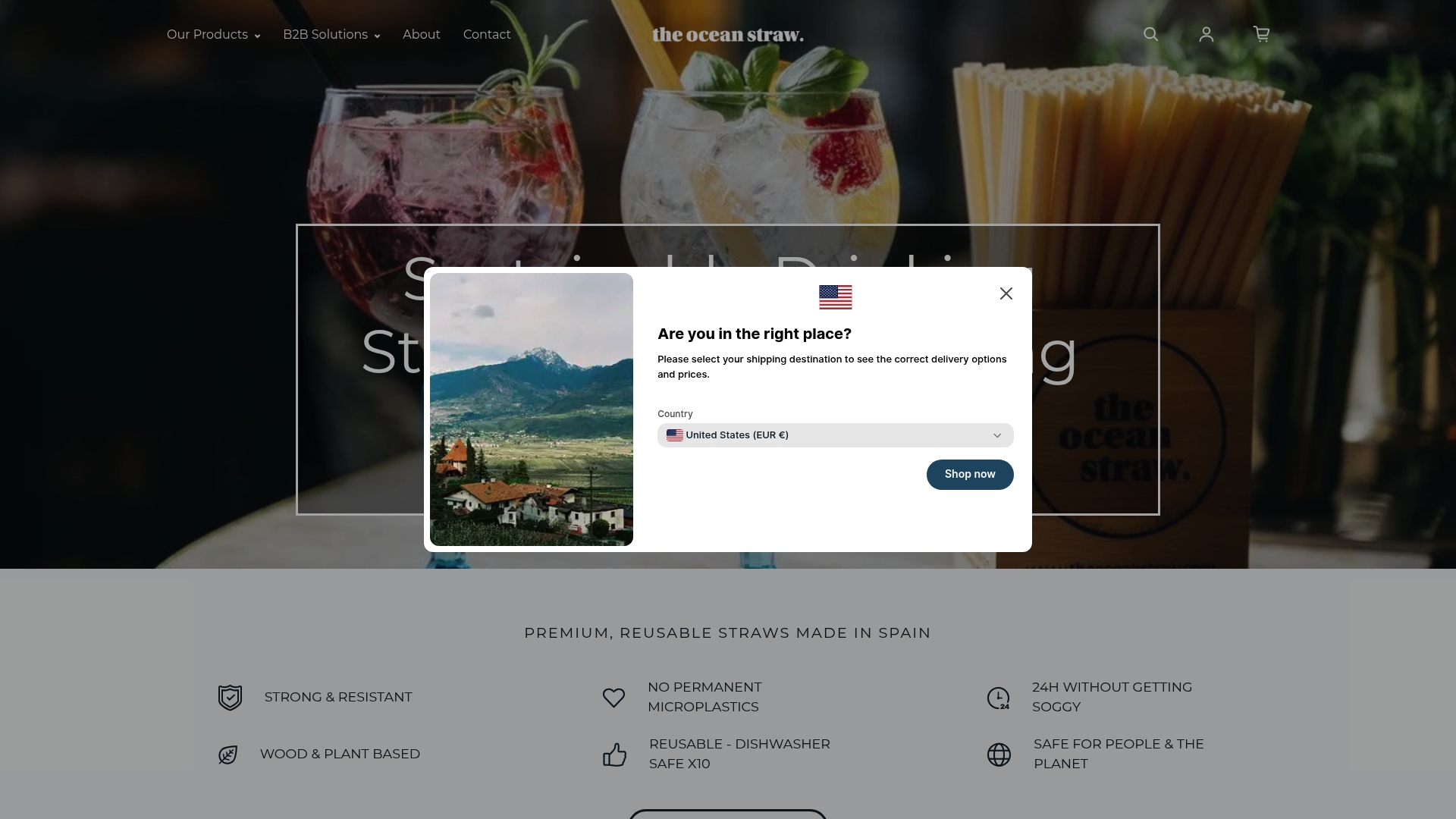
Take the next step now—visit theoceanstraw.com to explore our wide range of sustainable options and strengthen your eco-initiatives with straws that make a real difference. Your customers and the planet will thank you.
Frequently Asked Questions
What materials should I consider for sustainable boba straws?
Choosing sustainable boba straws involves evaluating materials like biodegradable plant-based options, wood fiber, and bamboo. Focus on materials that decompose naturally and have a low carbon footprint, while also ensuring they perform well with hot and cold drinks.
How do I select the right straw diameter for tapioca pearls?
To select the appropriate straw diameter, match it with the size of the tapioca pearls you offer: 12 mm for classic pearls, 9 mm for smaller quick-cooking types, and 7 mm for miniature pearls. Measure your pearls and choose a straw that allows for smooth passage to enhance customer satisfaction.
What factors should I assess regarding straw durability?
When evaluating straw durability, consider material strength, temperature resistance, and how well the straws can handle repeated use. Conduct a durability test to ensure they can withstand at least 500 cycles without compromising quality.
How can I ensure boba straws meet safety standards?
Ensure your boba straws comply with food safety regulations by checking for certifications that verify food-grade materials and environmental standards. Request material safety data sheets and confirm third-party testing before making any procurement decisions.
Why is customer feedback important for selecting boba straws?
Customer feedback is vital as it reveals how well the straws perform in terms of comfort and usability during drinking. Implement a feedback collection strategy, such as quick post-purchase surveys, to gauge satisfaction and continually improve the straw experience.
How can I align my boba straw choices with my brand’s sustainability goals?
To align boba straw choices with your sustainability goals, ensure your material selections reflect your brand’s environmental values and communicate these effectively to your customers. Create outreach initiatives that highlight your eco-friendly practices and the impact of your products to strengthen customer trust.