
Biodegradable Containers: Impact on Foodservice Sustainability

Finding sustainable packaging that balances food safety and environmental impact can feel overwhelming for American restaurant and cafe owners committed to reducing single-use plastics. Biodegradable disposable containers offer a promising alternative by decomposing through natural microbial action, helping minimize waste and pollution. This guide breaks down the key concepts of biodegradable materials, their performance, certification requirements, and operational benefits to help you make informed decisions about integrating eco-friendly options into your business.
Table of Contents
- Biodegradable Disposable Containers Defined
- Common Materials And Their Performance
- Certifications, Standards, And Regulations
- Operational Benefits For Restaurants And Cafes
- Risks, Costs, And Alternative Solutions
Key Takeaways
| Point | Details |
|---|---|
| Biodegradable Container Types | Biodegradable containers include biobased, biodegradable, and compostable varieties, each designed to minimize environmental impact. |
| Material Performance | Common materials like Polylactic Acid and cellulose derivatives offer specific advantages, but careful evaluation against performance metrics is critical. |
| Operational Benefits | Implementing biodegradable containers can enhance brand reputation and operational efficiency while appealing to eco-conscious consumers. |
| Financial Considerations | Higher upfront costs and potential performance limitations must be weighed against long-term sustainability benefits and customer appeal. |
Biodegradable Disposable Containers Defined
Biodegradable disposable containers represent an innovative solution for reducing environmental waste in the foodservice industry. These specialized containers are designed to break down naturally through microbial processes, offering a sustainable alternative to traditional single-use plastics. Standardized definitions from international organizations help distinguish between different types of biodegradable materials.
These containers typically fall into three primary categories:
- Biobased containers: Made from renewable biological sources like plant materials
- Biodegradable containers: Capable of decomposing through natural microbial processes
- Compostable containers: Break down completely under specific environmental conditions
The key characteristic of biodegradable disposable containers is their ability to decompose without leaving harmful residues. Unlike traditional plastics that persist in the environment for hundreds of years, these containers can transform into natural elements within weeks or months. The decomposition process depends on specific environmental conditions, including temperature, humidity, and the presence of microorganisms.
Material composition plays a crucial role in determining a container’s biodegradability. Most are crafted from organic materials like:
- Corn starch
- Sugarcane fibers
- Bamboo pulp
- Agricultural waste products
- Mushroom-based materials
Pro tip: When selecting biodegradable containers, always verify the specific composting conditions required for complete decomposition to ensure proper environmental disposal.
Common Materials and Their Performance
In the quest for sustainable foodservice solutions, material innovations have transformed biodegradable container design. Modern biodegradable containers leverage advanced organic materials that offer impressive performance characteristics while minimizing environmental impact.
The most prevalent biodegradable materials used in food packaging include:
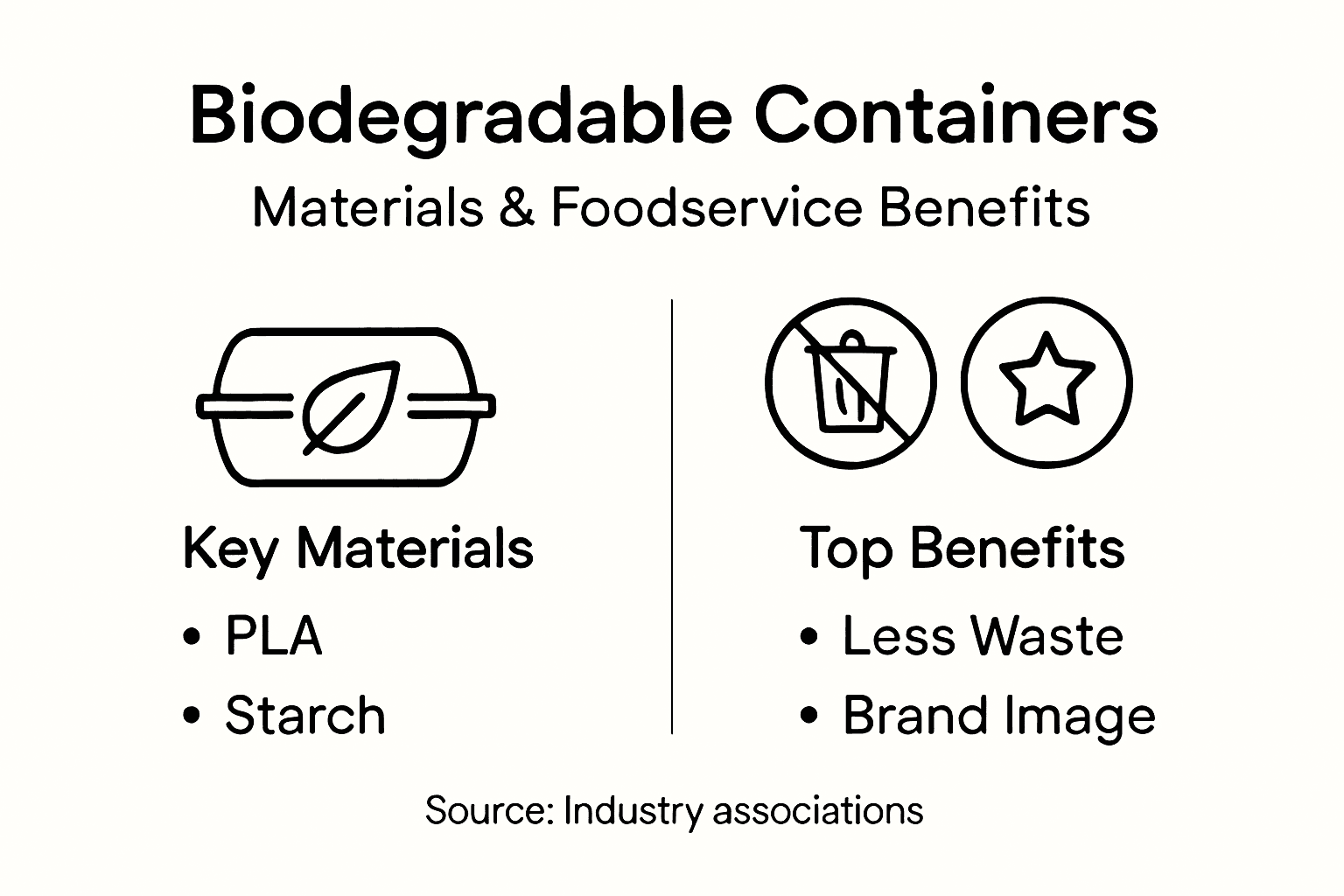
- Polylactic acid (PLA): Derived from renewable resources like corn starch
- Starch-based bioplastics: Flexible and cost-effective alternatives to traditional plastics
- Cellulose derivatives: Offering excellent moisture resistance and structural integrity
- Natural fiber composites: Reinforced materials with enhanced mechanical properties
Each material brings unique advantages to food container design. Polylactic acid, for instance, provides excellent clarity and can withstand moderate temperatures, making it ideal for cold and room-temperature food packaging. Starch-based bioplastics offer remarkable flexibility and can be engineered to meet specific performance requirements for different foodservice applications.
Performance metrics are critical when evaluating biodegradable materials. Key considerations include:
Here’s how common biodegradable container materials differ in foodservice applications:
| Material Type | Best Use Case | Key Strength | Notable Limitation |
|---|---|---|---|
| Polylactic Acid (PLA) | Cold food packaging | Clear appearance | Low heat tolerance |
| Starch-Based Bioplastic | Flexible food wraps | Adaptable flexibility | Can weaken when wet |
| Cellulose Derivative | Hot food containers | Superior moisture barrier | Higher cost |
| Natural Fiber Composite | Take-out boxes | Strong structural support | Heavier than alternatives |
- Mechanical strength
- Heat resistance
- Moisture barrier properties
- Compostability rate
- Food safety compliance
Emerging technologies like nanocomposites and specialized chemical treatments continue to enhance the functional capabilities of biodegradable food packaging materials.
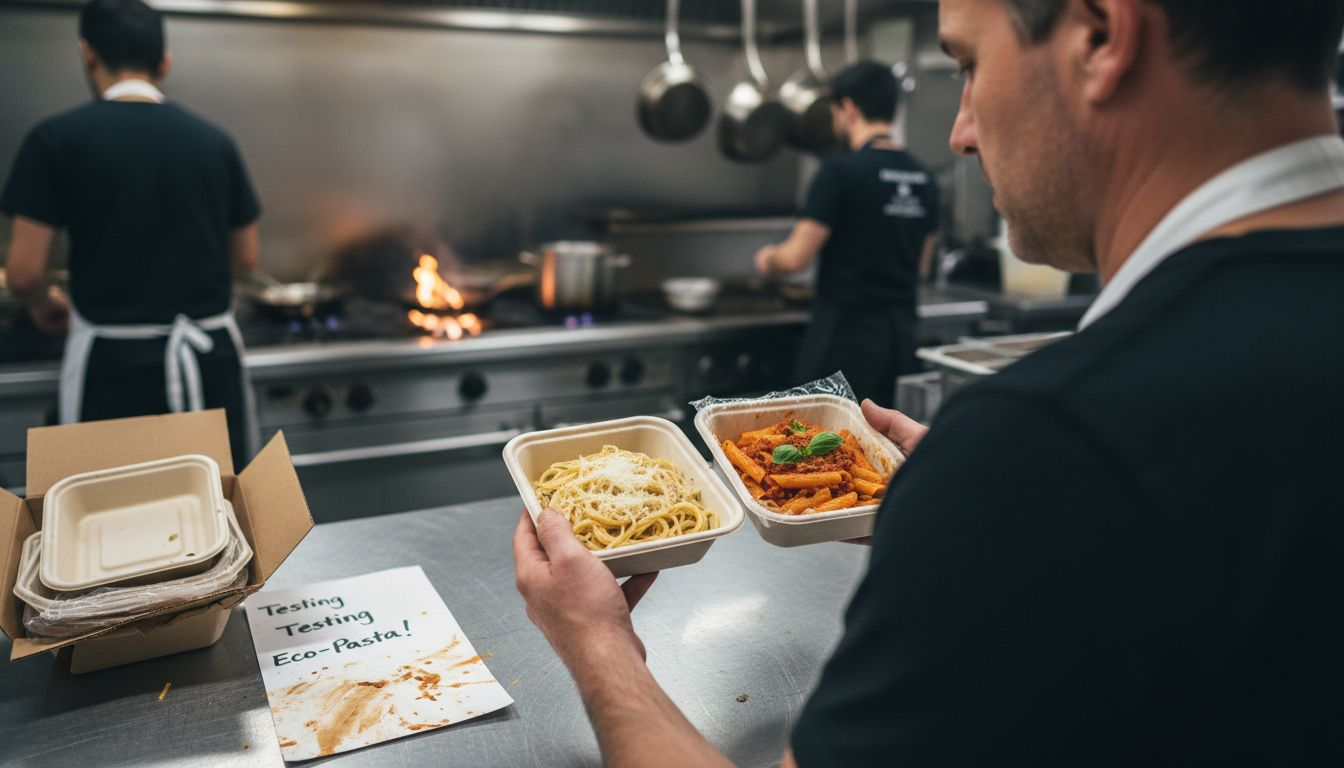
Pro tip: Always test biodegradable containers under your specific operational conditions to ensure they meet your restaurant’s unique performance and sustainability requirements.
Certifications, Standards, and Regulations
Navigating the complex landscape of biodegradable container regulations requires a comprehensive understanding of international and regional certification standards. Foodservice businesses must carefully evaluate compliance across multiple dimensions to ensure their sustainable packaging meets rigorous environmental and safety requirements.
Key certification categories for biodegradable containers include:
- Industrial compostability standards: Verifying complete decomposition under commercial composting conditions
- Food safety certifications: Ensuring material safety for direct food contact
- Environmental compliance marks: Demonstrating minimal ecological impact
- Material origin certifications: Validating renewable resource sourcing
The most prominent certification systems in North America and Europe establish stringent criteria for biodegradable containers. These frameworks assess multiple performance indicators such as decomposition speed, toxicity levels, and environmental footprint. Restaurants and food service providers must look for specific credentials that validate a container’s sustainability claims.
Regulatory compliance checklist for biodegradable containers typically involves:
- Verifying ASTM International standards
- Checking European EN 13432 compostability requirements
- Confirming FDA food contact material approvals
- Evaluating local waste management compatibility
- Assessing carbon footprint documentation
International standards continue evolving to address emerging sustainability challenges in packaging materials.
Pro tip: Request detailed certification documentation from suppliers and maintain a comprehensive record of your biodegradable container’s environmental credentials to demonstrate your commitment to sustainability.
Operational Benefits for Restaurants and Cafes
Restaurants and cafes increasingly recognize biodegradable containers as a strategic solution that extends far beyond environmental responsibility. Sustainability strategies are transforming hospitality operations by offering comprehensive advantages that impact brand perception, operational efficiency, and customer engagement.
The key operational benefits of adopting biodegradable containers include:
- Cost management: Potential long-term savings through reduced waste disposal expenses
- Brand reputation: Enhanced perception as an environmentally conscious business
- Customer attraction: Appeal to eco-aware consumer demographics
- Regulatory compliance: Proactive alignment with emerging environmental regulations
- Waste stream optimization: Simplified waste management processes
Biodegradable containers provide restaurants with a competitive edge by demonstrating commitment to sustainable practices. By replacing traditional single-use plastics, businesses can significantly reduce their carbon footprint while creating a compelling narrative about environmental stewardship. Modern consumers increasingly make dining choices based on a restaurant’s ecological responsibility, making sustainable packaging a powerful marketing tool.
Competitive advantages restaurants can gain through biodegradable containers include:
- Differentiation in a crowded marketplace
- Potential tax incentives for sustainable practices
- Reduced environmental compliance risks
- Improved waste management efficiency
- Positive brand storytelling opportunities
Sustainable packaging is no longer a trend, but a fundamental business strategy for forward-thinking foodservice establishments.
Pro tip: Gradually transition to biodegradable containers by piloting them in specific menu sections, allowing for smooth operational integration and customer feedback.
Risks, Costs, and Alternative Solutions
Restaurants considering biodegradable containers must carefully evaluate potential economic and safety challenges before full implementation. While sustainable packaging offers significant environmental benefits, several critical considerations can impact operational decisions.
Key financial and operational risks include:
- Higher initial procurement costs: Biodegradable containers typically cost 20-50% more than traditional plastics
- Performance limitations: Reduced mechanical strength and barrier properties
- Inconsistent biodegradation: Variability based on local waste management infrastructure
- Potential chemical migration: Safety concerns with bio-based materials
- Supply chain complexity: Limited manufacturing capacity
Economic viability remains a significant challenge for widespread biodegradable container adoption. Restaurants must strategically balance sustainability goals with financial constraints, carefully analyzing long-term cost implications and potential operational adaptations.
Compare costs, benefits, and risks associated with switching to biodegradable containers:
| Aspect | Traditional Plastic | Biodegradable Container | Strategic Consideration |
|---|---|---|---|
| Upfront Cost | Low | Higher | Budget for initial investment |
| Waste Impact | Long-lasting | Decomposes naturally | Reduces landfill and pollution |
| Customer Appeal | Neutral | Eco-friendly focus | Attracts sustainability-minded diners |
| Supply Dynamics | Readily available | Sometimes limited | Plan for supply chain variability |
Alternative solution strategies for managing these risks include:
- Phased implementation approaches
- Hybrid packaging solutions
- Collaborative supplier negotiations
- Government sustainability incentive programs
- Consumer education and engagement initiatives
Successful sustainable packaging transitions require comprehensive risk assessment and strategic planning.
Pro tip: Conduct a detailed cost-benefit analysis comparing traditional and biodegradable containers, factoring in potential marketing advantages and long-term environmental savings.
Elevate Your Foodservice Sustainability with Biodegradable Solutions
Facing challenges like balancing cost, performance, and true environmental impact is common for businesses transitioning to biodegradable disposable containers. You want materials that break down naturally, maintain food safety, and appeal to eco-conscious customers without compromising your operations. This article highlights the importance of choosing certified, high-performance biodegradable options and integrating them thoughtfully into your sustainability strategy.
Take your commitment further by complementing these container choices with our innovative reusable straws made from wood and plant-based materials. Our products deliver durability, biodegradability, and safety tailored for foodservice needs. Explore the The Ocean Straw Growth Pack designed for business scalability and operational ease, making sustainable upgrades simple and effective.
Ready to enhance your eco-initiatives today Let TheOceanStraw.com help you build a stronger sustainability profile with premium reusable straws crafted to impress your customers and protect the planet. Visit our site now and discover how easy it is to integrate these solutions seamlessly into your operations.
Frequently Asked Questions
What are biodegradable disposable containers?
Biodegradable disposable containers are designed to break down naturally through microbial processes, offering a sustainable alternative to traditional single-use plastics.
What materials are commonly used to make biodegradable containers?
Common materials include polylactic acid (PLA), starch-based bioplastics, cellulose derivatives, and natural fiber composites, which help achieve sustainability goals in food packaging.
How do I ensure that biodegradable containers decompose properly?
It’s important to verify the specific composting conditions required for each type of biodegradable container, such as temperature, humidity, and microorganism presence, to ensure proper decomposition.
What are the benefits of using biodegradable containers in foodservice?
Using biodegradable containers can lead to cost savings, enhance brand reputation, attract eco-conscious customers, and simplify waste management processes, all while supporting environmental sustainability.
Recommended
- Biodegradable Plastic – Impact on Eco-Friendly Dining – The Ocean Straw
- Eco-Friendly Food Packaging: What Works in 2026 – The Ocean Straw
- Plastic vs Biodegradable Plastic: What Foodservice Needs – The Ocean Straw
- Complete Guide to Eco Friendly Takeout Containers – The Ocean Straw
- Sustainable Ecommerce Packaging: Boosting Brand Impact