
Bioplastic Environmental Impact – What Businesses Need to Know

More than eight million tons of plastic waste enter the world’s oceans every year, fueling urgent action among American and European hospitality leaders. Hotels and restaurants are under growing pressure to swap out traditional plastics for sustainable alternatives, yet many decision makers face confusion about bioplastics and their actual impact. This guide breaks down the science, highlights essential myths, and arms sustainability managers and purchasing agents with practical insights for choosing the right eco-friendly materials.
Table of Contents
- Defining Bioplastics And Common Misconceptions
- Major Types Of Bioplastics And Their Properties
- The Life Cycle: Production To End-Of-Life
- Environmental Trade-Offs And Sustainability Challenges
- Comparing Bioplastics And Conventional Plastics
- Industrial Applications And Regulatory Influences
Key Takeaways
| Point | Details |
|---|---|
| Bioplastics Versus Traditional Plastics | Bioplastics are derived from renewable sources and can offer biodegradability, unlike conventional plastics, which are petroleum-based and persist in the environment for centuries. |
| Life Cycle Importance | A comprehensive life cycle assessment is essential for understanding the environmental impact of bioplastics from production to disposal. |
| Regulatory Influence | Emerging regulations are critical in shaping the bioplastics market, pushing for standards that promote sustainability and consumer safety. |
| Diverse Applications | Bioplastics have various industrial applications, including packaging and medical devices, necessitating consideration of performance and regulatory compliance. |
Defining Bioplastics and Common Misconceptions
Bioplastics represent an innovative category of materials designed to address traditional plastic’s environmental challenges. Unlike conventional petroleum-based plastics, bioplastics are derived from renewable biological sources like corn, sugarcane, or algae. Global definitions of bioplastics remain complex, creating ongoing discussions about their precise categorization and environmental implications.
The core complexity surrounding bioplastics stems from three primary characteristics: bio-based origin, biodegradability, and compostability. Contrary to popular misconceptions, these attributes are not interchangeable. A bio-based plastic might be produced from plant materials but not necessarily biodegradable, while some petroleum-based plastics can potentially biodegrade. European Bioplastics emphasizes that certified compostable bioplastics disintegrate within specific industrial conditions, typically breaking down completely within six months under controlled environments.
Businesses exploring bioplastic alternatives must understand critical distinctions. Bio-based plastics can be:
- Fully biodegradable
- Partially biodegradable
- Non-biodegradable
This variability means sustainability claims require careful verification. Advanced sorting technologies now help prevent bioplastic contamination in recycling streams, addressing previous concerns about waste management challenges.
Pro tip: When evaluating bioplastic options, request detailed certifications confirming biodegradability and compostability standards specific to your industry’s waste management infrastructure.
Major Types of Bioplastics and Their Properties
Bioplastics represent a diverse and complex family of materials categorized by their origin and performance characteristics. Comprehensive classifications reveal three primary bioplastic categories: bio-based durable plastics, bio-based biodegradable plastics, and fossil-based biodegradable plastics. Each category offers unique properties tailored to specific industrial and environmental requirements.
The first category, bio-based durable plastics like bio-polyethylene (bio-PE) and bio-polyethylene terephthalate (bio-PET), closely mimic traditional petroleum-based plastics. These materials provide familiar performance characteristics while reducing carbon footprint. In contrast, bio-based biodegradable plastics such as polylactic acid (PLA), polyhydroxyalkanoates (PHA), and starch-based blends introduce novel functionalities. Advanced biodegradable polymers offer nuanced environmental solutions, enabling more sustainable product design across multiple industries.
Key types of bioplastics include:
- PLA (Polylactic Acid): Derived from renewable resources like corn starch
- PHA (Polyhydroxyalkanoates): Produced through bacterial fermentation
- Bio-PE: Matching conventional polyethylene’s properties
- Starch Blends: Offering flexibility and partial biodegradability
Each bioplastic type presents unique mechanical properties, including flexibility, heat resistance, and printability. The selection depends on specific application requirements, waste management infrastructure, and sustainability goals.
Pro tip: Conduct comprehensive material testing to ensure the selected bioplastic meets your specific performance, durability, and environmental degradation requirements.
The Life Cycle: Production to End-of-Life
Bioplastics represent a complex journey from initial resource extraction to final disposal, with each stage presenting unique environmental considerations. Comprehensive life cycle analyses reveal critical sustainability challenges, emphasizing the importance of evaluating environmental impact across all production phases.
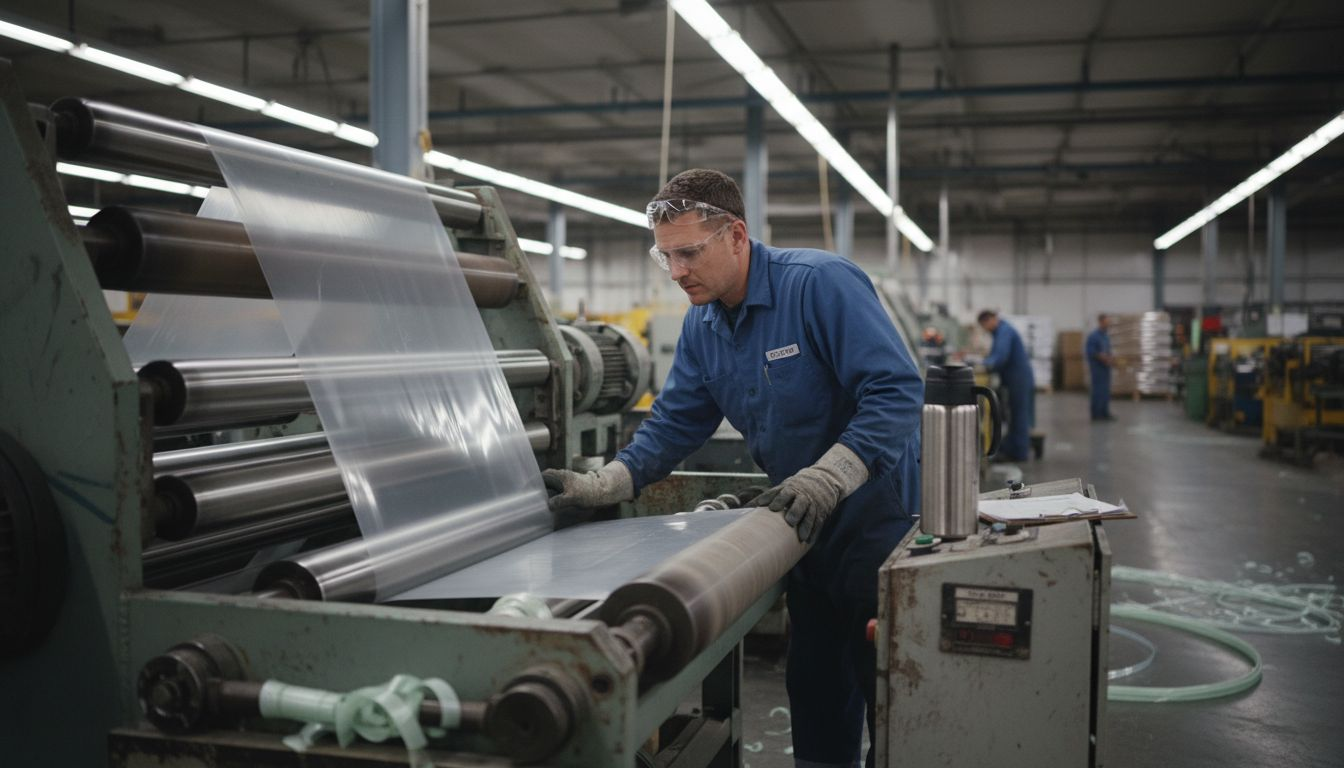
The production process begins with careful feedstock selection, which significantly influences the overall sustainability of bioplastic materials. Biomass sources such as corn, sugarcane, and agricultural waste must be evaluated for their land use, water consumption, and potential competition with food production. Advanced environmental assessments track bioplastics through multiple disposal pathways, including recycling, composting, and industrial processing.
Key stages in the bioplastic life cycle include:
- Feedstock Cultivation: Selecting sustainable biomass sources
- Material Processing: Converting biomass into polymer structures
- Manufacturing: Transforming raw materials into final products
- Use Phase: Deployment in various industrial applications
- End-of-Life Management: Recycling, composting, or alternative disposal
Each stage presents unique challenges, from minimizing carbon emissions during production to developing robust infrastructure for appropriate disposal. Businesses must consider not just the immediate environmental impact, but the long-term sustainability implications of their material choices.
Pro tip: Conduct a comprehensive life cycle assessment to identify and mitigate potential environmental trade-offs throughout your bioplastic product’s entire production and disposal journey.
Environmental Trade-Offs and Sustainability Challenges
Bioplastics present a complex landscape of environmental opportunities and significant challenges that businesses must carefully navigate. Comprehensive research reveals nuanced sustainability considerations, highlighting the delicate balance between innovative material solutions and potential ecological trade-offs.
The production of bioplastics introduces multifaceted environmental challenges, particularly during feedstock cultivation and processing stages. Agricultural practices for bioplastic production demand rigorous sustainability assessments, including evaluations of land use, water consumption, and potential impacts on food production ecosystems. Critical concerns include pesticide use, potential deforestation, and the energy-intensive nature of biomass conversion processes.
Key environmental trade-offs in bioplastic production include:
- Resource Intensity: High water and land requirements
- Energy Consumption: Significant carbon emissions during manufacturing
- Agricultural Impact: Potential competition with food crop production
- Waste Management: Challenges in recycling and proper disposal
- Economic Constraints: Higher production costs compared to traditional plastics
Businesses must adopt a holistic approach, considering not just immediate environmental benefits but the entire lifecycle ecological implications. Technological innovations, sustainable agricultural practices, and advanced processing methods are crucial for mitigating these complex challenges and realizing the full potential of bioplastic alternatives.
Pro tip: Develop a comprehensive sustainability framework that evaluates bioplastic materials across multiple environmental and economic dimensions, ensuring a truly responsible approach to material selection.
Comparing Bioplastics and Conventional Plastics
Navigating the complex landscape of plastic materials requires a nuanced understanding of bioplastics and their conventional counterparts. Comprehensive packaging research reveals critical comparative insights, highlighting significant differences in environmental performance, material properties, and sustainability potential.
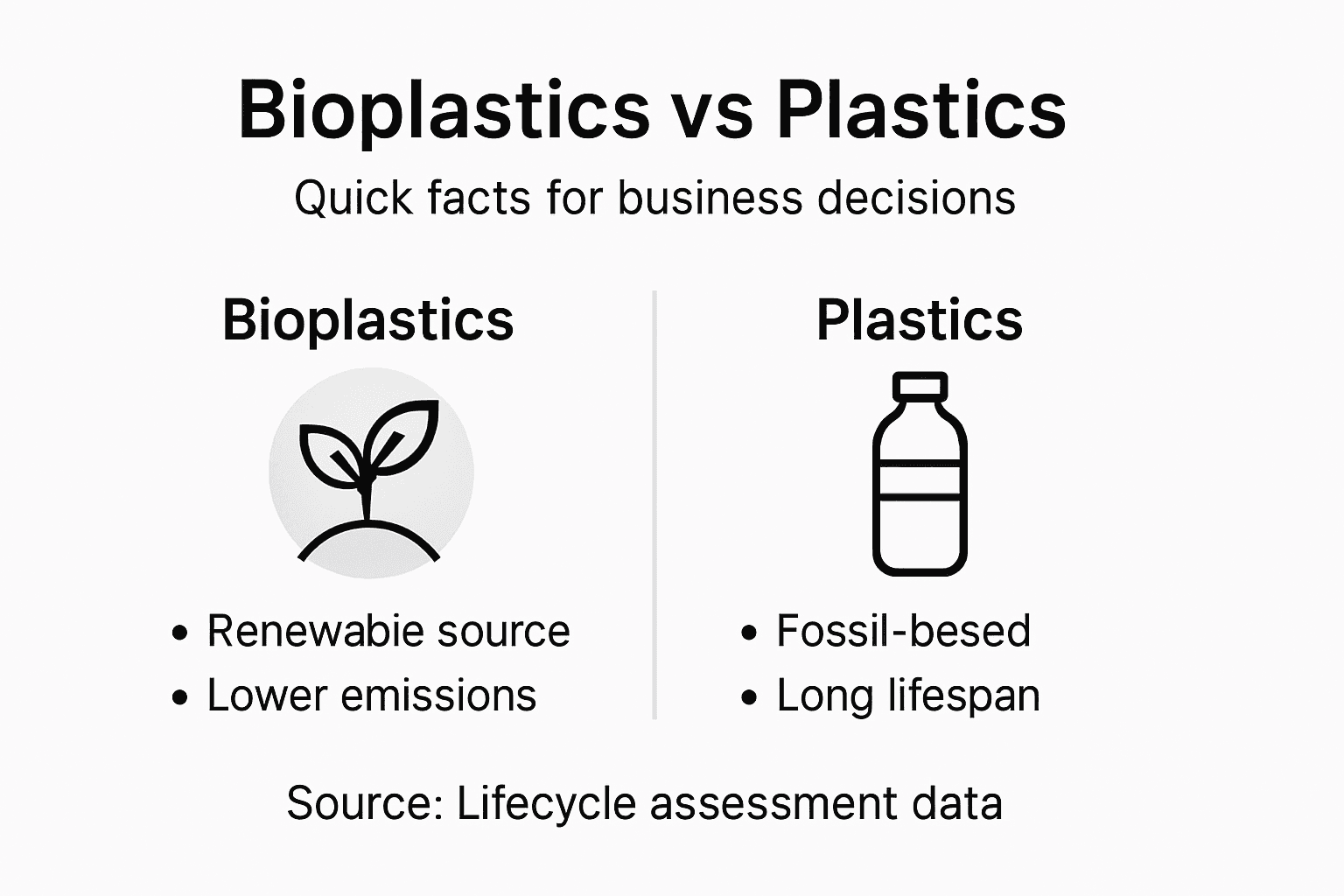
Traditional petroleum-based plastics and bioplastics diverge fundamentally in their origin, environmental persistence, and lifecycle characteristics. While conventional plastics derive from fossil fuels and can persist in ecosystems for hundreds of years, bioplastics offer potential alternatives with reduced environmental footprints. Conventional plastics typically demonstrate more consistent mechanical properties and lower production costs, whereas bioplastics provide opportunities for reduced carbon emissions and potential biodegradability.
Key comparative characteristics include:
- Origin: Fossil fuel vs. renewable biomass sources
- Degradation: Centuries-long persistence vs. potential biodegradability
- Carbon Footprint: High emissions vs. reduced greenhouse gas production
- Production Cost: Lower for conventional plastics
- Performance: Established reliability vs. emerging technological potential
Businesses must carefully evaluate these trade-offs, recognizing that bioplastics are not a universal solution but a developing technology with significant promise for sustainable material innovation. Material selection requires balancing environmental goals with practical performance requirements.
Pro tip: Conduct pilot testing with multiple bioplastic formulations to understand their specific performance characteristics and compatibility with your existing manufacturing processes.
Industrial Applications and Regulatory Influences
The bioplastics industry is experiencing transformative growth driven by complex regulatory landscapes and emerging technological innovations. Government regulations play a critical role in shaping bioplastic market development, establishing frameworks that incentivize sustainable material adoption and address environmental challenges.
Regulatory frameworks for biopolymers are evolving globally, with particular emphasis on standards that assess biodegradability, compostability, and safety. The European Green Deal represents a prime example, pushing toward a zero-waste economy by creating robust guidelines for bioplastic production, use, and disposal. These regulations aim to standardize material performance, ensure consumer safety, and stimulate technological innovation across multiple industrial sectors.
Key industrial applications for bioplastics include:
- Packaging: Food containers, bags, and protective wrappings
- Agriculture: Biodegradable mulch films and plant containers
- Medical Devices: Single-use medical equipment and implantable components
- Consumer Electronics: Protective casings and internal components
- Automotive: Interior trim pieces and non-structural components
Businesses must navigate these complex regulatory environments by staying informed about local and international standards, understanding certification requirements, and proactively adapting their material selection strategies to comply with emerging sustainability guidelines.
Pro tip: Develop a dedicated compliance team or consultant relationship to track evolving regulatory standards and ensure your bioplastic implementations remain at the forefront of environmental and safety requirements.
Discover Sustainable Alternatives to Combat Bioplastic Challenges
Businesses striving to reduce their environmental impact face complex decisions around bioplastics, from understanding biodegradability to evaluating lifecycle trade-offs. If you are looking to minimize waste without compromising on durability or safety, exploring truly sustainable alternatives is essential. TheOceanStraw.com offers an innovative range of reusable drinking straws made from wood and plant-based materials that combine biodegradability with long-lasting performance. These solutions address the environmental challenges highlighted in the article, helping companies avoid the pitfalls of inconsistent bioplastic certifications or uncertain waste management infrastructure.
Take action now to enhance your eco-initiatives by partnering with TheOceanStraw.com. Learn more about how our carefully designed products support sustainability goals while offering reliable, high-quality performance for the foodservice and hospitality sectors. Request samples, explore wholesale options, or connect with our team today to make an immediate impact on your carbon footprint and lead your industry towards a cleaner future.
Frequently Asked Questions
What are bioplastics and how do they differ from conventional plastics?
Bioplastics are materials derived from renewable biological sources, such as corn or sugarcane, in contrast to conventional plastics derived from fossil fuels. Bioplastics may offer reduced environmental footprints, but their properties and biodegradability can vary significantly.
Are all bioplastics biodegradable?
Not all bioplastics are biodegradable. While some bioplastics, like PLA and PHA, can biodegrade under specific conditions, others may be bio-based but not biodegradable. It’s essential to check certifications for biodegradability and compostability.
What are the key environmental impacts associated with bioplastic production?
The production of bioplastics can involve high water and land usage, energy-intensive processes that produce carbon emissions, and potential competition with food sources during feedstock cultivation. A comprehensive life cycle assessment can help identify these impacts.
How can businesses ensure their bioplastic products are sustainable?
Businesses should conduct rigorous sustainability assessments that include evaluating the sourcing of biomass, production processes, and end-of-life options. Engaging in advanced processing methods and adopting a circular economy model can also enhance sustainability efforts.
Recommended
- Understanding the Effects of Plastic on Environment – The Ocean Straw
- Environmental Impact of Plastic Packaging – Risks and Solutions – The Ocean Straw
- Effect of Single-Use Plastic on Our Environment – The Ocean Straw
- Eco Friendly Plastic: Impact on Foodservice Sustainability – The Ocean Straw
- Our Bags – House Coffee
- Τι είναι τα Βιολογικά Προϊόντα; | Μπακαλόκαρπος Παντοπωλείο