
Complete Guide to Eco-Friendly Material Options

More than 80 percent of global plastic waste ends up in landfills or the environment, highlighting why eco-friendly materials are no longer a luxury but a necessity. Businesses and individuals face increasing pressure to choose materials that do not harm the planet. Understanding what makes a material truly eco-friendly can help you make informed, responsible decisions that support both environmental health and future sustainability.
Table of Contents
- What Makes A Material Eco-Friendly
- Major Types Of Eco-Friendly Materials
- How Eco Materials Are Certified And Regulated
- Applications In Hospitality And Foodservice
- Environmental Impact And Cost Comparisons
Key Takeaways
| Point | Details |
|---|---|
| Eco-Friendly Material Characteristics | Sustainable materials must be sourced sustainably, display low carbon footprints, biodegradability, minimal toxic emissions, and energy efficiency throughout their lifecycle. |
| Types of Innovative Eco-Friendly Materials | Biocomposites, mycelium-based materials, recycled polymers, and plant-based plastics represent key advancements in sustainable materials across various industries. |
| Importance of Certification | Comprehensive certification mechanisms validate the sustainability of materials, focusing on environmental impact, ethical production practices, and lifecycle analysis. |
| Impact on Hospitality and Foodservice | Eco-friendly materials are revolutionizing the hospitality sector by enabling sustainable disposable products, kitchen tools, and decor, promoting a commitment to environmental responsibility. |
What Makes a Material Eco-Friendly
Defining an eco-friendly material requires evaluating multiple critical environmental factors that extend far beyond simple marketing claims. According to research from MDPI, truly sustainable materials must demonstrate comprehensive environmental responsibility throughout their entire lifecycle.
The key characteristics of eco-friendly materials include several fundamental attributes:
- Renewable Resource Sourcing: Materials derived from naturally replenishing sources like plant-based fibers or recycled components
- Low Carbon Footprint: Minimal greenhouse gas emissions during production and processing
- Biodegradability: Ability to decompose naturally without leaving harmful residues
- Minimal Toxic Emissions: Reduced chemical pollutants during manufacturing and lifecycle
- Energy Efficiency: Lower energy consumption in production compared to traditional materials
As explored in sustainable materials research by MDPI, the transition toward eco-friendly materials represents more than a trend—it’s a critical environmental strategy. These materials significantly reduce reliance on non-renewable resources and minimize ecological disruption. By prioritizing natural fibers, sustainable polymers, and innovative production techniques, manufacturers can dramatically decrease their environmental impact.
For businesses in food service and hospitality, understanding these material characteristics becomes paramount. Sustainable procurement isn’t just about selecting a product, but comprehensively evaluating its entire environmental narrative. This means considering not just the end product, but its origins, manufacturing process, potential for reuse or recycling, and ultimate environmental legacy.
 Learn more about sustainable procurement principles to make informed material selections that align with environmental responsibility.
Major Types of Eco-Friendly Materials
Eco-friendly materials represent a diverse and innovative landscape of sustainable solutions across multiple industries. Wikipedia highlights the remarkable potential of biocomposites, which blend natural fibers like flax, hemp, and bamboo with advanced resins to create versatile, environmentally responsible materials.
Key types of eco-friendly materials include:
- Biocomposites: Natural fiber-reinforced materials used in automotive and construction industries
- Mycelium-Based Materials: Fungal-derived substances transforming packaging and design
- Recycled Polymers: Reprocessed plastic materials reducing waste
- Plant-Based Plastics: Biodegradable alternatives derived from renewable sources
- Reclaimed Wood and Agricultural Waste: Repurposed materials with minimal environmental impact
Fascinating innovations are emerging in alternative material development, particularly with mycelium-based materials. According to Wikipedia, these fungal-growth materials offer groundbreaking sustainable alternatives in packaging, construction, and design, demonstrating exceptional biodegradability and potential to replace traditional synthetic materials.
For businesses in food service and hospitality seeking sustainable procurement strategies, understanding these material types becomes crucial. Learn more about eco-friendly restaurant supplies to discover how innovative materials can transform your environmental approach while maintaining high-quality standards.
How Eco Materials Are Certified and Regulated
Certification and regulation of eco-friendly materials represent complex, multilayered processes designed to ensure genuine environmental responsibility. Wikipedia reveals that comprehensive certification systems like Global Organic Textile Standard (GOTS) and OEKO-TEX have emerged to validate materials’ sustainability credentials across multiple dimensions.
Key certification mechanisms include:
- Environmental Impact Assessment: Evaluating total carbon footprint and resource consumption
- Social Responsibility Verification: Ensuring ethical production practices
- Chemical Safety Testing: Screening for harmful substances and toxins
- Lifecycle Analysis: Tracking material performance from production to disposal
- Traceability Requirements: Documenting material origin and transformation processes
In the realm of innovative design and material development, Wikipedia highlights how regulatory frameworks are increasingly guiding the creation of eco-friendly materials. These standards not only assess environmental performance but also encourage continuous innovation in sustainable design across architecture, product development, and manufacturing sectors.
For businesses committed to sustainable procurement, understanding these certification mechanisms is crucial. Learn more about what makes environmentally friendly products truly sustainable to make informed decisions that align with genuine environmental stewardship.
Applications in Hospitality and Foodservice
The hospitality and foodservice industries are at the forefront of sustainable material innovation, transforming traditional practices through eco-friendly solutions. ArXiv highlights groundbreaking developments in plant-protein-based biodegradable materials that are revolutionizing packaging, utensils, and single-use products across food-related sectors.
Key application areas for eco-friendly materials include:
- Disposable Serviceware: Biodegradable plates, cutlery, and packaging
- Kitchen Equipment: Sustainable cooking tools and utensils
- Uniform and Textile Applications: Environmentally responsible staff clothing
- Interior Furnishings: Sustainable materials for hotel and restaurant decor
- Food Packaging: Innovative biodegradable containers and wrapping
According to Wikipedia, green textiles are making significant inroads in hospitality settings, particularly in staff uniforms and interior design. These materials not only reduce environmental impact but also communicate a strong commitment to sustainability to guests and customers.
For businesses looking to integrate sustainable practices, understanding these material applications is crucial. Learn more about eco-friendly hotel amenities to discover how innovative materials can transform your hospitality approach while maintaining exceptional quality and guest experience.
Environmental Impact and Cost Comparisons
Analyzing the environmental and economic implications of eco-friendly materials reveals a nuanced landscape of sustainability and innovation. ArXiv provides critical insights into bioplastics and their transformative potential, demonstrating that sustainable materials can offer compelling alternatives to traditional petroleum-based products.
Key comparative factors include:
- Carbon Footprint: Significant reduction in greenhouse gas emissions
- Production Energy: Lower energy consumption compared to conventional materials
- Waste Management: Dramatically reduced long-term environmental impact
- Lifecycle Durability: Comparable or enhanced performance characteristics
- Economic Scalability: Decreasing production costs with technological advances
ArXiv research on biocomposites highlights the emerging economic viability of sustainable materials, showing that innovative polymer blends can deliver enhanced performance while simultaneously reducing environmental burden. These materials are not just environmentally responsible but are becoming increasingly competitive with traditional manufacturing approaches.
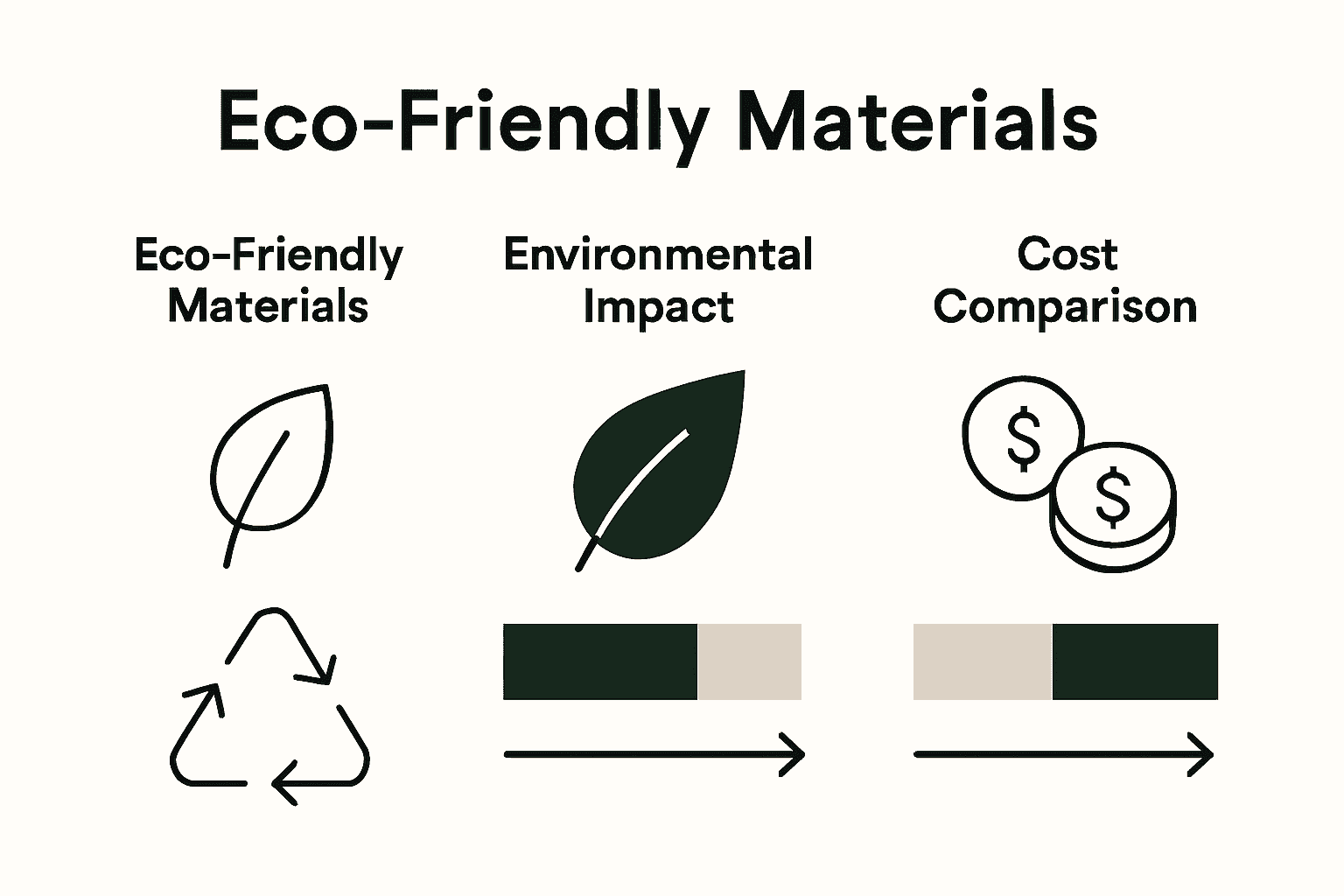
For businesses seeking to balance sustainability with economic pragmatism, understanding these nuanced comparisons is essential. Learn more about eco-friendly hotel amenities to explore how sustainable choices can drive both environmental and financial value.
Elevate Your Sustainability Journey with Eco-Friendly Straw Solutions
Choosing truly sustainable materials means looking beyond the surface. This article highlights the need for products that are biodegradable, renewable, and crafted with minimal environmental impact. If you are seeking ways to reduce your carbon footprint and meet your eco-friendly procurement goals in foodservice or hospitality, the challenge is clear: find materials that combine durability with genuine environmental benefits.
At TheOceanStraw.com, we understand these demands. Our innovative wood and plant-based straws are designed to offer a durable, safe, and fully biodegradable alternative to single-use plastics. By integrating such solutions, you can confidently support sustainability initiatives and satisfy eco-conscious customers. Discover more about how our products align with green practices by exploring our educational resources and understanding the value of environmentally friendly products.
Looking to make an immediate impact on your environmental footprint? Visualize the difference with our products.
Take the step today to integrate sustainable straws into your offerings. Visit TheOceanStraw.com now to explore wholesale options, request samples, and join a community dedicated to environmental stewardship.
Frequently Asked Questions
What makes a material eco-friendly?
An eco-friendly material is characterized by its renewable sourcing, low carbon footprint, biodegradability, minimal toxic emissions during production, and energy efficiency. These materials undergo comprehensive evaluations throughout their lifecycle to ensure genuine sustainability.
What are some examples of eco-friendly materials?
Examples of eco-friendly materials include biocomposites (natural fibers reinforced with resins), mycelium-based materials (derived from fungi), recycled polymers (reprocessed plastics), plant-based plastics (biodegradable alternatives), and reclaimed wood or agricultural waste (repurposed materials that minimize environmental impact).
How are eco-friendly materials certified?
Eco-friendly materials are certified through various mechanisms, including environmental impact assessments, social responsibility verifications, chemical safety testing, lifecycle analyses, and traceability requirements that document the material’s origin and transformation processes.
How do eco-friendly materials impact the hospitality and foodservice industries?
Eco-friendly materials are transforming the hospitality and foodservice industries by providing biodegradable disposable serviceware, sustainable kitchen equipment, eco-friendly uniforms, and innovative food packaging solutions. These materials not only reduce environmental impact but also enhance the overall guest experience.