
Eco-Friendly Plates And Cutlery: Why It Matters for Foodservice

Over half of American diners say they prefer businesses that use sustainable products, a number that keeps rising each year. The growing demand for eco-friendly tableware highlights the shift in how companies and consumers think about waste and responsibility. Whether you run a busy restaurant or simply care about the planet, understanding the real meaning behind these new tableware options can help you make smarter, greener choices.
Table of Contents
- What Eco‑Friendly Tableware Means
- Material Types And Their Differences
- Food Safety And Regulatory Standards
- Performance And Use In Hospitality
- Costs And Sustainability Comparisons
Key Takeaways
| Point | Details |
|---|---|
| Eco‑friendly Tableware Benefits | Offers a sustainable alternative, reducing environmental impact, waste, and carbon emissions in the foodservice industry. |
| Material Variations | Different materials present unique sustainability profiles; understanding these is crucial for informed purchasing decisions. |
| Regulatory Compliance | Eco‑friendly tableware must meet strict food safety standards, ensuring materials are safe and free from harmful chemicals. |
| Cost-Benefit Analysis | Evaluating total cost of ownership, including environmental expenses, highlights long-term advantages of sustainable tableware investments. |
What eco‑friendly tableware means
Eco‑friendly tableware represents a sustainable alternative to traditional disposable plates, utensils, and serving implements that minimize environmental impact throughout their lifecycle. These products are designed to reduce waste, lower carbon emissions, and support responsible consumption practices in the foodservice industry. When restaurants and catering businesses choose eco‑friendly restaurant supplies, they actively participate in reducing ecological harm.
At its core, eco‑friendly tableware is manufactured using materials that are renewable, biodegradable, or compostable. These can include innovative substrates like agricultural waste products, bamboo, sugarcane pulp, palm leaves, and plant‑based plastics that break down naturally without leaving harmful residues. Unlike traditional petroleum‑based plastics that persist in landfills for hundreds of years, these sustainable alternatives decompose within months to a few years, significantly reducing environmental burden.
The characteristics of genuine eco‑friendly tableware extend beyond material composition. Such products must demonstrate a holistic approach to sustainability, encompassing responsible sourcing, minimal processing energy, reduced transportation emissions, and end‑of‑life recyclability or compostability. Professional foodservice operators increasingly recognize that environmentally friendly products represent more than just a trend – they are a critical component of responsible business practices that address global environmental challenges. By selecting tableware that minimizes ecological impact, businesses can simultaneously reduce waste, lower carbon footprints, and communicate their commitment to sustainable operations.
Material types and their differences
In the realm of eco‑friendly tableware, multiple material types offer unique sustainability profiles and performance characteristics. Systematic reviews reveal significant variations in environmental impact across different material options, challenging the assumption that all sustainable alternatives are equally beneficial. Foodservice professionals must understand these nuanced differences to make informed purchasing decisions.
The primary sustainable material categories include bamboo, wood, cornstarch, and paper. Sustainable alternatives to plastic tableware demonstrate remarkable diversity, each with distinct advantages. Bamboo stands out as a rapidly renewable resource that grows quickly without harmful chemicals, producing durable, 100% biodegradable products. Wood‑based tableware offers natural biodegradability when sourced from sustainably managed forests, providing sturdy plates and utensils that decompose naturally.
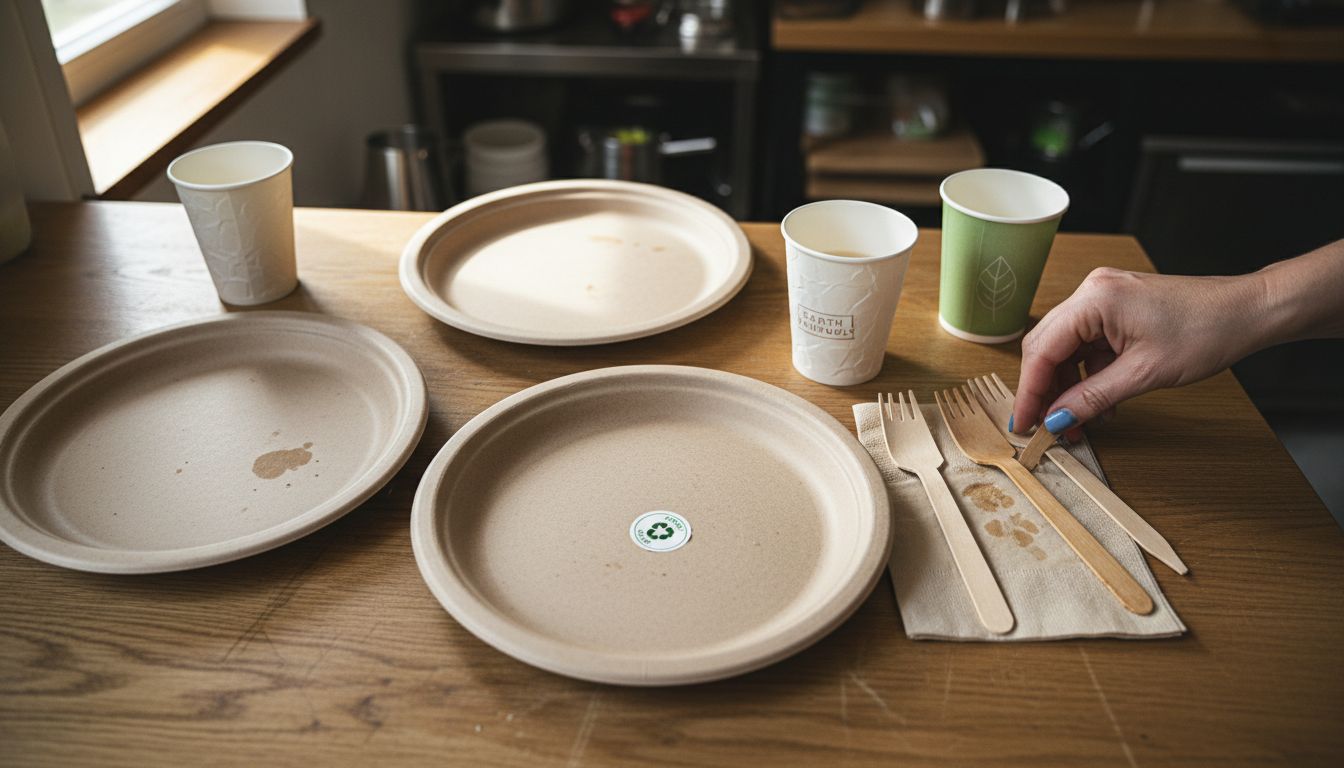
Comparing material performance requires examining multiple environmental factors beyond simple biodegradability. Cornstarch‑based products present an interesting option, suitable for cutlery and plates, though they struggle with heat resistance. Paper tableware represents another widely used alternative, recyclable and biodegradable when free from food contamination. Critically, scientific research indicates that bio‑based systems generally demonstrate lower environmental impact compared to traditional petroleum‑based plastics like polystyrene and polypropylene, making them increasingly attractive for environmentally conscious businesses.
Understanding material trade‑offs is crucial. While some alternatives like polylactic acid (PLA) lunch boxes show promise, their production phases can generate significant environmental costs. Foodservice operators must balance material performance, environmental impact, cost considerations, and practical usability when selecting eco‑friendly tableware. The goal is not just replacing plastic, but implementing truly sustainable solutions that minimize ecological footprints across manufacturing, usage, and disposal stages.
Food safety and regulatory standards
Food safety represents a critical consideration for eco‑friendly tableware, with stringent regulatory standards governing materials that come into direct contact with food. Life‑cycle assessments of environmental tableware highlight the complex interactions between material composition and safety requirements, underscoring the importance of comprehensive evaluation beyond environmental impact.
Regulatory compliance demands that eco‑friendly tableware meet multiple critical standards. Manufacturers must ensure their products are free from harmful chemicals, capable of withstanding intended food temperatures, and safe for single or multiple uses. The Food and Drug Administration (FDA) establishes rigorous guidelines for food contact materials, requiring extensive testing to validate material safety. This includes evaluating potential chemical migrations, thermal stability, and potential contamination risks associated with biodegradable materials like bamboo, wood, and plant‑based alternatives.
Systematic research on sustainable tableware reveals significant variations in material safety profiles, demonstrating that not all eco‑friendly alternatives meet the same safety standards. Cornstarch and paper‑based products, for instance, require careful assessment for heat resistance and potential chemical leaching. Professional foodservice operators must scrutinize certification documents, understanding that sustainable does not automatically translate to safe. Certifications from recognized bodies like NSF International, FDA, and USDA provide critical validation of material safety and compliance.
The complexity of food safety standards extends beyond material composition to include manufacturing processes, transportation, and storage conditions. Eco‑friendly tableware manufacturers must demonstrate consistent quality control, traceability of raw materials, and compliance with international food safety protocols. This comprehensive approach ensures that sustainable alternatives not only minimize environmental impact but also protect consumer health through rigorous safety standards and transparent production practices.
Performance and use in hospitality
Hospitality professionals face complex challenges when selecting eco‑friendly tableware, balancing environmental responsibility with practical performance requirements. Research investigating event tableware options reveals nuanced recommendations for sustainable solutions, emphasizing the importance of context‑specific selection strategies across different hospitality settings.
The performance of sustainable tableware varies significantly across different food service environments. Catering services, restaurants, hotels, and event venues must carefully evaluate material characteristics such as heat resistance, durability, and functional longevity. Systematic reviews consistently demonstrate that reusable options typically outperform single‑use alternatives in overall environmental impact, suggesting that hospitality operators should prioritize washable, durable tableware whenever possible. When reusable options are impractical, biodegradable alternatives like bioplastic and cardboard materials offer superior environmental credentials compared to traditional petroleum‑based disposables.
Specific hospitality sectors require tailored approaches to eco‑friendly tableware implementation. Fine dining restaurants might prefer ceramic or glass options, while quick‑service establishments could benefit from bamboo or plant‑based disposables. Factors such as food temperature, service style, transportation requirements, and waste management infrastructure play critical roles in material selection. Event planners, in particular, must carefully balance sustainability goals with practical constraints, choosing materials that minimize environmental impact without compromising guest experience or operational efficiency.
Successful integration of eco‑friendly tableware demands a holistic approach that considers not just material composition, but entire lifecycle performance. Hospitality managers must evaluate factors including initial cost, durability, hygiene standards, disposal requirements, and potential marketing advantages of sustainable choices. Training staff in proper handling, understanding material limitations, and effectively communicating sustainability initiatives becomes as crucial as the tableware selection itself.
Costs and sustainability comparisons
Comparing the economic and environmental implications of eco‑friendly tableware requires a sophisticated analysis that extends far beyond simple price‑per‑unit calculations. Life‑cycle assessments for environmental tableware reveal complex interactions between material selection, production processes, and overall sustainability impact, demonstrating that true cost considerations must encompass multiple strategic dimensions.
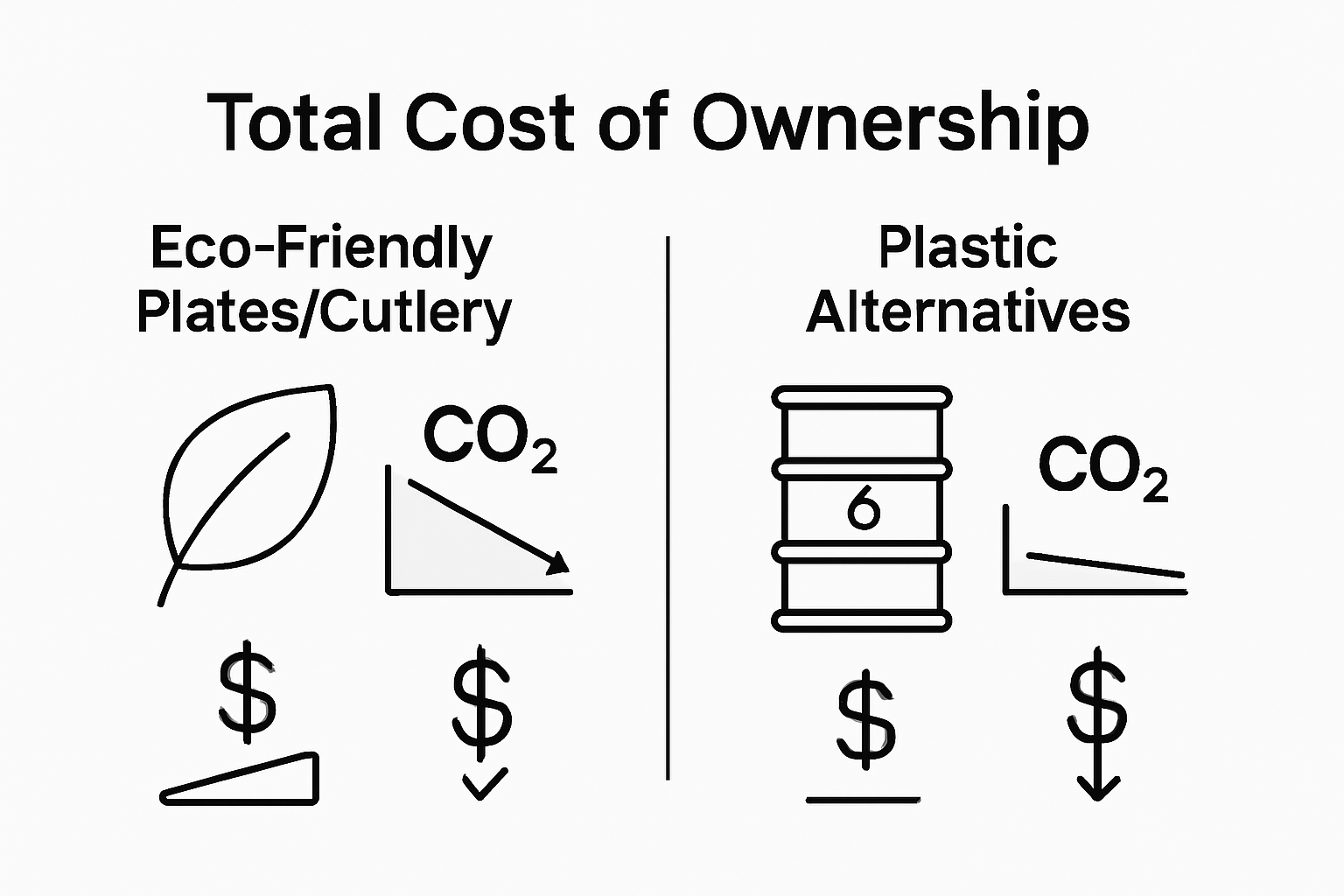
The total cost of ownership for sustainable tableware involves examining direct and indirect expenses across entire product lifecycles. Material choices like bamboo, polypropylene, and bio‑based alternatives present dramatically different economic profiles. Systematic research consistently indicates that bio‑based systems generate lower environmental impacts compared to traditional disposable petroleum‑based tableware, suggesting long‑term financial advantages for businesses willing to invest in sustainable solutions. Key cost factors include raw material procurement, manufacturing energy requirements, transportation emissions, waste management expenses, and potential regulatory compliance costs.
Strategic sustainability comparisons must consider multiple evaluation parameters beyond immediate financial metrics. Businesses should analyze environmental costs such as carbon footprint, water usage, waste generation, and potential carbon credit opportunities. Factors like material recyclability, biodegradability, and end‑of‑life disposal options significantly influence the overall economic and ecological value proposition. Innovative foodservice operators increasingly recognize that sustainability investments can generate competitive advantages, enhanced brand reputation, and potential cost savings through reduced waste management expenses.
Implementing comprehensive cost‑benefit analyses requires sophisticated tracking of direct and indirect sustainability metrics. Organizations must develop robust measurement frameworks that account for short‑term financial implications and long‑term environmental impacts. By integrating sustainable procurement principles, businesses can transform eco‑friendly tableware from a perceived expense into a strategic investment that delivers measurable economic and environmental returns.
Take Your Eco-Friendly Tableware to the Next Level with Sustainable Solutions
The challenge of choosing truly eco-friendly plates and cutlery that meet food safety standards and sustainability goals can feel overwhelming. When you want to reduce your foodservice operation’s environmental impact without compromising performance or guest experience, every choice matters. That is why integrating durable, biodegradable, and reusable products like The Ocean Straw Growth Pack is a smart move to complement your eco-friendly tableware. Our innovative wood and plant-based drinking straws align perfectly with your commitment to lowering carbon footprints, minimizing waste, and meeting regulatory safety requirements.
Don’t let the complexity of sustainable procurement slow down your progress. Explore our carefully crafted range of sustainable straws at TheOceanStraw.com to enhance your foodservice operations now. By partnering with an expert supplier focused on eco-conscious hospitality, you gain reliable products that support your brand reputation and sustainability initiatives. Take the first step toward a greener future and request samples or wholesale options today.
Frequently Asked Questions
What is eco-friendly tableware?
Eco-friendly tableware refers to sustainable alternatives to traditional disposable plates and utensils made from renewable, biodegradable, or compostable materials that minimize environmental impact.
What materials are commonly used for eco-friendly plates and cutlery?
Common materials include bamboo, wood, cornstarch, and paper. Each material has unique sustainability profiles and performance characteristics suitable for various food service environments.
How does eco-friendly tableware compare to traditional plastic options?
Eco-friendly tableware generally has a lower environmental impact than traditional petroleum-based plastics, as it decomposes naturally and typically requires less energy in production, reducing carbon emissions.
Are there food safety regulations for eco-friendly tableware?
Yes, eco-friendly tableware must comply with strict food safety regulations, ensuring that materials are free from harmful chemicals and meet guidelines for contact with food, including temperature resistance and contamination risks.
Recommended
- Complete Guide to Eco-Friendly Material Options – The Ocean Straw
- Eco Friendly Restaurant Supplies: Complete Guide – The Ocean Straw
- Complete Guide to Eco Friendly Takeout Containers – The Ocean Straw
- Comment protéger la planète au quotidien avec ses enfants – The Zoofamily
- Set Your Table with Style: The Secret to Sustainable Tableware – Wispa Luxury