
Eco Friendly Spoons: Transforming Food Service Standards

Every day, over 100 million single-use plastic utensils end up in American landfills, highlighting the urgent need for smarter alternatives in food service. Choosing eco friendly spoons is not just about reducing waste, it is about supporting a cleaner future for families and businesses across the country. Discover how these practical, biodegradable options combine environmental responsibility with the durability and safety that American food professionals demand.
Table of Contents
- What Are Eco Friendly Spoons? Core Principles
- Types of Eco Friendly Spoons by Material
- How Eco Friendly Spoons Are Made and Used
- Safety, Certifications, and Compliance Standards
- Environmental Impact Versus Disposable Alternatives
- Cost, Durability, and Common Purchasing Mistakes
Key Takeaways
| Point | Details |
|---|---|
| Eco Friendly Spoons Are Biodegradable | These utensils are designed to decompose within 30-180 days, significantly reducing environmental waste compared to traditional plastic spoons, which can take hundreds of years. |
| Innovative Material Use | Eco friendly spoons utilize materials such as agricultural waste, corn starch, and bamboo, providing sustainable and functional alternatives to single-use plastic. |
| Safety and Compliance Standards | Rigorous testing and certification processes ensure that eco friendly spoons meet strict safety requirements, safeguarding consumers and the environment from harmful chemicals. |
| Cost-Effectiveness Over Time | While the initial cost may be higher, biodegradable spoons offer long-term economic and environmental benefits, making them a valuable investment for businesses prioritizing sustainability. |
What Are Eco Friendly Spoons? Core Principles
Eco friendly spoons represent a groundbreaking solution in sustainable food service design, transitioning away from traditional single-use plastic utensils toward innovative biodegradable alternatives. These specialized utensils are engineered to minimize environmental impact while maintaining functional performance standards expected by food service professionals. When examining the core principles of eco-friendly materials, critical considerations emerge regarding composition, degradation capacity, and overall environmental footprint.
Scientific research highlights the intricate design requirements for biodegradable spoons. Studies have demonstrated that high-quality eco friendly spoons must balance multiple performance criteria. Comprehensive material assessments reveal key characteristics such as texture stability, water absorption resistance, and potential antioxidant properties. These spoons typically utilize plant-based materials like agricultural waste, corn starch, or bamboo fibers that can naturally decompose without leaving harmful residues in ecological systems.
The fundamental design principles of eco friendly spoons center on three critical elements:
- Sustainability: Complete biodegradability within specified timeframes
- Performance: Maintaining structural integrity during typical food service usage
- Safety: Ensuring no toxic chemical leaching during production or decomposition
Manufacturers committed to producing these innovative utensils must rigorously test their products against strict environmental and functional standards. By prioritizing materials that can return harmlessly to natural ecosystems, eco friendly spoons represent more than just a product - they embody a transformative approach to reducing plastic waste in food service industries worldwide.
Types of Eco Friendly Spoons by Material
Eco friendly spoons showcase remarkable innovation through diverse material compositions, transforming traditional cutlery into sustainable solutions. The landscape of biodegradable utensils encompasses an impressive range of innovative materials, each offering unique environmental and functional characteristics. Environmentally conscious product development has driven remarkable advances in creating spoons that minimize ecological impact while maintaining superior performance standards.
Advanced research on edible cutlery materials reveals exciting possibilities in agricultural waste transformation. Scientists have successfully developed spoons using complex flour mixtures including wheat, sorghum, rice, and ragi, demonstrating how food production byproducts can be reimagined as functional eating implements. These innovative materials not only provide a sustainable alternative to plastic but also introduce potential nutritional benefits through carefully selected organic ingredients.
Key material categories for eco friendly spoons include:
- Plant-Based Materials: Bamboo, corn starch, sugarcane bagasse
- Agricultural Waste Derivatives: Millet flour, rice husks, wheat bran
- Biodegradable Polymers: PLA (polylactic acid), PHB (polyhydroxybutyrate)
- Edible Compositions: Cocoa shell fiber-based spoons with remarkable degradation properties
Manufacturers are continuously pushing boundaries in material science, developing spoons that can decompose rapidly while maintaining structural integrity during use. The most advanced eco friendly spoons now offer performance comparable to traditional plastic utensils, with the added benefit of complete environmental compatibility. By prioritizing materials that can safely return to natural ecosystems, these innovative utensils represent a significant step toward reducing plastic waste in global food service industries.
How Eco Friendly Spoons Are Made and Used
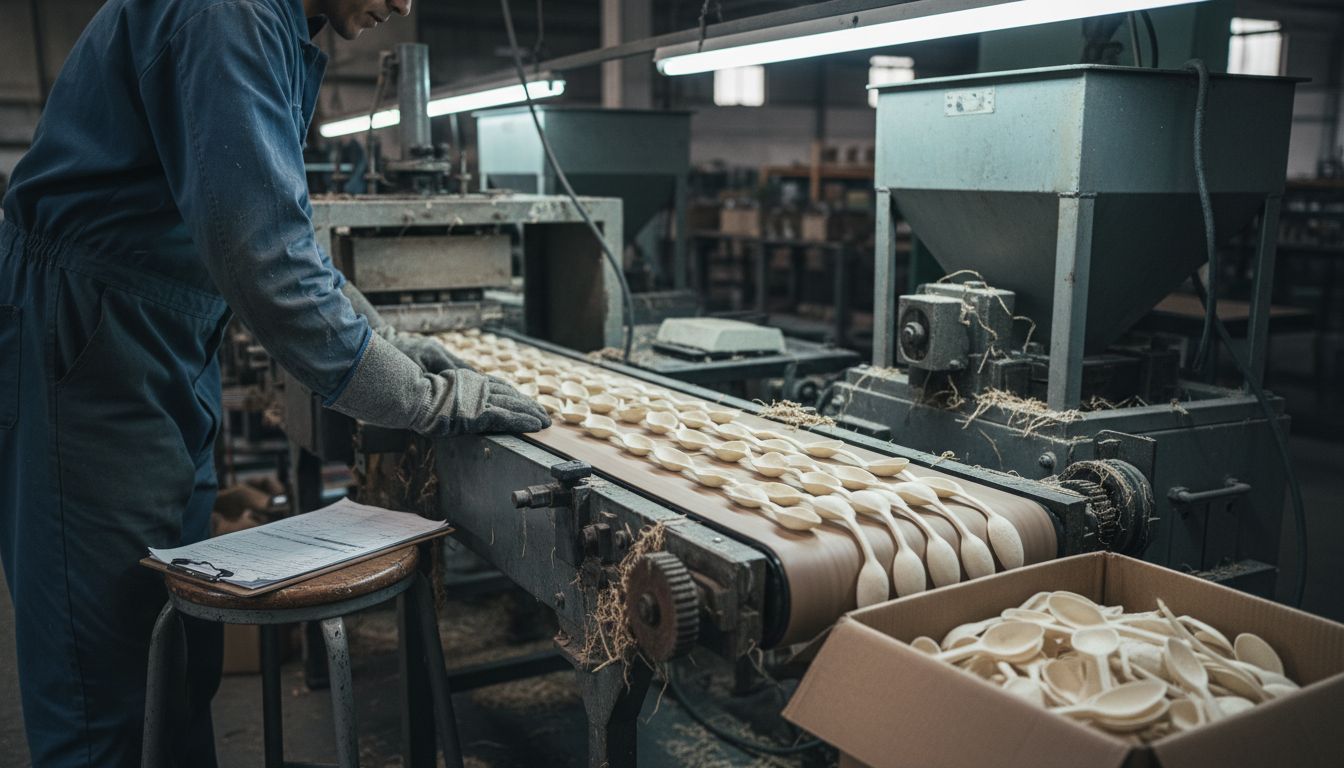
The manufacturing process for eco friendly spoons represents a sophisticated intersection of material science, sustainability, and culinary innovation. Eco friendly restaurant supplies have evolved dramatically, transforming agricultural byproducts and natural ingredients into functional, biodegradable utensils that challenge traditional manufacturing paradigms. This intricate production method involves carefully selecting raw materials, precision processing, and rigorous quality control to ensure both environmental compatibility and user performance.
Innovative student researchers have demonstrated extraordinary creativity in developing edible spoon technologies. The Oliva Spoon, created by Malaysian innovators, exemplifies how natural ingredients can be transformed into nutritious, waste-reducing eating implements. The production typically involves several critical stages:
- Raw Material Selection: Identifying sustainable, food-safe ingredients
- Ingredient Processing: Grinding, mixing, and preparing base materials
- Molding: Creating precise utensil shapes with consistent dimensions
- Drying/Curing: Stabilizing the spoon’s structural integrity
- Quality Testing: Ensuring performance and safety standards
Cutting-edge manufacturers like Spoontainable have pioneered techniques for converting cocoa shell fibers into fully functional eating utensils. These spoons are designed to serve multiple purposes: providing a practical eating tool while simultaneously offering a sustainable alternative to single-use plastics. The usage applications extend across various food service environments, from casual dining to catered events, where the spoon can either be consumed or composted after use, dramatically reducing waste and environmental impact.
Safety, Certifications, and Compliance Standards
The landscape of eco friendly spoons demands rigorous safety protocols and comprehensive compliance standards to ensure consumer protection and environmental integrity. Environmentally conscious restaurant supplies must navigate complex regulatory frameworks that evaluate material composition, potential chemical leaching, and overall product safety. These stringent requirements protect both end-users and ecological systems from potential contamination risks.
Innovative manufacturers have developed advanced certification processes for biodegradable cutlery, focusing on cellulosic materials that meet strict environmental and safety benchmarks. Key certification standards typically encompass:
- Material Purity: Ensuring zero toxic chemical presence
- Biodegradability: Verifying complete decomposition capabilities
- Temperature Resistance: Confirming usability across different food service conditions
- Food Contact Safety: Validating non-toxic interactions with consumable products
Advanced manufacturing techniques now produce compostable spoons with FDA certification, utilizing non-GMO corn materials that are completely free from BPA and other harmful chemical compounds. These spoons demonstrate remarkable thermal stability, withstanding temperatures up to 212°F while maintaining structural integrity. The comprehensive approach to safety involves multiple layers of testing, including chemical analysis, thermal resistance evaluation, and continuous environmental impact assessments, ensuring that eco friendly spoons not only meet but often exceed traditional food service safety standards.
Environmental Impact Versus Disposable Alternatives
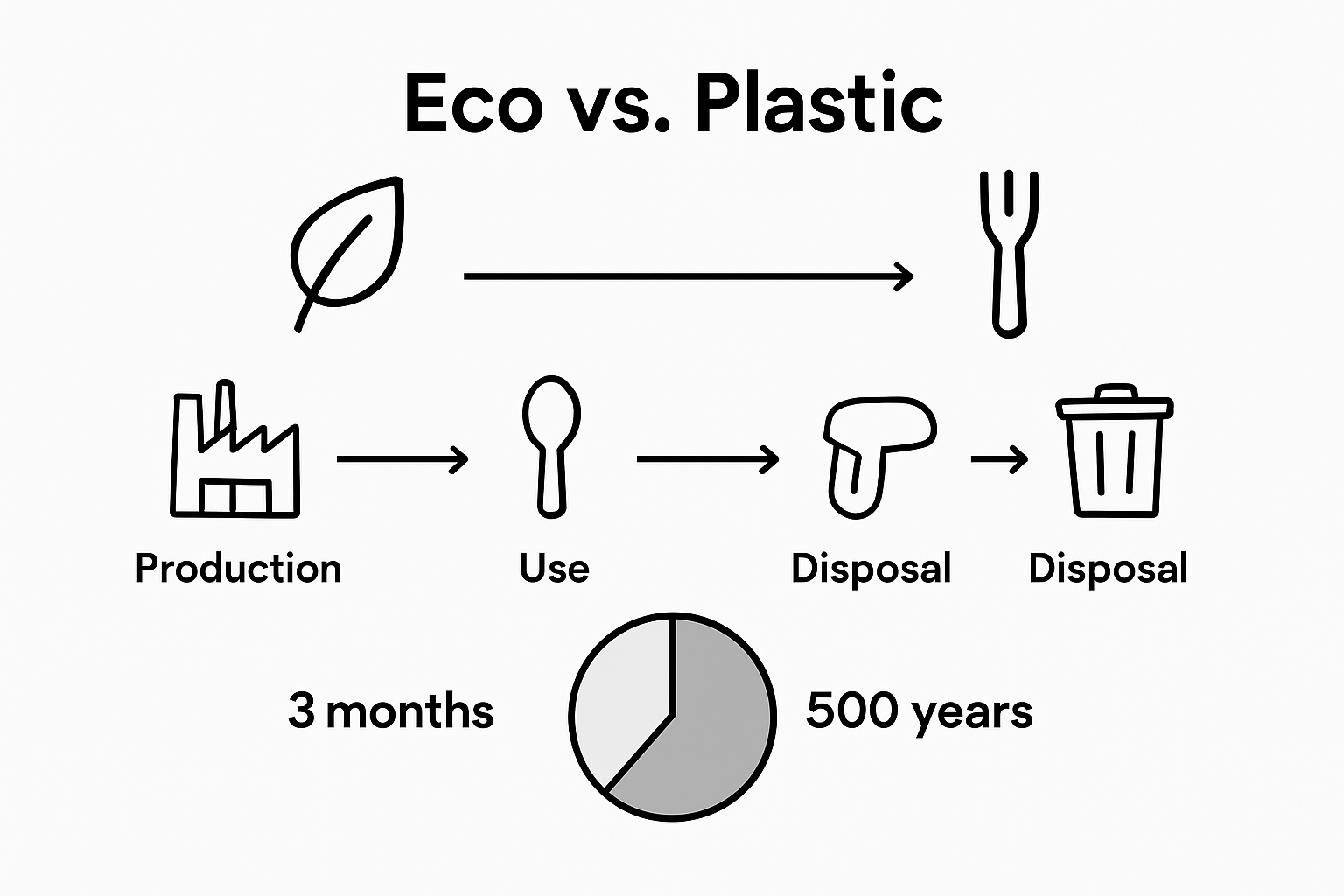
The environmental consequences of disposable plastic spoons represent a critical challenge for global sustainability efforts. Single use plastic impact reveals a stark contrast between traditional utensils and emerging eco friendly alternatives, with plastic spoons contributing significantly to long-term ecological degradation. A single disposable plastic spoon can persist in environmental systems for hundreds of years, creating persistent waste that accumulates in landfills, oceans, and natural ecosystems.
Comprehensive research evaluations demonstrate the transformative potential of biodegradable spoon technologies in mitigating environmental damage. The comparative analysis between traditional and eco friendly spoons reveals compelling advantages:
- Decomposition Time: Plastic spoons: 450-1000 years; Eco friendly spoons: 30-180 days
- Carbon Footprint: Plastic spoons: High greenhouse gas emissions; Eco friendly spoons: Minimal environmental impact
- Resource Consumption: Plastic spoons: Petroleum-based; Eco friendly spoons: Renewable agricultural materials
- Waste Management: Plastic spoons: Persistent landfill accumulation; Eco friendly spoons: Compostable and biodegradable
The most profound environmental benefit emerges from the complete lifecycle transformation. Eco friendly spoons not only reduce waste but actively contribute to circular economic models by utilizing agricultural byproducts, converting potential waste streams into valuable, functional products. This approach represents a fundamental reimagining of resource utilization, turning what was once considered waste into innovative, sustainable solutions that support both ecological preservation and food service industry needs.
Cost, Durability, and Common Purchasing Mistakes
Navigating the complex landscape of eco friendly spoons requires a nuanced understanding of cost effectiveness and performance benchmarks. Eco friendly restaurant supplies represent an investment that extends beyond immediate financial considerations, encompassing long-term sustainability and operational efficiency. While initial procurement costs might appear higher compared to traditional plastic utensils, the comprehensive value proposition of biodegradable spoons delivers significant economic and environmental advantages.
Advanced manufacturing approaches demonstrate that biodegradable cutlery can provide cost-effective solutions for both personal and business applications. Purchasers frequently encounter several critical decision points when selecting eco friendly spoons:
- Material Quality: Verifying structural integrity and performance capabilities
- Price Point Comparison: Analyzing total cost of ownership
- Bulk Purchase Considerations: Understanding volume-based pricing strategies
- Performance Testing: Evaluating thermal and mechanical resistance
Common purchasing mistakes often stem from overlooking critical evaluation criteria. Comprehensive product assessments reveal that successful procurement involves examining beyond initial price, focusing on durability, biodegradation speed, and overall environmental impact. Businesses should prioritize spoons that offer balanced performance across multiple dimensions: cost efficiency, functional reliability, and sustainable design principles. The most effective strategy involves conducting thorough research, requesting product samples, and performing rigorous comparative analysis before making large-scale purchasing decisions.
Elevate Your Food Service with Sustainable Solutions Today
Transitioning to eco friendly spoons addresses a vital challenge facing the food service industry today: reducing the overwhelming plastic waste that damages our environment for centuries. This article clearly highlights the critical need for sustainable, biodegradable utensils that maintain performance without compromising safety or durability. If you are striving to enhance your business’s environmental impact while meeting high operational standards, embracing innovative eco friendly alternatives is essential.
At TheOceanStraw.com, we understand these pain points and offer solutions that align perfectly with your objectives. Our product range, including the highly sought after The Ocean Straw Growth Pack, features durable, plant based, biodegradable straws designed to complement your eco friendly initiatives. These straws help you minimize plastic usage while maintaining the quality your customers expect.
Take action now to elevate your food service standards by incorporating sustainable alternatives that truly make a difference. Explore our full collection and join countless businesses committed to reducing environmental impact. Visit TheOceanStraw.com to discover innovative, safe, and biodegradable solutions that go hand in hand with your shift to eco friendly spoons. Start leading your industry toward a greener future today.
Frequently Asked Questions
What are eco friendly spoons made of?
Eco friendly spoons are typically made from plant-based materials like bamboo, corn starch, and sugarcane bagasse, as well as agricultural waste derivatives such as millet flour and rice husks. They may also include biodegradable polymers like PLA (polylactic acid).
How long does it take for eco friendly spoons to decompose?
Eco friendly spoons can decompose within 30 to 180 days, significantly faster than traditional plastic spoons, which can persist in the environment for hundreds of years.
What are the safety standards for eco friendly spoons?
Safety standards for eco friendly spoons include ensuring material purity, verifying complete biodegradability, confirming temperature resistance, and validating food contact safety to prevent toxic interactions with consumables.
Are eco friendly spoons durable compared to plastic spoons?
Yes, many eco friendly spoons are designed for comparable performance to traditional plastic utensils, maintaining their structural integrity during use while also being biodegradable and environmentally friendly.
Recommended
- Complete Guide to Eco-Friendly Material Options – The Ocean Straw
- Eco Friendly Restaurant Supplies: Complete Guide – The Ocean Straw
- How to Reduce Reuse and Recycle for Foodservice Success – The Ocean Straw
- Understanding Eco Friendly Hotel Amenities for Sustainable Stays – The Ocean Straw
- Understanding Food Contact Surfaces in Hospitality and Care - Probe IT
- Understanding What is a Sustainable Diet for Healthy Living - LeanAndFit
- Comment protéger la planète au quotidien avec ses enfants – The Zoofamily