
Effect of Single-Use Plastic on Our Environment

Plastic accounts for nearly 40 to 50 percent of the global waste stream, putting immense pressure on American eateries to rethink their everyday choices. Eco-conscious restaurant and café owners in North America face rising demands for sustainable solutions as single-use plastics dominate foodservice operations. This article highlights the real scope of single-use plastics, their environmental impact, and practical alternatives to help businesses align with growing environmental expectations.
Table of Contents
- Defining Single-Use Plastic and Its Prevalence
- Major Types of Single-Use Plastic Products
- Pathways of Pollution: Land, Water, and Air
- Ecological and Climate Impact of Plastic Waste
- Business Risks and Legal Regulations for Plastics
- Sustainable Alternatives: Solutions for Foodservice
Key Takeaways
| Point | Details |
|---|---|
| Single-use plastics constitute 40-50% of global plastic production. | These products are designed for immediate disposal, contributing significantly to environmental pollution. |
| The lifecycle of single-use plastics causes long-term ecological harm. | Their production and disposal create substantial greenhouse gas emissions and persistent pollution in ecosystems. |
| Stringent regulations are reshaping the plastics industry. | Businesses must adapt to new environmental standards, which may drive innovation in sustainable practices. |
| Sustainable alternatives can significantly reduce plastic waste. | Transitioning to reusable and biodegradable products presents viable solutions to lessen the reliance on single-use plastics. |
Defining Single-Use Plastic and Its Prevalence
Single-use plastics represent a critical environmental challenge characterized by products designed for immediate disposal after a single application. These materials, which include everyday items like plastic bags, packaging materials, drinking straws, cutlery, and beverage containers, constitute a staggering 40-50% of the 400 million tons of plastic produced globally each year.
The prevalence of single-use plastics stems from several key characteristics that make them attractive for manufacturers and consumers. These materials are exceptionally lightweight, mechanically robust, highly resistant to degradation, and remarkably inexpensive to produce. Such properties have enabled their widespread adoption across multiple industries, from food service to retail packaging. However, this convenience comes with a significant environmental cost, as these plastics can persist in ecosystems for tens to thousands of years after their brief moments of utility.
The lifecycle of single-use plastics begins with fossil fuel extraction through methods like pumping, drilling, and fracking, and ends with long-term environmental contamination. Manufacturing processes transform oil, gas, and coal into plastic products that are used momentarily but remain in our environment for generations. This stark contrast between extremely short usage times and extraordinarily long degradation periods creates substantial challenges for waste management and ecosystem preservation.
Pro tip: When shopping, opt for reusable alternatives like cloth bags, glass containers, and metal straws to immediately reduce your single-use plastic consumption.
Major Types of Single-Use Plastic Products
Single-use plastic products encompass a diverse range of materials that have become ubiquitous in modern consumer and industrial settings. Thermoplastics dominate the single-use plastic landscape, including key polymers such as polyvinyl chloride (PVC), low-density polyethylene (LDPE), high-density polyethylene (HDPE), polypropylene (PP), and polystyrene (PS). These materials form the foundation of numerous everyday items that are designed for immediate disposal after a single use.
The most common single-use plastic products can be categorized into several primary groups. Packaging materials represent a significant segment, including plastic bags, food wrappers, and protective packaging for consumer goods. Foodservice items are another major category, featuring disposable cutlery, drinking straws, beverage containers, and takeout containers. Personal care and hygiene products like cotton swab sticks, tampon applicators, and plastic packaging for toiletries also contribute substantially to single-use plastic waste. Additional categories include agricultural plastics, construction materials, and medical disposables.
The manufacturing of these plastics draws from multiple sources, including fossil fuels like coal, natural gas, and oil, as well as emerging renewable sources such as corn and agricultural waste. While traditional petroleum-based plastics remain dominant, there is growing interest in bioplastics - plant-based alternatives that can potentially biodegrade under specific environmental conditions. Each type of plastic offers unique characteristics that make them attractive for specific applications, from the flexibility of polyethylene to the durability of polypropylene.
Here’s a quick summary of major single-use plastics and their primary industry uses:
| Plastic Type | Common Products | Typical Industry Uses |
|---|---|---|
| LDPE | Plastic bags, wrappers | Retail, food packaging |
| HDPE | Beverage bottles, containers | Foodservice, construction |
| PVC | Medical disposables, packaging | Healthcare, construction |
| PP | Straws, cutlery, food tubs | Foodservice, manufacturing |
| PS | Takeout containers, cups | Foodservice, retail packaging |
Pro tip: Identify the recycling code on plastic products to better understand their composition and potential for recycling, which can help you make more environmentally conscious purchasing decisions.
Pathways of Pollution: Land, Water, and Air
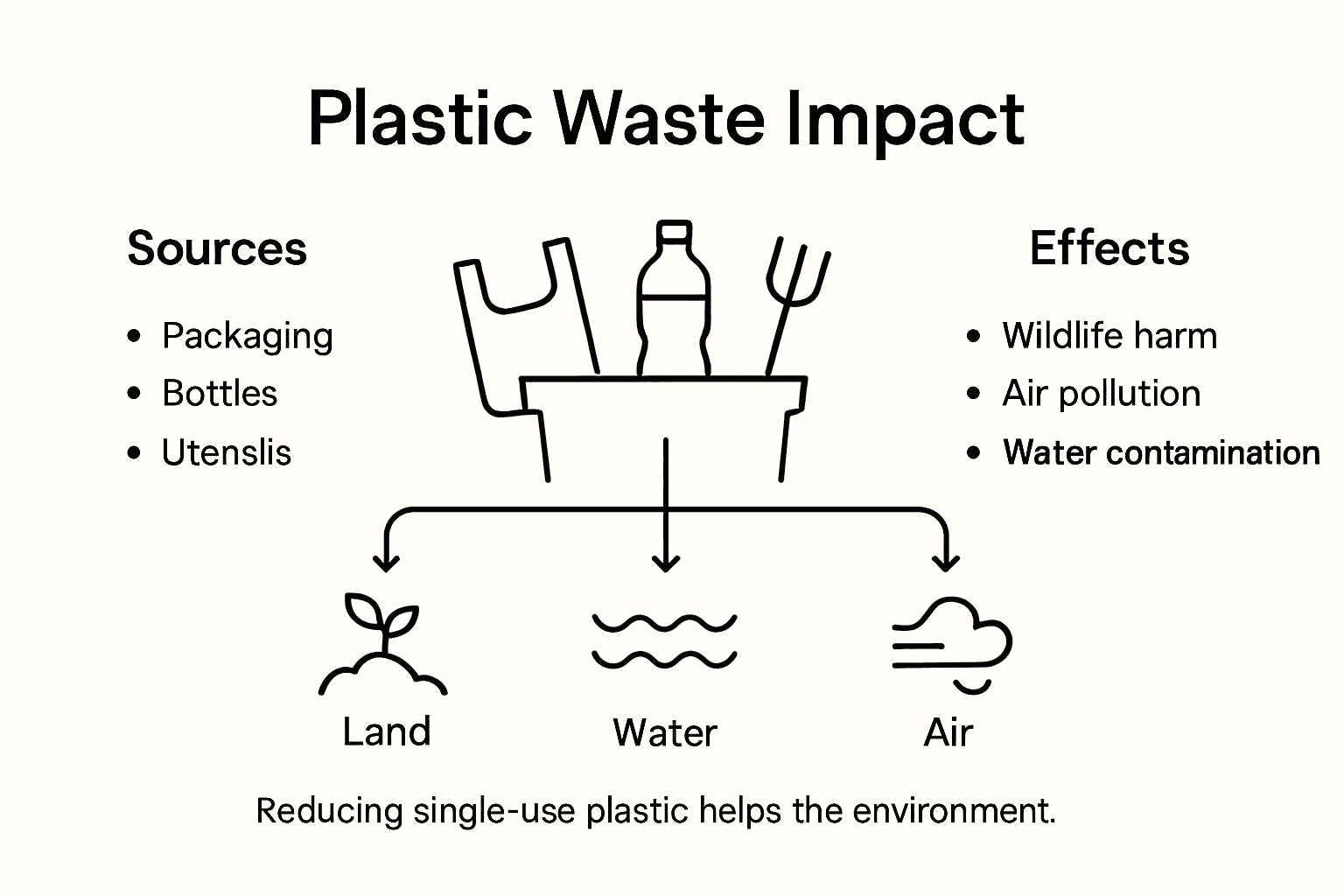
Single-use plastic pollution infiltrates ecosystems through complex and interconnected pathways, creating a pervasive environmental challenge that spans land, water, and atmospheric environments. The journey of these plastics begins with raw material extraction and continues through manufacturing, transportation, use, and ultimately, disposal, each stage contributing to environmental contamination in distinct and cumulative ways.
On land, single-use plastics create significant pollution through direct littering, improper waste management, and landfill accumulation. Plastics discarded in terrestrial environments slowly break down into microplastics and nanoplastics, which penetrate soil structures and disrupt ecological systems. These microscopic particles contaminate agricultural lands, potentially entering food chains and affecting plant and animal life. Water pollution occurs through multiple mechanisms, including direct dumping, runoff from land, and atmospheric deposition. Rivers, lakes, and oceans become repositories for plastic waste, with marine ecosystems bearing a particularly heavy burden as plastics fragment and disperse through complex aquatic networks.
Air pollution from single-use plastics emerges through multiple processes, including industrial manufacturing emissions, incineration of plastic waste, and the atmospheric transport of microplastic particles. The manufacturing and transportation of these materials release significant quantities of greenhouse gases and particulate matter, contributing to air quality degradation. When plastics are burned, they emit toxic chemicals and carbon dioxide, further exacerbating environmental and atmospheric challenges. The persistent nature of these plastics means that their pollution cycle can extend for tens to thousands of years, creating long-term environmental impacts that transcend immediate disposal contexts.
See how plastic pollution impacts different environments:
| Environment | Key Pollution Pathway | Example Impact |
|---|---|---|
| Land | Littering, landfill | Soil contamination, food chain disruption |
| Water | Runoff, direct dumping | Harm to marine life, microplastics in fish |
| Air | Incineration, emissions | Toxic fumes, global warming contribution |
Pro tip: Track your personal plastic consumption and choose products with minimal packaging to directly reduce your contribution to multi-pathway plastic pollution.
Ecological and Climate Impact of Plastic Waste
Plastic waste represents a profound ecological and climate threat that extends far beyond simple material disposal, creating intricate challenges for global environmental sustainability. Every year, approximately 20 million metric tons of plastic litter infiltrate natural ecosystems, causing widespread biodiversity loss and systematic environmental degradation across land, marine, and freshwater habitats.
The climate implications of plastic waste are particularly alarming, with almost all plastics originating from fossil fuel sources that generate substantial greenhouse gas emissions throughout their lifecycle. From initial extraction and refining to manufacturing, transportation, use, and eventual disposal, plastics contribute significantly to global carbon emissions. In 2015, plastic production alone generated 1.96 gigatons of carbon dioxide equivalent, a figure projected to increase dramatically in the coming decades. Without immediate and comprehensive intervention, plastic-related emissions could potentially represent about 13% of the remaining global carbon budget by 2050, threatening critical climate stabilization efforts.
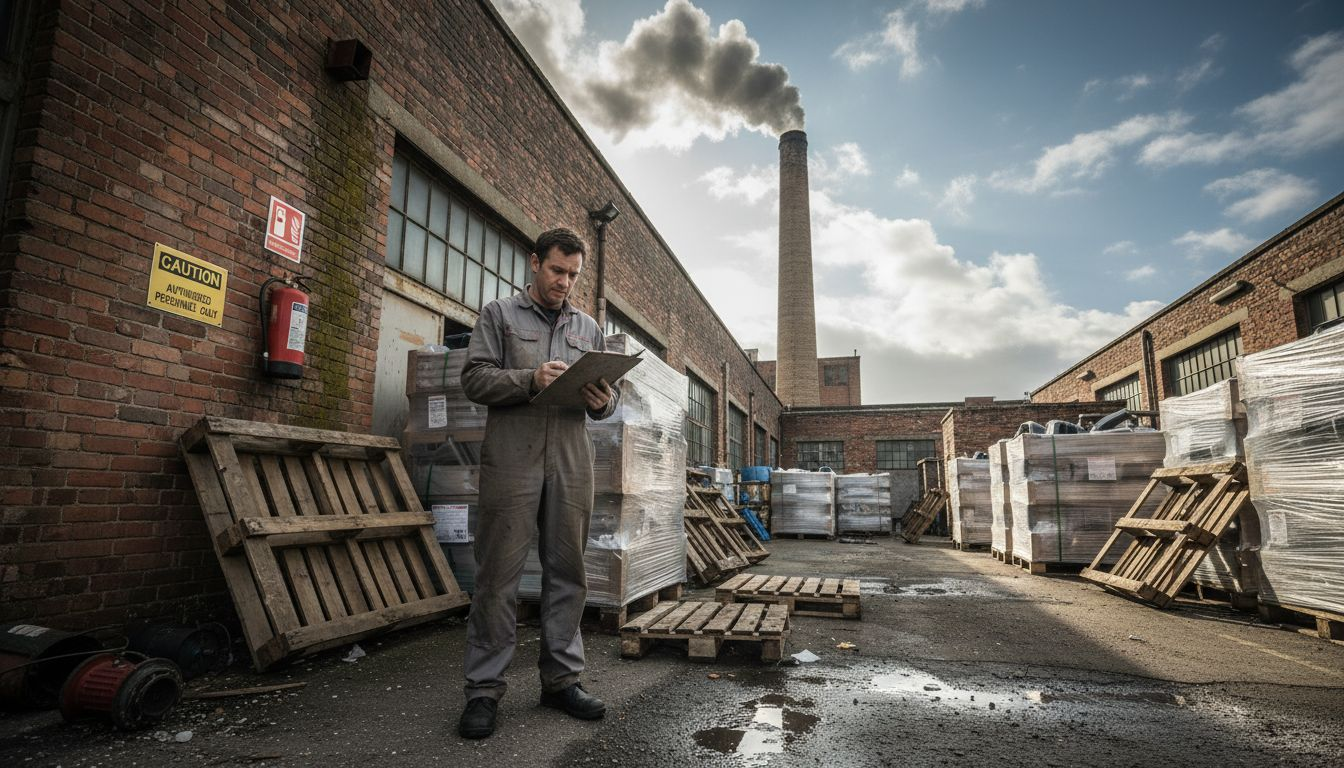
Beyond carbon emissions, plastic waste disrupts ecological systems through multiple mechanisms. Microplastics and nanoplastics penetrate food chains, affecting organisms from microscopic plankton to large marine mammals. These particles accumulate in soil, water, and atmospheric systems, causing genetic mutations, reproductive challenges, and systemic health disruptions across diverse species. The long-term ecological consequences include habitat destruction, reduced biodiversity, and potential cascading effects that could fundamentally alter global ecosystem dynamics.
Pro tip: Prioritize products with minimal plastic packaging and support businesses implementing circular economy principles to directly reduce your personal plastic waste footprint.
Business Risks and Legal Regulations for Plastics
Global regulatory pressures are fundamentally reshaping the plastics industry, compelling manufacturers to adapt to increasingly stringent environmental standards. The emerging legal landscape encompasses comprehensive strategies including outright bans on single-use plastics, mandatory recycling requirements, and international agreements designed to dramatically reduce plastic pollution across multiple sectors.
Businesses face multifaceted risks from these evolving regulations, which demand substantial operational transformations. Companies must now invest in developing biodegradable alternatives, implement advanced recycling technologies, and redesign entire production processes to meet complex legal frameworks. The financial implications are significant, requiring substantial capital investment in research, development, and infrastructure modifications. Moreover, businesses confronting inconsistent global regulations must develop adaptive strategies that can comply with diverse regional requirements while maintaining economic competitiveness.
The policy scenarios emerging from international organizations suggest a comprehensive approach targeting the entire plastics lifecycle. These regulations aim not just to mitigate environmental damage, but to fundamentally restructure how businesses conceptualize material production and waste management. Key focus areas include establishing stringent standards for recyclable materials, creating robust waste management frameworks, and incentivizing circular economy practices. Organizations that proactively embrace these changes can potentially transform regulatory challenges into opportunities for innovation and market differentiation.
Pro tip: Conduct a comprehensive audit of your current plastic usage and develop a strategic transition plan that anticipates future regulatory requirements before mandatory compliance deadlines.
Sustainable Alternatives: Solutions for Foodservice
Reusable food containers represent a pivotal strategy for reducing plastic waste in the foodservice industry, offering a comprehensive approach to environmental sustainability. University of Michigan research demonstrates that these alternatives can significantly diminish greenhouse gas emissions, energy consumption, water usage, and overall environmental impact compared to traditional single-use plastic containers.
The transition to sustainable foodservice alternatives encompasses multiple innovative solutions beyond reusable containers. These include locally compostable materials, biodegradable packaging, plant-based utensils, and comprehensive waste management systems designed to minimize environmental footprints. By implementing these strategies, businesses can dramatically reduce their reliance on single-use plastics while simultaneously meeting growing consumer demands for environmentally responsible practices. The sustainability benefits of these alternatives become increasingly pronounced with repeated use, with break-even environmental performance typically achieved after just four to thirteen uses.
Implementing sustainable alternatives requires a holistic approach that addresses both product design and organizational culture. Successful foodservice sustainability strategies involve comprehensive staff training, customer education, and systematic infrastructure changes. Organizations must invest in durable, easily sanitized reusable containers, develop efficient collection and cleaning protocols, and create economic incentives that encourage sustainable consumer behaviors. The goal extends beyond mere waste reduction to fundamentally reimagining how food service operations interact with environmental resources.
Pro tip: Develop a phased implementation plan for sustainable alternatives, starting with the most frequently used single-use items and gradually expanding your sustainable product range.
Take a Powerful Step Against Single-Use Plastic Pollution
The environmental toll of single-use plastics described in the article highlights an urgent need for sustainable solutions that reduce pollution across land, water, and air. If you are looking to cut down on disposable plastic straws and embrace eco-friendly alternatives, explore how The Ocean Straw offers durable, biodegradable drinking straws made from innovative wood and plant-based materials. These straws reflect the article’s emphasis on reusable solutions that lower greenhouse emissions and curb plastic waste in foodservice.
Join businesses leading the shift toward sustainability with wholesale purchasing options designed specifically for the foodservice and hospitality industries. Act now to reduce your environmental footprint by replacing harmful single-use plastics with safer, long-lasting, and fully compostable straws. Discover how your organization can support global plastic waste reduction goals while enhancing your eco-initiatives at The Ocean Straw. Make the choice today that benefits tomorrow’s planet.
Frequently Asked Questions
What are single-use plastics and why are they problematic?
Single-use plastics are products designed for one-time use before being discarded, such as plastic bags, straws, and food wrappers. They are problematic because they contribute significantly to environmental pollution, as they can take hundreds of years to decompose, affecting ecosystems and wildlife.
How do single-use plastics pollute our environment?
Single-use plastics pollute the environment through various pathways such as land littering, runoff into water bodies, and air pollution from incineration. They break down into microplastics, infiltrating soil and water systems, disrupting ecosystems and food chains.
What are the ecological impacts of plastic waste?
Plastic waste poses serious ecological threats by harming marine life and terrestrial biodiversity. Microplastics can enter food chains, causing health issues in various organisms and leading to biodiversity loss due to habitat destruction and contamination.
Are there sustainable alternatives to single-use plastics?
Yes, there are sustainable alternatives to single-use plastics, including reusable containers, biodegradable packaging materials, and plant-based utensils. These alternatives significantly reduce environmental impact when compared to traditional plastic products.