
Effects of Plastic Pollution on Environment – Key Impacts

Most advice about plastic pollution only scratches the surface, leaving many American readers unaware of how deeply these tiny particles invade everyday life. Researchers have discovered microplastics not just in ocean fish, but also in the air and drinking water across North America, posing risks far beyond beaches and marine animals. This guide reveals where the real threats lie, shatters common misconceptions, and breaks down what businesses and communities can do to respond effectively.
Table of Contents
- Plastic Pollution Defined And Key Misconceptions
- Types Of Plastic Pollution In The Environment
- How Plastic Impacts Ecosystems And Wildlife
- Risks For Foodservice And Hospitality Operators
- Sustainable Solutions And Industry Alternatives
Key Takeaways
| Point | Details |
|---|---|
| Complex Nature of Plastic Pollution | Plastic pollution negatively affects ecosystems through macroplastics, microplastics, and nanoplastics, contaminating air, water, and soil. |
| Impact on Wildlife | Plastic ingestion leads to fatal consequences for diverse species, disrupting food chains and threatening biodiversity. |
| Operational Risks for Businesses | Foodservice operators face health risks, regulatory penalties, and increased costs due to plastic contamination, necessitating proactive sustainability measures. |
| Sustainable Innovations | The shift towards biodegradable materials and advanced recycling technologies is critical for reducing plastic pollution and fostering environmental health. |
Plastic Pollution Defined and Key Misconceptions
Plastic pollution represents a complex environmental challenge extending far beyond visible waste. Detailed scientific research reveals this phenomenon encompasses the pervasive presence of plastic debris across diverse ecosystems, resulting from systemic failures in waste management and recycling infrastructure.
Microplastics represent a particularly intricate aspect of plastic pollution. Contrary to popular belief, these microscopic plastic fragments do not originate exclusively from the gradual breakdown of larger plastic items. Primary sources include synthetic microbeads in personal care products, clothing fibers, and industrial manufacturing processes. These tiny particles infiltrate water systems, soil, and even atmospheric environments, creating long-term ecological disruptions.
Key misconceptions about plastic pollution often stem from oversimplified understanding. Many individuals assume plastic waste primarily impacts marine environments, overlooking the extensive contamination across terrestrial ecosystems. The reality is more nuanced: plastic pollution represents a systemic environmental challenge affecting air, water, soil, and biological systems simultaneously. From agricultural lands to urban landscapes, plastic particles permeate almost every environmental domain, creating complex challenges for ecological restoration and environmental health.
Types of Plastic Pollution in the Environment
Plastic pollution encompasses multiple complex forms that contaminate global ecosystems. Scientific research demonstrates that these pollutants range from large visible debris to microscopic particles, creating a multifaceted environmental challenge.
Three primary categories of plastic pollution emerge: macroplastics, microplastics, and nanoplastics. Macroplastics include recognizable items like plastic bottles, packaging materials, fishing nets, and industrial containers. These larger items not only create visual pollution but also break down into smaller fragments over time. Microplastics, typically smaller than 5 millimeters, originate from multiple sources including clothing fibers, industrial processes, and the gradual degradation of larger plastic items.
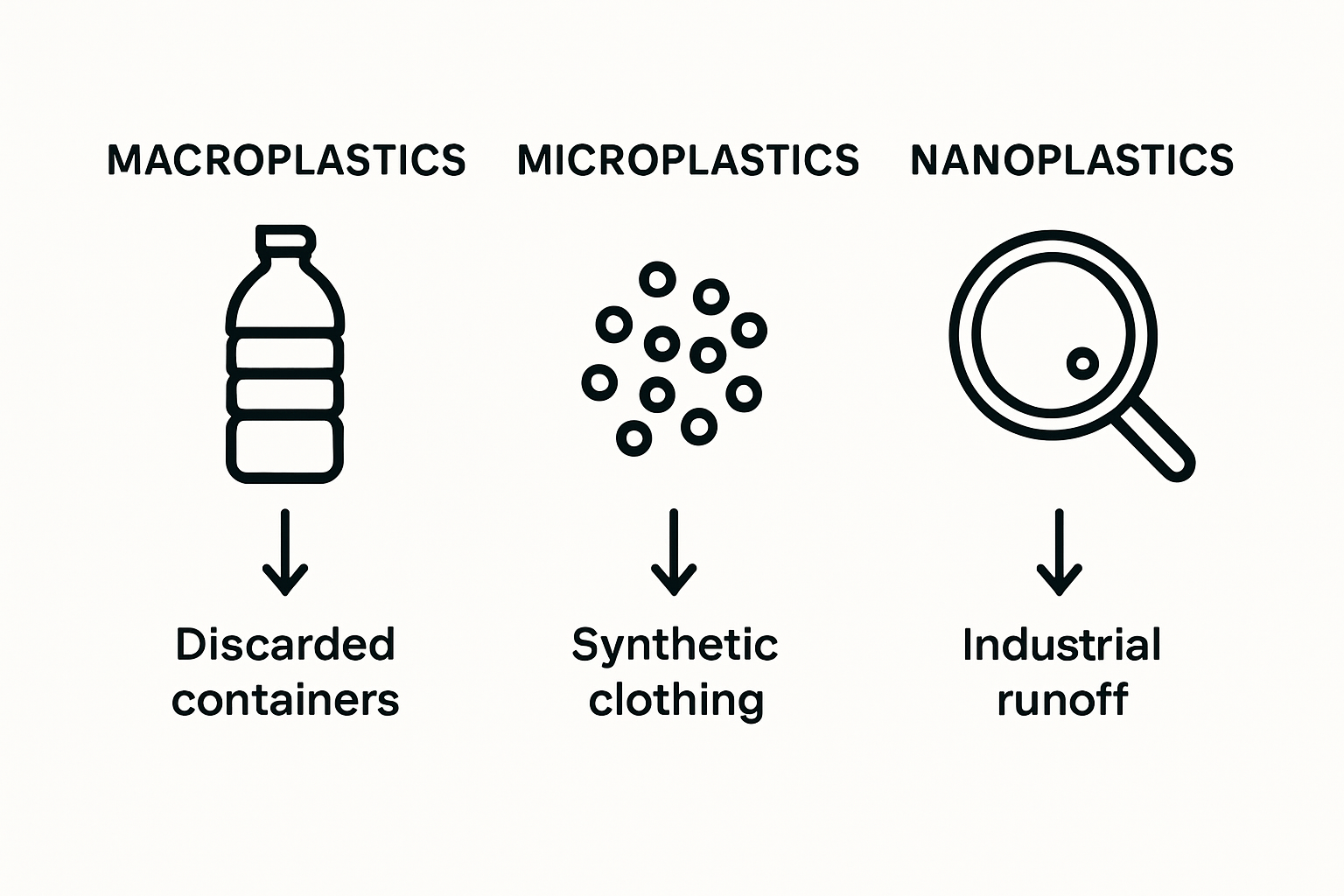
Marine environments face particularly significant threats from plastic pollution. Comprehensive studies on marine plastic waste reveal that ocean ecosystems absorb substantial quantities of plastic debris through multiple channels. Urban runoff, shipping activities, and improper waste disposal contribute to a complex network of plastic contamination. Nanoplastics represent the most insidious category, with particles smaller than one micrometer capable of penetrating cellular structures and potentially entering food chains, posing significant ecological and potential health risks.
The diversity of plastic pollution sources underscores the complexity of addressing this global environmental challenge. From industrial manufacturing to consumer behaviors, multiple systemic factors contribute to the continuous introduction of plastic particles into natural ecosystems. Understanding these diverse pollution types is crucial for developing targeted strategies to mitigate environmental degradation and protect global ecological systems.
How Plastic Impacts Ecosystems and Wildlife
Plastic pollution represents a devastating threat to global ecosystems, causing widespread disruption across multiple biological systems. Scientific reports highlight the severe consequences of plastic contamination, documenting tens of thousands of wildlife deaths annually and exposing vulnerable populations to toxic environmental hazards.
Marine ecosystems suffer particularly dramatic impacts from plastic intrusion. Microplastic contamination creates complex biological challenges as these microscopic particles infiltrate aquatic food chains, causing physiological damage to marine organisms. Smaller marine species like plankton and filter-feeding creatures inadvertently consume these particles, which then bioaccumulate through successive predatory levels, ultimately potentially reaching human food sources.
Wildlife encounters multiple devastating consequences from plastic pollution. Marine animals frequently mistake plastic debris for food, leading to fatal digestive blockages and nutritional deficiencies. Seabirds, marine mammals, and fish populations experience significant population reductions as plastic consumption interferes with reproductive capabilities and overall species health. Terrestrial animals similarly face risks, with plastic waste creating physical entanglement hazards and introducing toxic chemical compounds into their habitats.

The ecological impact extends beyond immediate wildlife mortality. Plastic pollution fundamentally disrupts ecosystem balance by introducing persistent synthetic materials that do not naturally decompose. These materials alter soil chemistry, water quality, and interrupt critical biological processes, creating long-term environmental challenges that threaten biodiversity and ecological sustainability across multiple global ecosystems.
Risks for Foodservice and Hospitality Operators
Plastic contamination presents substantial operational challenges for foodservice and hospitality businesses. Scientific research reveals critical risks associated with plastic use, including potential health hazards and significant environmental compliance requirements that can impact business reputation and operational sustainability.
Microplastic contamination represents a profound concern for food and beverage providers. These microscopic particles can potentially infiltrate food preparation systems, cooking equipment, and consumable products, creating complex health and safety challenges. Restaurants, cafes, hotels, and catering services must now consider plastic particle contamination as a critical quality control issue, requiring comprehensive monitoring and mitigation strategies to protect consumer health and maintain regulatory compliance.
Operational risks extend beyond immediate health concerns. Businesses face potential regulatory penalties, increased waste management costs, and reputational damage from inappropriate plastic usage. Environmental regulations are becoming increasingly stringent, with many jurisdictions implementing strict guidelines about single-use plastics and waste management. Hospitality operators must proactively develop comprehensive sustainability protocols that address plastic reduction, alternative material sourcing, and waste management to remain competitive and socially responsible.
The financial implications of plastic pollution are significant. Beyond direct contamination risks, businesses may encounter increased operational expenses related to plastic waste management, potential legal liabilities, and the need to invest in sustainable infrastructure. Forward-thinking foodservice operators are recognizing that plastic pollution mitigation is not just an environmental imperative but a critical business strategy for long-term sustainability and consumer trust.
Sustainable Solutions and Industry Alternatives
Sustainable innovation is critical in addressing the global plastic pollution challenge. Scientific research highlights emerging strategies for developing comprehensive alternatives that can dramatically reduce environmental impact across multiple industries.
Biodegradable materials represent a promising frontier in sustainable product development. Industries are increasingly exploring plant-based alternatives, advanced polymer technologies, and circular economy approaches that prioritize material regeneration over traditional single-use models. Innovative solutions include developing plastics derived from agricultural waste, mushroom-based packaging, seaweed-derived containers, and advanced composting technologies that enable complete material breakdown without environmental contamination.
Technological advancements are transforming waste management and recycling infrastructure. Advanced sorting technologies, chemical recycling processes, and artificial intelligence-driven waste identification systems are creating more efficient pathways for material recovery. Companies are developing closed-loop manufacturing systems that transform plastic waste into new product components, effectively reducing virgin material consumption and minimizing environmental footprint.
Industry-wide transformation requires collaborative approaches combining technological innovation, policy frameworks, and consumer education. Successful sustainable solutions demand multifaceted strategies that address systemic challenges across production, consumption, and disposal cycles. By integrating cutting-edge materials science, circular economic principles, and comprehensive regulatory approaches, businesses can develop meaningful alternatives that protect environmental ecosystems while maintaining operational efficiency.
Take a Stand Against Plastic Pollution with Sustainable Straw Solutions
The urgent environmental impacts described in the article around plastic pollution call for immediate and effective action from foodservice and hospitality operators. With microplastics infiltrating ecosystems and threatening wildlife as well as human health, the need to reduce single-use plastics has never been clearer. Businesses seeking to align with sustainability goals and reduce operational risks can start by switching to innovative, eco-friendly alternatives crafted from plant-based and wood materials.
Discover how TheOceanStraw.com offers durable, reusable drinking straws designed to eliminate plastic waste without sacrificing performance or safety. Our solutions support your commitment to protecting ecosystems and minimizing microplastic contamination in your service environments. Join the growing community of hospitality leaders transforming their plastic footprint by exploring our products and taking advantage of wholesale options tailored for your business needs. Act now to contribute to a healthier planet and enhance your brand’s sustainability reputation.
Frequently Asked Questions
What is plastic pollution and why is it a concern?
Plastic pollution refers to the accumulation of plastic materials in the environment, posing serious threats to ecosystems, wildlife, and human health. It arises from poor waste management and excessive use of plastic, leading to contamination of air, water, and soil.
What types of plastics contribute to environmental pollution?
Plastic pollution can be categorized into macroplastics (large visible items like bottles and packaging), microplastics (tiny fragments less than 5mm), and nanoplastics (particles smaller than one micrometer), each posing unique environmental risks.
How does plastic pollution impact marine life specifically?
Plastic pollution in marine environments poses dangers such as ingestion of plastic debris by marine animals, leading to digestive blockages, malnutrition, and potential entry of toxic substances into the food chain, affecting both wildlife and humans.
What sustainable alternatives can help reduce plastic pollution?
Sustainable alternatives to traditional plastics include biodegradable materials made from plant-based resources, advanced recycling technologies, and circular economy approaches that prioritize material regeneration and minimize plastic waste.