
Environmental Impact of Plastic Recycling – What Food Businesses Need to Know

Less than 10 percent of plastic waste in American communities actually gets recycled each year, leaving most of it to pile up in landfills or drift into natural environments. For food businesses, this reality means much more than dealing with trash—it raises questions about environmental responsibility, packaging choices, and long-term impacts. Get clarity on the realities of plastic recycling, the roadblocks every American business faces, and the practical steps that drive real sustainability.
Table of Contents
- Defining Plastic Recycling and Its Realities
- Major Types of Plastic and Recycling Processes
- Benefits and Drawbacks in Current Practice
- Environmental Risks and Global Challenges
- Reusable Alternatives for Lasting Sustainability
Key Takeaways
| Point | Details |
|---|---|
| Understanding Recycling Complexity | Plastic recycling involves varied techniques for different polymer types, complicating effective waste management. |
| Challenges in Recycling Efficiency | Current methods are highly inefficient, with less than 10% of plastic waste being successfully recycled. |
| Importance of Sustainable Practices | Food businesses need to adopt comprehensive waste management strategies and prioritize recyclable materials. |
| Emerging Solutions for Sustainability | Investing in bioplastics and advanced recycling technologies can significantly reduce environmental impacts. |
Defining Plastic Recycling and Its Realities
Plastic recycling represents a complex environmental challenge that extends far beyond simple waste management. At its core, plastic recycling involves transforming discarded plastic materials into new products, but the process is significantly more nuanced and challenging than most food businesses realize. Understanding the complex effects of plastic on our environment reveals the intricate nature of this sustainability effort.
The reality of plastic recycling is starkly different from public perception. Mechanical recycling represents the most common method, where plastics are sorted, cleaned, shredded, melted, and reformed into new products. However, this process is critically limited by several key factors. Research from leading environmental studies highlights significant challenges including poor polymer design, contaminated waste streams, and inadequate recycling infrastructure. These limitations mean that only a tiny fraction of plastic waste actually gets successfully recycled.
Food businesses must understand that not all plastics are created equal in the recycling ecosystem. Different polymer types require distinct processing techniques, and many packaging materials are composite or multi-layered, making them extremely difficult to recycle effectively. Certain plastics, like those used in food packaging, often contain food residues or chemical additives that further complicate the recycling process. The result is a system where most plastic waste ends up in landfills or enters natural ecosystems, creating long-term environmental consequences.
To effectively address plastic waste, food businesses need a multifaceted approach. This involves:
- Minimizing single-use plastic consumption
- Selecting recyclable packaging materials
- Working with suppliers who prioritize sustainable packaging solutions
- Implementing robust waste sorting and management practices
- Supporting innovations in biodegradable and compostable alternatives
Understanding these recycling realities is the first step toward meaningful environmental responsibility in the food service industry.
Major Types of Plastic and Recycling Processes
The world of plastic recycling is far more complex than most food businesses recognize, with multiple plastic types requiring distinct processing approaches. Understanding mechanical and chemical recycling techniques provides critical insight into this intricate ecosystem. Food businesses must comprehend the nuanced landscape of plastic materials to make informed sustainability decisions.
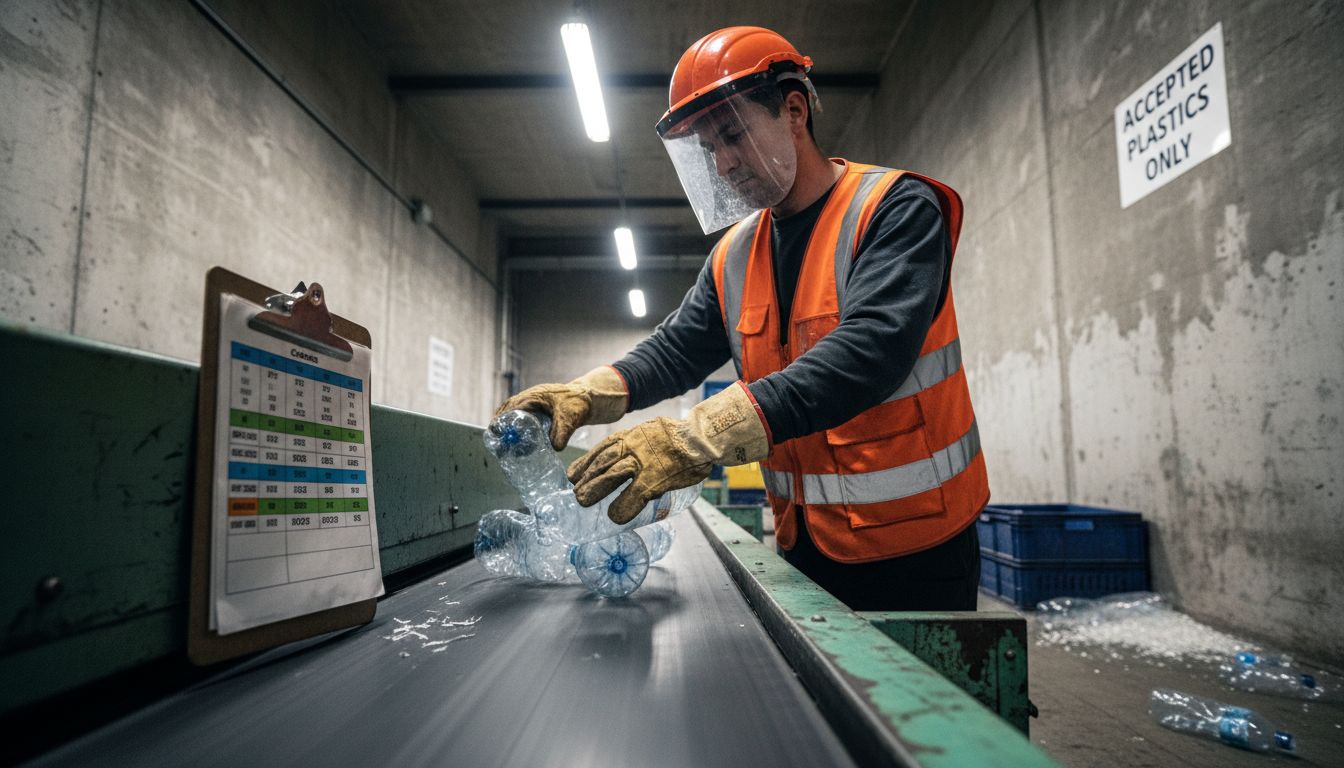
Polymer classification plays a crucial role in recycling effectiveness. Research examining plastic resin types reveals six primary plastic categories, each with unique chemical compositions and recycling challenges. These include Polyethylene Terephthalate (PET), High-Density Polyethylene (HDPE), Polyvinyl Chloride (PVC), Low-Density Polyethylene (LDPE), Polypropylene (PP), and Polystyrene (PS). Each type demands specialized processing techniques to effectively transform waste into reusable materials.
Different recycling processes address specific plastic challenges. Mechanical recycling involves physically reprocessing plastics by shredding, washing, melting, and reforming materials. Chemical recycling represents a more advanced technique that breaks down polymer chains into their fundamental chemical components, allowing for more comprehensive material regeneration. Polymer upcycling techniques demonstrate promising innovations that can transform problematic plastic waste into valuable resources.
For food businesses committed to sustainable practices, understanding these recycling nuances is critical. Key considerations include:
- Identifying the specific plastic types used in packaging
- Evaluating the recyclability of current material selections
- Collaborating with suppliers who prioritize recyclable materials
- Implementing robust waste sorting and management protocols
- Exploring alternative packaging solutions with higher recyclability
By developing a comprehensive approach to plastic waste management, food businesses can significantly reduce their environmental footprint and contribute to more sustainable industry practices.
Benefits and Drawbacks in Current Practice
The current landscape of plastic recycling presents a complex matrix of environmental challenges and potential solutions. Understanding the environmental damage created by plastic reveals the critical importance of evaluating existing recycling practices with a critical eye. Food businesses must navigate this nuanced terrain carefully to minimize their ecological footprint.
Comprehensive research on plastic recycling effectiveness highlights significant benefits and drawbacks in current practices. The primary advantages include resource conservation, reduced landfill waste, and potential energy savings from reprocessing materials. However, the stark reality is that current recycling methods suffer from critically low efficiency rates. Most plastic waste still ends up in environmental systems, with less than 10% of global plastic actually being successfully recycled.
Mechanical property variability represents a significant challenge in plastic recycling processes. Innovative bio-inspired design approaches are emerging to address the inconsistent quality of recycled plastics, which often limits their reusability. The recycling process typically degrades material strength and performance, making it difficult to create high-quality products from recycled materials. This technical limitation creates a significant barrier to widespread adoption of circular plastic economy strategies.
For food businesses committed to sustainable practices, understanding these nuanced challenges is critical. Key strategic considerations include:
- Recognizing the limitations of current recycling technologies
- Investing in advanced recycling research and development
- Prioritizing waste reduction over recycling
- Exploring alternative packaging materials
- Supporting innovative recycling technologies
By adopting a holistic and realistic approach to plastic waste management, food businesses can contribute meaningfully to environmental sustainability while driving industry-wide improvements.
Environmental Risks and Global Challenges
Plastic pollution represents an escalating global environmental crisis that demands immediate and comprehensive action from businesses across all sectors. Understanding the single use plastic impact on environment reveals the profound interconnected risks facing our planetary ecosystem.
Comprehensive research on global plastic pollution challenges highlights the devastating environmental consequences of inadequate waste management. Microplastics now permeate every ecosystem, from the deepest ocean trenches to remote mountain ranges, with potentially catastrophic implications for biodiversity. These microscopic plastic fragments contaminate food chains, disrupt marine habitats, and pose significant health risks to both wildlife and human populations.
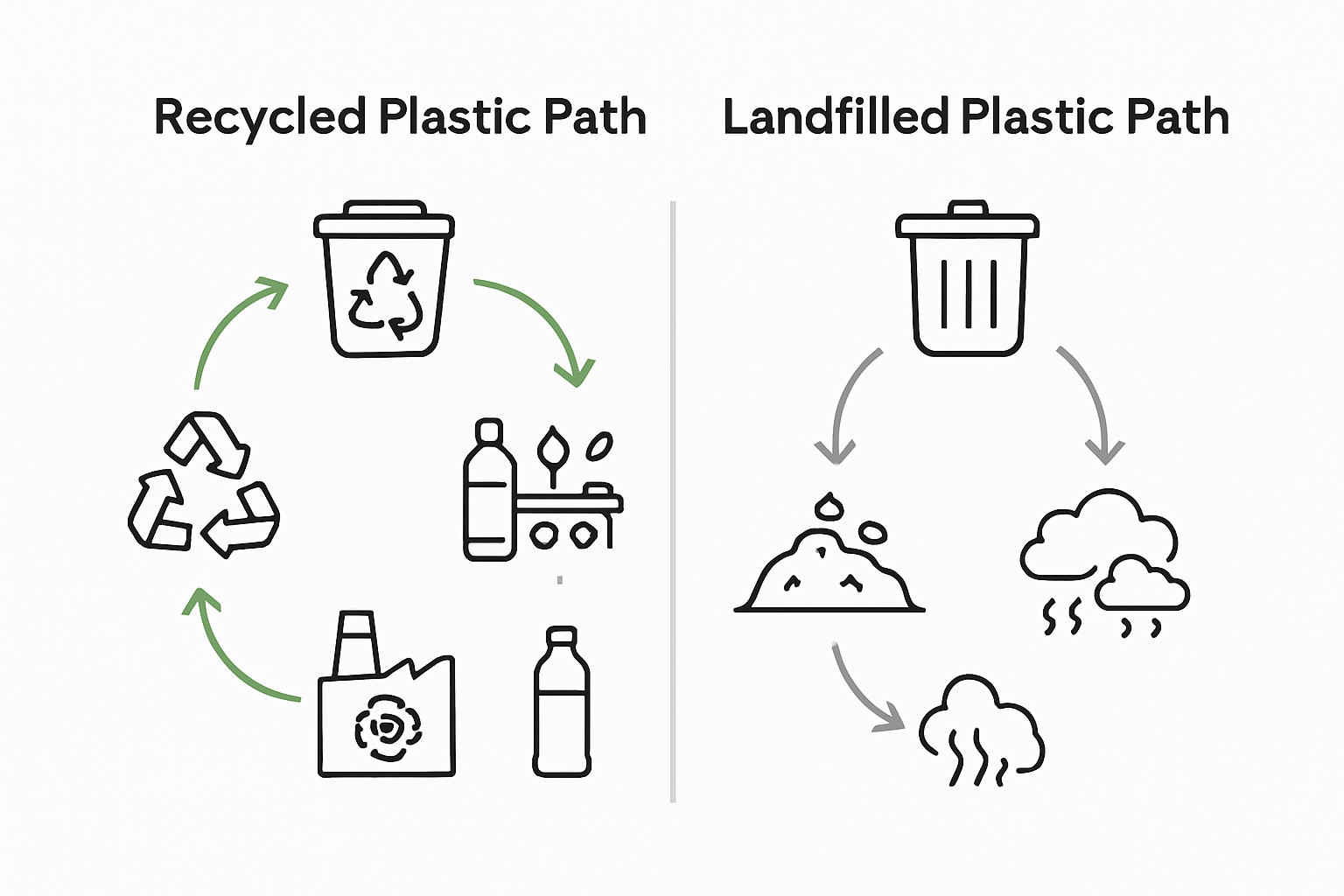
Innovative technological solutions are emerging to address these complex environmental challenges. Advanced catalytic approaches demonstrate promising strategies for transforming plastic waste into valuable resources, such as converting plastic materials into hydrogen through sophisticated photoreforming techniques. These breakthrough technologies offer hope for mitigating the environmental risks associated with traditional plastic waste management.
For food businesses committed to sustainable practices, addressing these global challenges requires a multifaceted approach:
- Implementing rigorous waste reduction strategies
- Investing in circular economy technologies
- Supporting research into advanced recycling methodologies
- Developing alternative packaging solutions
- Educating stakeholders about environmental impacts
By recognizing the profound environmental risks and proactively developing comprehensive solutions, food businesses can play a crucial role in mitigating the global plastic pollution crisis.
Reusable Alternatives for Lasting Sustainability
Sustainability demands innovative solutions that transcend traditional single-use plastic paradigms. Understanding environmentally friendly products provides critical insights into transformative approaches that can revolutionize waste management strategies for food businesses.
Bioplastic technologies represent a promising frontier in sustainable materials development. Advanced research explores biodegradable polymer blends that can potentially replace conventional plastics with environmentally responsible alternatives. These innovative materials are engineered to decompose more efficiently, reducing long-term environmental contamination while maintaining the functional properties that food businesses require.
Cutting-edge catalytic technologies are emerging as powerful tools for transforming plastic waste into valuable resources. By utilizing sophisticated high-entropy oxynitride catalysts, researchers can now convert plastic materials into hydrogen and other valuable products, effectively closing the waste management loop. This approach represents a paradigm shift from traditional disposal methods toward a more circular and sustainable economic model.
For food businesses committed to meaningful sustainability, key strategies include:
- Adopting biodegradable packaging materials
- Investing in reusable container systems
- Supporting research into advanced material technologies
- Implementing comprehensive waste reduction protocols
- Educating customers about sustainable consumption practices
By embracing these innovative alternatives, food businesses can significantly reduce their environmental footprint while positioning themselves as responsible leaders in sustainable industry practices.
Take Control of Plastic Waste with Sustainable Solutions
Food businesses face daunting challenges with plastic recycling inefficiencies and environmental risks detailed in the article “Environmental Impact of Plastic Recycling – What Food Businesses Need to Know.” Contamination, inconsistent polymer types, and limited recycling infrastructure create major obstacles to reducing plastic pollution. Your business can go beyond these struggles by embracing smarter, reusable alternatives that align with your sustainability goals.
At TheOceanStraw.com, we provide eco-friendly, durable, and biodegradable drinking straws made from innovative wood and plant-based materials designed specifically for foodservice and hospitality industries. These straws offer a practical way to dramatically cut back on single-use plastic consumption while promoting a safer planet. Learn how switching to our reusable products supports your commitment to reducing environmental harm, minimizing waste processing challenges, and elevating your green credentials.
Ready to transform your environmental impact and join industry leaders in sustainability? Explore our range of sustainable straw solutions today. Contact us via our website to request samples or set up wholesale partnerships. Act now to make a lasting difference where plastic recycling falls short and stand out as a responsible, eco-conscious food business.
Frequently Asked Questions
What is plastic recycling, and why is it important for food businesses?
Plastic recycling involves transforming discarded plastic materials into new products, addressing environmental challenges. It’s important for food businesses to understand this process to minimize waste and improve sustainability practices.
What are the main types of plastics, and how do they impact recycling efforts?
The main types of plastics include PET, HDPE, PVC, LDPE, PP, and PS. Each type has unique processing needs and challenges, which can complicate effective recycling and impact the overall recycling rate.
What challenges do food businesses face when trying to recycle plastic packaging?
Challenges include contaminated waste streams, inadequate recycling infrastructure, and the complexities of different polymer types. Additionally, food residues and chemical additives can further complicate the recycling process.
How can food businesses adopt more sustainable practices regarding plastic waste?
Food businesses can minimize single-use plastic, select recyclable packaging, implement robust sorting practices, and explore biodegradable alternatives to support sustainability and reduce environmental impact.
Recommended
- Understanding the Effects of Plastic on Environment – The Ocean Straw
- Understanding Environmental Damage Created by Plastic – The Ocean Straw
- Social Impacts of Plastic Pollution: Complete Guide – The Ocean Straw
- Plastic Pollution Environmental Impact: Complete Guide – The Ocean Straw
- Sustainable Fragrance Production: The Future of UK Scents
- What is Green Web Hosting? A Guide for Modern Businesses (2025)|BM