
Harmful Effects of Plastic on Environment – Why Foodservice Matters

Plastic waste is no longer just a distant problem for ocean habitats but a clear threat to every part of the foodservice sector worldwide. As the industry relies on plastics for packaging and single-use items, the result is a relentless cycle of waste that disrupts environments and impacts public health far beyond the kitchen. Environmental managers seeking to shift toward sustainable alternatives to single-use plastics—like reusable straws—will discover practical ways to reduce pollution risk and demonstrate true eco-leadership.
Table of Contents
- Defining Plastic Pollution and Environmental Impact
- Types of Plastics Used in Foodservice
- How Plastic Pollutes Terrestrial and Aquatic Ecosystems
- Health and Economic Consequences of Plastic Waste
- Comparing Sustainable Alternatives to Single-Use Plastics
Key Takeaways
| Point | Details |
|---|---|
| Plastic Pollution is a Global Crisis | Tackling plastic pollution requires coordinated global efforts across production, waste management, and sustainable design practices. |
| Health Risks from Plastic Waste | Chemical exposure from plastics leads to serious health issues, disproportionately affecting vulnerable populations, especially in developing regions. |
| Sustainable Alternatives are Essential | Transitioning to sustainable packaging options can significantly reduce environmental impacts, but requires thorough evaluations of lifecycle, cost, and consumer acceptance. |
| Comprehensive Waste Management Needed | Effective waste management strategies must prioritize plastic reduction, recycling, and proper disposal to minimize ecosystem contamination. |
Defining Plastic Pollution and Environmental Impact
Plastic pollution represents a profound global environmental challenge with far-reaching consequences for ecosystems and human health. Widespread plastic contamination stems from decades of unsustainable production and disposal practices that have fundamentally disrupted natural environments.
At its core, plastic pollution encompasses the extensive accumulation of synthetic materials across terrestrial and marine ecosystems. Since the mid-20th century, global plastic production has skyrocketed, creating unprecedented waste challenges. Key characteristics of this environmental crisis include:
- Persistent material composition that resists natural decomposition
- Widespread contamination of oceans, rivers, and terrestrial landscapes
- Toxic chemical leaching that damages biological systems
- Long-term environmental degradation affecting multiple species
The scale of plastic pollution is staggering. Billions of tons of plastic have been produced globally, with less than 10% effectively recycled. Marine ecosystems bear a particularly heavy burden, with millions of tons of plastic waste entering oceans annually. Plastic contamination threatens global biodiversity through direct physical harm and complex biochemical interactions.
Environmental Impact Dimensions include contamination of:
- Water systems and marine habitats
- Soil and agricultural landscapes
- Atmospheric particulate content
- Wildlife and human food chains
Plastic pollution represents more than a waste management problem – it is a systemic environmental challenge requiring comprehensive global intervention. Addressing this crisis demands coordinated efforts across industrial production, waste management, and sustainable design practices.
Pro Tip: Reduce single-use plastic consumption by investing in reusable alternatives and supporting organizations committed to sustainable material solutions.
Types of Plastics Used in Foodservice
The foodservice industry relies on a diverse range of plastic materials designed for specific functional requirements. Resin identification codes help categorize these materials, each with unique properties that make them suitable for different food-related applications.
Key plastic types commonly used in foodservice include:
- Polyethylene Terephthalate (PETE): Transparent, lightweight packaging
- High-Density Polyethylene (HDPE): Rigid containers and milk jugs
- Polyvinyl Chloride (PVC): Food wraps and packaging films
- Polypropylene (PP): Durable food containers and cutlery
- Polystyrene (PS): Disposable cups and takeout containers
These plastics are selected based on critical performance characteristics such as chemical resistance, heat tolerance, and food safety compliance. Plastic materials in food processing involve complex considerations beyond mere functionality.
Chemical Composition Concerns emerge from potential toxicity of additives like phthalates and Bisphenol A (BPA). While these plastics provide exceptional utility, ongoing research highlights potential health risks associated with prolonged exposure and chemical leaching.
Understanding plastic types helps foodservice professionals make informed decisions about material selection, balancing practical needs with environmental and health considerations. The industry increasingly prioritizes safer, more sustainable plastic alternatives that minimize potential risks.
Environmental Impacts by Plastic Type:
Here’s a comparison of common plastic types used in foodservice by recyclability, health risks, and typical usage:
| Plastic Type | Recyclability | Potential Health Risks | Typical Foodservice Use |
|---|---|---|---|
| PETE | High | Low if BPA-free | Beverage bottles, trays |
| HDPE | Moderate | Low if food-grade | Milk jugs, storage bins |
| PVC | Low | Phthalate exposure | Food wraps, packaging films |
| PP | Moderate | BPA concerns possible | Cutlery, containers |
| PS | Difficult | Styrene exposure | Cups, takeout boxes |
- PETE: Highly recyclable, common in beverage bottles
- HDPE: Moderate recyclability, used in rigid containers
- PVC: Low recyclability, potential health concerns
- PP: Moderate recyclability, heat-resistant
- PS: Difficult to recycle, potential environmental burden
Pro Tip: Request material safety data sheets for plastic products and prioritize food-grade, BPA-free options in your foodservice operations.
How Plastic Pollutes Terrestrial and Aquatic Ecosystems
Plastic pollution disrupts complex ecosystem dynamics through widespread contamination of terrestrial and aquatic environments. These synthetic materials introduce persistent pollutants that fundamentally alter natural habitats and biological systems.
Plastic pollution follows multiple contamination pathways:
- Industrial discharge and runoff
- Atmospheric deposition
- Direct littering and waste mismanagement
- Fragmentation of larger plastic materials
- Agricultural contamination
Terrestrial Ecosystem Impact involves significant soil and landscape degradation. Microplastics penetrate soil structures, reducing fertility and disrupting microbial communities. These tiny particles accumulate in agricultural lands, potentially entering food chains and compromising ecosystem health.
Aquatic Ecosystem Contamination represents an even more severe challenge. Watershed plastic transport mechanisms demonstrate how plastics move through river systems, ultimately reaching oceans. Aquatic organisms face multiple threats:
- Direct physical entanglement
- Microplastic ingestion
- Habitat destruction
- Chemical contamination
- Bioaccumulation in food webs
The global reach of plastic pollution means no ecosystem remains untouched. From mountain streams to deep ocean trenches, these synthetic materials create long-lasting environmental disruptions that challenge natural regenerative processes.
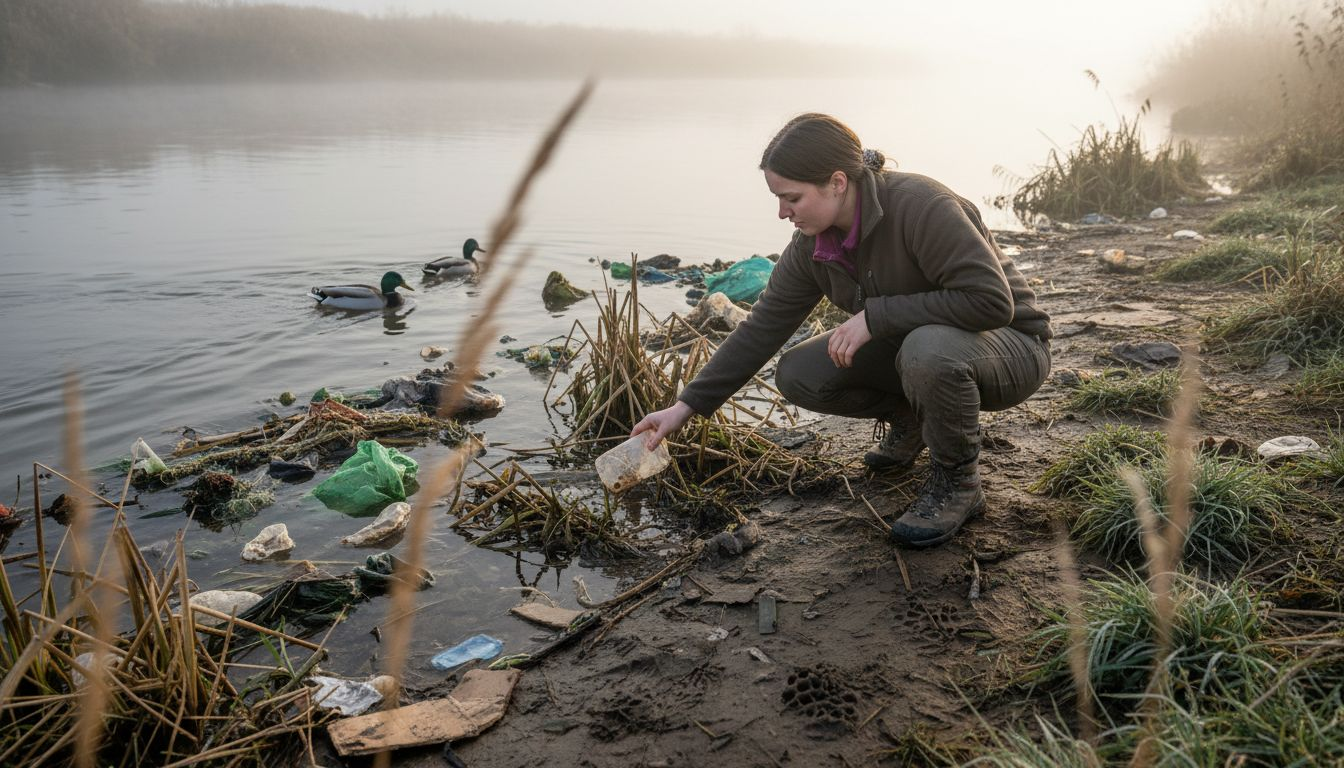
Pro Tip: Implement comprehensive waste management strategies that prioritize plastic reduction, recycling, and proper disposal to minimize ecosystem contamination.
Health and Economic Consequences of Plastic Waste
Plastic waste generates substantial health risks that extend far beyond immediate environmental concerns. These risks disproportionately affect vulnerable populations, particularly in developing regions where waste management infrastructure remains limited.
Health impacts of plastic pollution encompass multiple critical domains:
- Respiratory complications from toxic chemical exposure
- Endocrine system disruption
- Potential carcinogenic risks
- Compromised immune system functioning
- Reproductive health challenges
Economic Consequences of plastic waste are profound and multifaceted. Global plastic pollution costs extend across numerous economic sectors, creating financial burdens that far exceed the initial production costs of plastic materials.
The economic impact spans multiple critical areas:
- Healthcare system expenses
- Environmental cleanup costs
- Productivity losses
- Agricultural and fishery disruptions
- Tourism industry degradation
Informal waste management sectors face particularly significant challenges, with workers often exposed to hazardous conditions that compromise both health and economic stability. The systemic costs of plastic pollution create a complex economic challenge requiring comprehensive policy interventions and circular economy approaches.
Pro Tip: Invest in comprehensive waste reduction strategies and support businesses implementing sustainable material alternatives to mitigate long-term health and economic risks.
Comparing Sustainable Alternatives to Single-Use Plastics
Sustainable packaging alternatives are transforming the foodservice industry’s approach to environmental responsibility. These innovative solutions go beyond simple material substitution, representing a comprehensive strategy to reduce plastic waste and minimize ecological impact.
Key sustainable material alternatives include:
- Natural fibers: Bamboo, sugarcane, and hemp-based products
- Biopolymers: Polylactic acid (PLA) derived from biomass
- Traditional materials: Glass, paper, and ceramic containers
- Compostable materials: Molded fiber and plant-based packaging
- Reusable systems: Durable containers with multiple use cycles
Comparative Performance Metrics reveal complex trade-offs among alternatives. Life cycle assessments of sustainable materials demonstrate that reusable options can significantly reduce environmental impacts after multiple uses, though production processes vary in energy consumption and emissions.
The transition to sustainable alternatives involves multiple considerations:
- Production costs
- Consumer acceptance
- Waste management infrastructure
- Environmental impact assessment
- Scalability of alternative solutions
Successful implementation depends on local production capabilities, comprehensive consumer education, and strategic investment in circular economy principles. Foodservice businesses must carefully evaluate each alternative’s specific environmental and economic implications.
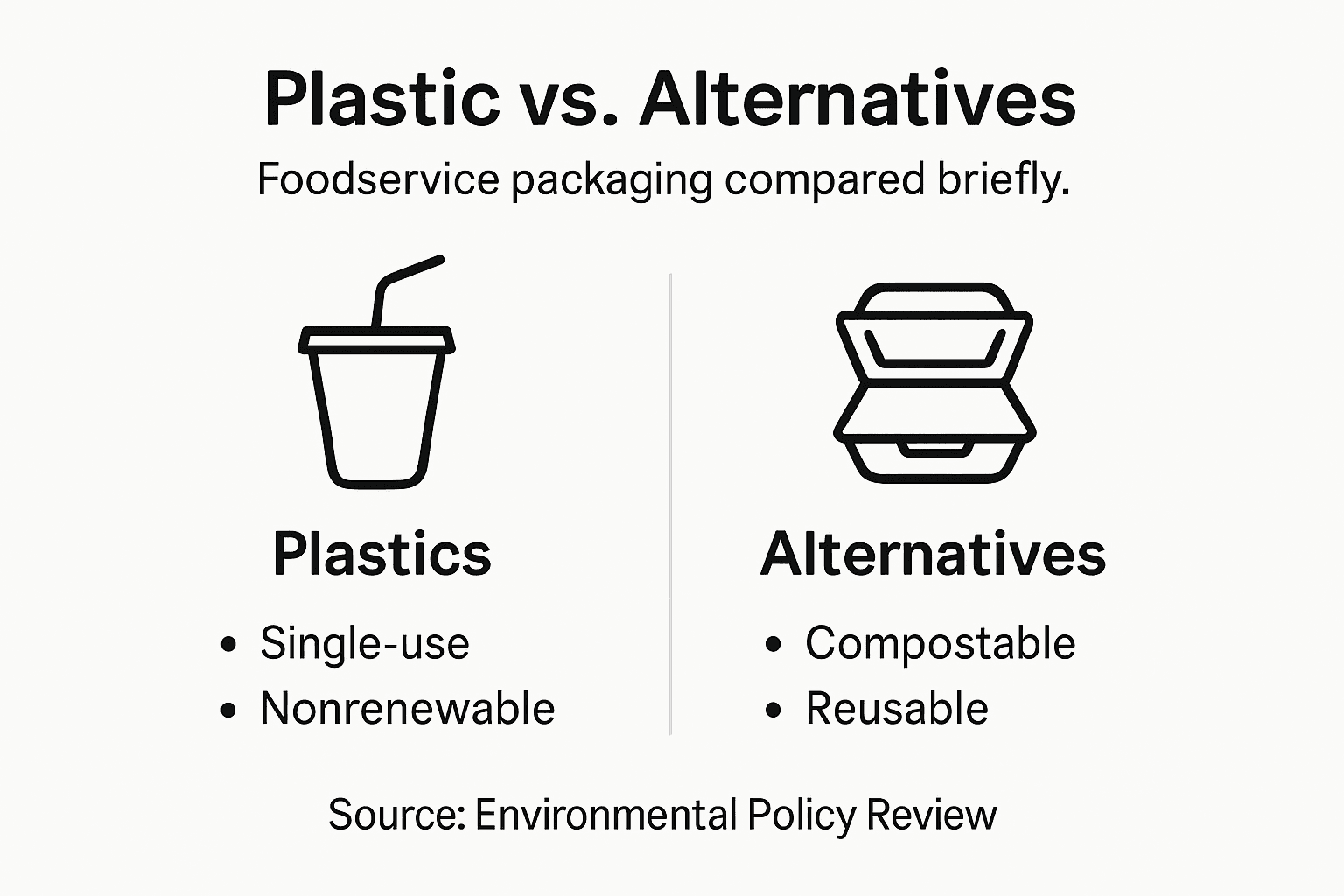
The following table summarizes key differences between single-use plastics and sustainable alternatives for foodservice:
| Criteria | Single-Use Plastics | Sustainable Alternatives |
|---|---|---|
| Lifecycle Impact | Persistent waste | Compostable or reusable |
| Material Source | Fossil fuels | Plants or minerals |
| Consumer Appeal | Convenience | Eco-conscious image |
| Waste Management | Challenging | Easier disposal, recycling |
| Adoption Barrier | Low cost | Higher upfront investment |
Pro Tip: Conduct a comprehensive life cycle analysis of potential sustainable alternatives before full implementation to understand their true environmental and economic impact.
Take Action Against Plastic Pollution in Foodservice Today
The article highlights the urgent challenge foodservice faces with persistent plastic pollution harming ecosystems and human health. Plastic waste from single-use products creates long-lasting environmental damage while exposing communities to toxic chemicals. The urgent need to reduce reliance on harmful plastics calls for durable, safe, and sustainable alternatives that align with the article’s emphasis on compostable and reusable solutions.
TheOceanStraw.com offers an innovative answer by providing eco-friendly, reusable straws made from wood and plant-based materials. These straws are designed to reduce single-use plastic waste in the hospitality industry while ensuring durability and biodegradability. By choosing alternatives that prevent plastic leaching and reduce environmental contamination, your business can directly support ecosystem health and advance your sustainability goals.
Explore how you can replace damaging plastic straws with sustainable options today by visiting TheOceanStraw.com. Learn more about their product benefits, certifications, and wholesale opportunities to empower your foodservice operations with responsible practices. Make the switch now to contribute to cleaner oceans and safer communities while enhancing your eco-friendly brand identity.
Frequently Asked Questions
What are the main environmental impacts of plastic pollution?
Plastic pollution primarily affects water systems, soil health, and wildlife. It leads to the contamination of oceans and rivers, soil degradation, and disrupts food chains, harming both ecological balance and human health.
How do different types of plastics affect food safety in the foodservice industry?
Different plastics have varying health risks. For example, PVC can expose food to harmful phthalates, while PETE and HDPE are generally considered safer for food contact, provided they are food-grade and BPA-free.
What are some sustainable alternatives to single-use plastics in foodservice?
Sustainable alternatives include natural fibers (like bamboo and sugarcane), biopolymers (such as PLA), glass, paper, and reusable container systems. These materials help reduce environmental impact compared to traditional single-use plastics.
How can foodservice businesses reduce their plastic footprint?
Foodservice businesses can reduce their plastic footprint by opting for sustainable packaging alternatives, implementing recycling programs, and educating consumers about the importance of minimizing single-use plastics.
Recommended
- Harmful Effects of Plastic on Environment – Why Foodservice Matters – The Ocean Straw
- Effect of Single-Use Plastic on Our Environment – The Ocean Straw
- Environmental Impact of Plastic Packaging – Risks and Solutions – The Ocean Straw
- Effects of Plastic Pollution on Environment – Key Impacts – The Ocean Straw
- Change thats baked in: How our family run bakery is responding to the – St Mawes bakery, family run bakery.