
Harmful Effects of Plastic – Impact on Health and Environment

Single-use plastic items are everywhere from takeaway lids to food wrappers cluttering waste bins in cafes and restaurants across every continent. The core threats of plastic pollution are now impossible to ignore as hazardous chemicals like BPA and phthalates leach into our water and food supplies. Nearly eight billion tons of plastic enter aquatic ecosystems annually, releasing toxins linked to respiratory illness, cancer, and hormonal disruption. Discover practical paths for your business to reduce risks and advance safer, eco-friendly alternatives.
Table of Contents
- Plastic Pollution and Its Core Threats
- Major Types of Plastic and Their Risks
- Toxic Additives and Microplastics Explained
- Lifecycle of Plastic: Environmental Impacts
- Human Health Hazards Linked to Plastics
- Eco-Friendly Alternatives and Safer Practices
Key Takeaways
| Point | Details |
|---|---|
| Plastic pollution poses severe health threats | Exposure to toxic additives and microplastics leads to respiratory disorders, endocrine disruption, and increased cancer risks. |
| Developing regions are at higher risk | Inadequate waste management results in substantial health hazards and environmental contamination. |
| Recycling rates are alarmingly low | Less than 10% of global plastic waste is recycled, necessitating immediate action to improve waste management systems. |
| Innovative eco-friendly alternatives are essential | Implementing biodegradable materials and circular economy models can significantly reduce plastic’s environmental impact. |
Plastic Pollution and Its Core Threats
Plastic pollution represents a catastrophic global environmental crisis that transcends geographical boundaries. Hazardous plastic waste enters ecosystems through complex contamination pathways, threatening marine biodiversity and human health with unprecedented scale and intensity.
The magnitude of plastic pollution is staggering. Nearly eight billion tons of plastic infiltrate aquatic ecosystems annually, releasing dangerous chemical compounds such as BPA, dioxins, and phthalates. These substances trigger severe health consequences including:
- Respiratory system disruptions
- Endocrine system interference
- Increased cancer risk factors
- Potential genetic mutations
Developing regions face exponentially higher risks due to inadequate waste management infrastructure. Less than 10% of global plastic waste gets recycled, with the majority being incinerated or dumped in landfills, creating substantial environmental and health hazards.
Plastic pollution is not just an environmental issue - it’s a complex global health challenge that demands immediate, systematic intervention.
The contamination cycle operates through multiple mechanisms, including:
- Soil leaching
- Atmospheric transportation
- Bioaccumulation in food chains
- Direct environmental contamination
Understanding these pathways is crucial for developing comprehensive strategies to mitigate plastic’s destructive impact. Toxic waste byproducts continue to pose significant risks, particularly in vulnerable regions with limited technological resources.
Pro tip: Implement comprehensive plastic reduction strategies in your organization by conducting a thorough waste audit and identifying sustainable alternative materials.
Major Types of Plastic and Their Risks
Plastic materials encompass a complex array of chemical compositions, each presenting unique environmental and health challenges. Common plastic types significantly impact global ecosystems through their diverse chemical structures and disposal characteristics.
The primary categories of plastic materials include:
- Polyethylene (PE): Commonly used in packaging and single-use products
- Polypropylene (PP): Prevalent in food containers and automotive components
- Polyethylene Terephthalate (PET): Primary material for beverage bottles
- Polyvinyl Chloride (PVC): Used in construction and medical equipment
- Polystyrene: Found in disposable food packaging and insulation materials
Toxicity Profiles vary dramatically across these plastic types. Chemical additives in plastics introduce significant health risks through endocrine-disrupting compounds like phthalates and Bisphenol A (BPA).
Different plastic types present distinct environmental and physiological risks, making comprehensive assessment crucial for effective mitigation strategies.
Recycling challenges further complicate plastic management. Most mixed plastics resist economic recycling, with only certain types like PET bottles maintaining relatively high recycling rates. The environmental consequences include:
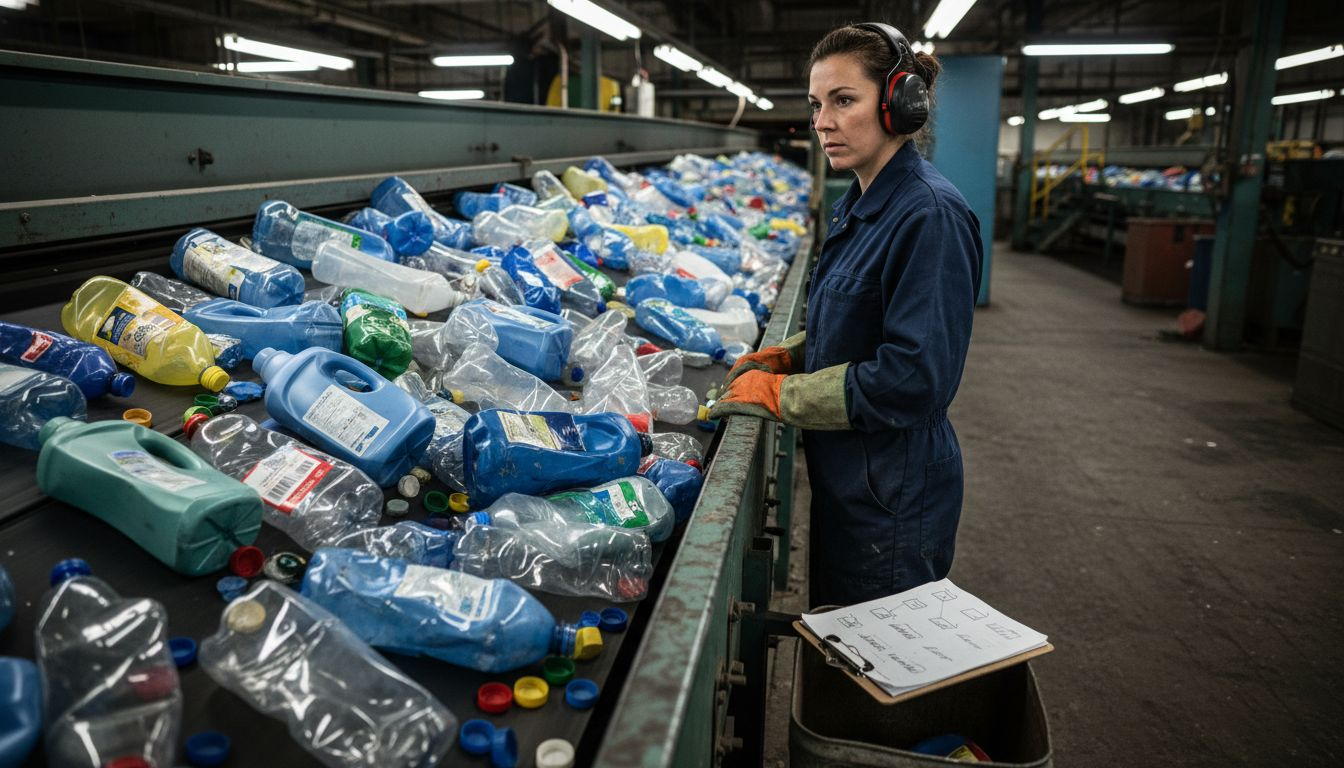
The table below compares the risks and recycling challenges of major plastic types:
| Plastic Type | Common Use | Key Health Risk | Recycling Feasibility |
|---|---|---|---|
| Polyethylene (PE) | Packaging, bags | Endocrine disruption | Low, difficult to separate |
| Polypropylene (PP) | Food containers, auto parts | Hormonal effects | Moderate, requires sorting |
| PET | Beverage bottles | Possible chemical leaching | High, widely recycled |
| PVC | Construction, medical | Releases dioxins | Low, rarely recycled |
| Polystyrene | Food packaging, insulation | Styrene exposure | Low, not commonly recycled |
- Microplastic generation
- Ecosystem contamination
- Bioaccumulation in food chains
- Long-term environmental persistence
Pro tip: Implement a comprehensive plastic identification and sorting system in your organization to improve recycling efficiency and reduce environmental impact.
Toxic Additives and Microplastics Explained
Hazardous chemical additives in plastics represent a profound threat to human health and environmental sustainability. These complex chemical compounds introduce multiple pathways of contamination through various exposure mechanisms, creating long-term risks for biological systems.
The primary toxic additives found in plastic materials include:
- Bisphenol A (BPA): Known endocrine disruptor
- Phthalates: Chemical compounds affecting reproductive health
- Heavy Metals: Persistent environmental contaminants
- Dioxins: Highly toxic industrial byproducts
- Furans: Carcinogenic organic compounds
Microplastics act as dangerous vectors, transporting these toxic substances through environmental and biological systems. Toxic compounds in plastics can bioaccumulate, causing significant health complications including respiratory diseases, hormonal disruptions, and potential carcinogenic effects.
Microplastics represent a silent environmental threat, carrying toxic additives through ecosystems and human biological systems with unprecedented reach and persistence.
The contamination process occurs through multiple mechanisms:
- Direct chemical leaching
- Particle ingestion and inhalation
- Bioaccumulation in food chains
- Environmental distribution through water and air systems
Pro tip: Implement rigorous material screening and prioritize alternatives with minimal toxic additive content to reduce potential health and environmental risks.
Lifecycle of Plastic: Environmental Impacts
Plastic manufacturing processes generate substantial environmental consequences across multiple stages, from production through final disposal. These complex interactions create cascading ecological challenges that extend far beyond initial material creation.
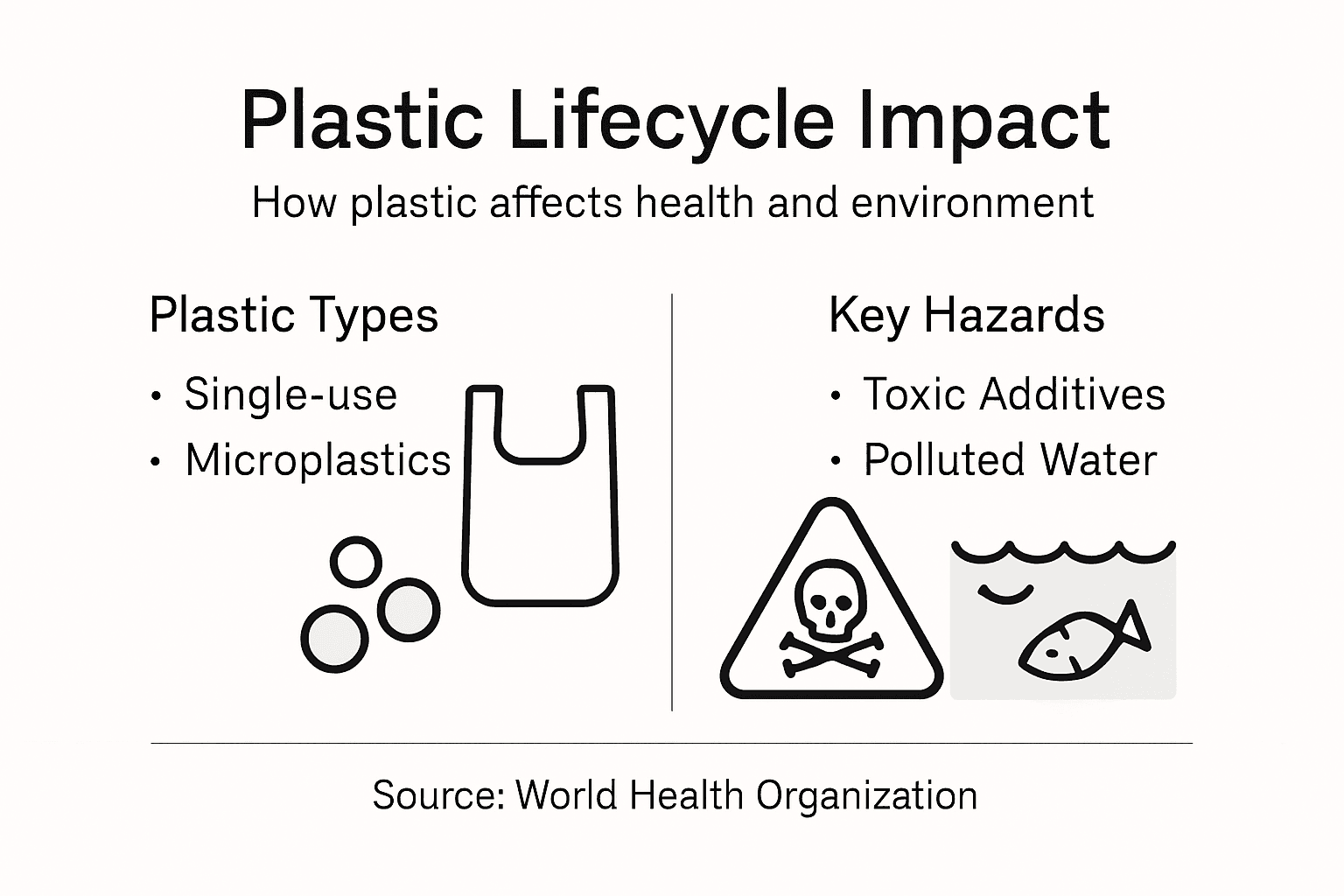
The plastic lifecycle encompasses critical environmental impact zones:
- Resource Extraction: Petroleum-based raw material consumption
- Manufacturing: High energy requirements and carbon emissions
- Product Distribution: Transportation and packaging waste
- Usage Phase: Single-use consumption patterns
- Disposal: Landfilling, incineration, and environmental contamination
Carbon Emissions represent a significant concern throughout plastic production. Global plastic pollution contributes substantially to environmental degradation through persistent contamination mechanisms that infiltrate ecosystems worldwide.
Plastic’s environmental impact transcends individual consumption, representing a systemic challenge requiring comprehensive global intervention.
The environmental contamination process occurs through multiple interconnected mechanisms:
- Chemical leaching into soil and water systems
- Microplastic generation and dispersal
- Toxic emissions during manufacturing
- Long-term ecosystem disruption
- Wildlife habitat destruction
Pro tip: Develop comprehensive waste reduction strategies by conducting thorough environmental impact assessments and prioritizing circular economy principles in your organization.
Human Health Hazards Linked to Plastics
Plastic exposure risks encompass a comprehensive range of health threats that impact human biological systems through multiple contamination pathways. These intricate interactions between chemical additives and human physiology create profound long-term health challenges.
The primary health hazards associated with plastic exposure include:
- Respiratory Disorders: Chronic inflammation and pulmonary complications
- Endocrine Disruption: Hormonal system interference
- Carcinogenic Risks: Potential cancer development mechanisms
- Developmental Disorders: Neurological and reproductive system impacts
- Immune System Suppression: Compromised biological defense mechanisms
Chemical Interactions pose significant risks across different human exposure routes. Global health perspectives highlight the critical need for comprehensive intervention strategies addressing plastic-related health threats.
Plastic pollution represents a multifaceted global health crisis that transcends individual exposure, demanding systemic and collaborative solutions.
The human health contamination mechanisms involve:
- Inhalation of microplastic particles
- Dermal absorption of toxic chemicals
- Ingestion through contaminated food and water
- Bioaccumulation in human tissue systems
- Intergenerational health transmission
Pro tip: Implement comprehensive personal protection strategies by reducing plastic contact, using alternative materials, and conducting regular health screenings for potential plastic-related exposures.
Eco-Friendly Alternatives and Safer Practices
Emerging recycling technologies are revolutionizing approaches to plastic waste management, offering innovative solutions that dramatically reduce environmental and health risks. These advanced methodologies represent a critical paradigm shift in addressing global plastic pollution challenges.
Key eco-friendly alternatives include:
- Biodegradable Materials: Plant-based packaging options
- Chemical Recycling: Advanced breakdown technologies
- Enzymatic Plastic Decomposition: Biological waste management strategies
- Circular Economy Models: Closed-loop production systems
- Sustainable Material Innovations: Alternative resource development
Regulatory Frameworks play a crucial role in driving sustainable practices. Global plastic pollution solutions require comprehensive international cooperation and strategic interventions across multiple sectors.
The following table summarizes eco-friendly alternatives and the main benefits of each approach:
| Alternative Solution | Key Benefit | Limitation |
|---|---|---|
| Biodegradable materials | Reduces landfill waste | Limited in certain climates |
| Chemical recycling | Converts plastics to raw materials | High energy requirement |
| Enzymatic decomposition | Lowers toxic byproducts | Still in early development |
| Circular economy models | Minimizes new production | Requires system redesign |
| Sustainable innovations | Uses renewable resources | Higher initial cost |
Transforming plastic waste management demands collaborative efforts, innovative technologies, and systemic approaches that fundamentally redesign our relationship with plastic materials.
Effective implementation strategies involve:
- Designing products for easy recyclability
- Banning harmful chemical additives
- Improving waste management infrastructure
- Developing advanced recycling technologies
- Promoting consumer awareness and behavior change
Pro tip: Conduct a comprehensive waste audit in your organization to identify specific opportunities for reducing plastic consumption and implementing sustainable alternatives.
Take Action Against Plastic Pollution With Sustainable Straw Solutions
The article highlights the urgent challenge of plastic pollution and how toxic additives and microplastics harm both human health and the environment. Single-use plastics like disposable straws contribute significantly to these problems by generating microplastic waste and releasing harmful chemicals. If your business aims to reduce harmful plastic exposure and support eco-friendly practices, choosing safe, durable alternatives is key. Our innovative wood and plant-based straws eliminate endocrine disruptors and reduce plastic contamination in delicate ecosystems.
Join the movement to protect health and the planet by switching to premium reusable straws from TheOceanStraw.com. Designed for foodservice and hospitality businesses, our biodegradable products offer a trustworthy solution aligned with global sustainability goals. Explore our robust selection, request samples, and see how simple choices can create lasting environmental impact. Act now for a cleaner future—discover how at TheOceanStraw.com.
Frequently Asked Questions
What are the main health risks associated with plastic exposure?
Plastic exposure can lead to several health risks, including respiratory disorders, endocrine disruption, carcinogenic risks, developmental disorders, and immune system suppression.
How does plastic pollution affect the environment?
Plastic pollution contaminates ecosystems through pathways like soil leaching, atmospheric transportation, bioaccumulation in food chains, and direct contamination, leading to microplastic generation and long-term environmental persistence.
What types of plastics are considered the most hazardous?
Common hazardous plastics include Polyethylene (PE), Polypropylene (PP), Polyvinyl Chloride (PVC), and Polystyrene, each associated with unique health risks and low recycling feasibility.
How can I reduce my plastic usage in daily life?
To reduce plastic usage, individuals can implement strategies such as opting for biodegradable materials, utilizing reusable containers, conducting waste audits, and prioritizing products with minimal toxic additives.
Recommended
- Impact of Plastic Waste on Marine Life: Complete Guide – The Ocean Straw
- Understanding Environmental Damage Created by Plastic – The Ocean Straw
- Understanding the Effects of Plastic on Environment – The Ocean Straw
- Plastic Water Bottles: Complete Guide to Environmental Impact – The Ocean Straw
- Why Choose Natural Hair Products – Healthier Hair, Kinder Planet – LUXEVA