
How to Prevent Microplastics Naturally for Businesses

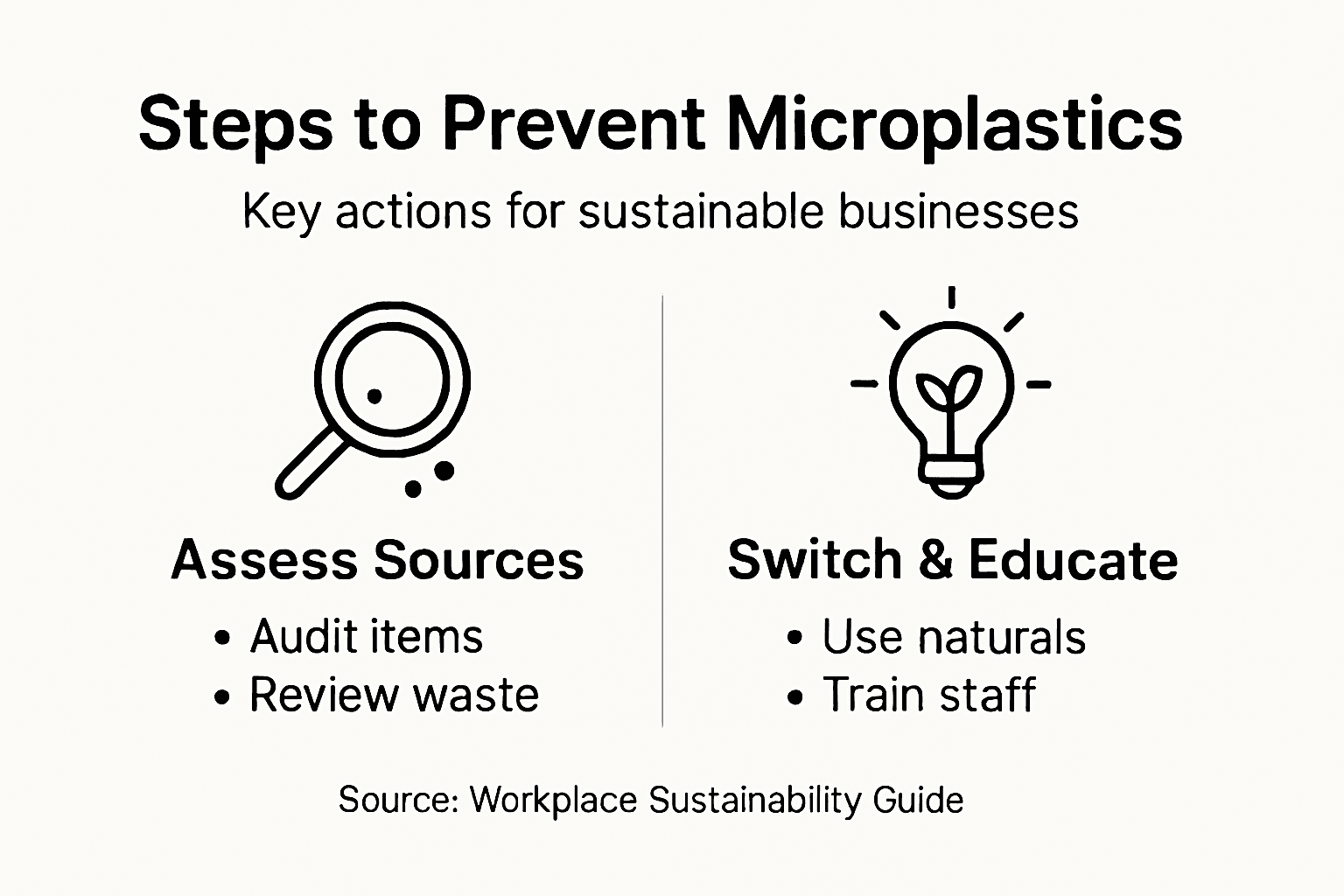
Reducing plastic pollution in daily restaurant and hotel operations starts with identifying the invisible culprits hiding in plain sight. Every piece of packaging, textile, or plastic service item can release microplastics that threaten local environments and global reputations. By choosing high-quality, reusable straw solutions and conducting a careful assessment of operational materials, hospitality leaders can turn sustainability into practical action that resonates with eco-conscious guests and regulatory expectations.
Table of Contents
- Step 1: Assess Current Sources Of Microplastics In Your Operations
- Step 2: Switch To Natural And Reusable Alternatives For Key Items
- Step 3: Train Staff To Implement Sustainable Practices Daily
- Step 4: Verify Reduction Of Microplastics Through Routine Checks
Quick Summary
| Significant Insight | Explanation |
|---|---|
| 1. Assess microplastics sources in operations | Identify where microplastics originate in your business to target reduction strategies effectively. |
| 2. Switch to sustainable alternatives | Replace single-use plastics with natural and reusable options to minimize environmental impact and foster brand loyalty. |
| 3. Implement staff training programs | Educate your team on sustainable practices to ensure daily engagement and effective microplastic reduction strategies. |
| 4. Establish routine verification processes | Regularly assess reduction efforts through multiple methods to ensure accountability and track progress in minimizing microplastics. |
Step 1: Assess current sources of microplastics in your operations
Identifying microplastic sources within your business operations is crucial for developing targeted reduction strategies. This assessment helps pinpoint where these tiny particles originate and how they potentially enter environmental systems.
Businesses can systematically evaluate microplastic sources by examining several key operational areas. Understanding environmental pollutant pathways reveals multiple potential entry points for microplastics:
- Packaging materials: Plastic containers, wrapping, and shipping components
- Equipment wear: Machinery parts and tools that shed microscopic particles
- Textile products: Uniforms, cleaning materials, and workplace fabrics
- Product composition: Components containing intentional or unintentional plastic elements
Start by conducting a comprehensive visual and microscopic inventory of your current materials. Look for potential microplastic generation points like:
Here’s a summary of primary business areas and how microplastics typically infiltrate them:
| Business Area | Common Microplastic Entry Path | Typical Impact on Operations |
|---|---|---|
| Packaging | Material breakdown, abrasion | Increases environmental risk |
| Equipment/Machinery | Mechanical wear and tear | Potential product contamination |
| Textiles | Fiber shedding during use | Contributes to workplace exposure |
| Products | Ingredients or manufacturing | Reduces sustainability ratings |
- Inspect packaging materials for plastic degradation
- Examine textile fiber composition
- Analyze equipment maintenance logs for wear-related particle generation
- Review product manufacturing processes
Identifying microplastic sources requires systematic observation and detailed documentation of all operational materials and processes.
Pro tip: Consider partnering with a specialized environmental testing service to conduct a precise microplastic audit of your current operations.
Step 2: Switch to natural and reusable alternatives for key items
Transitioning your business toward sustainable alternatives is a strategic approach to reducing microplastic generation. Reusable packaging business models offer innovative solutions that minimize plastic waste and support environmental conservation.
Consider replacing single-use plastic items with natural and reusable alternatives across these critical operational areas:
- Food service: Bamboo or stainless steel utensils
- Packaging: Biodegradable or compostable wrapping materials
- Office supplies: Glass or metal containers instead of plastic
- Cleaning equipment: Natural fiber mops and cleaning tools
- Product containers: Glass or ceramic alternatives
Implement a systematic replacement strategy by following these steps:
- Conduct an inventory of current plastic-based items
- Research sustainable alternatives for each product category
- Evaluate cost-effectiveness and environmental impact
- Develop a phased transition plan
- Train staff on new material usage
Sustainable alternatives are not just an environmental choice but a strategic business decision that can differentiate your brand.
Emerging technologies like biodegradable polymer microparticles are revolutionizing how businesses approach material selection, offering promising replacements for traditional plastic components.

This comparison highlights emerging sustainable materials versus traditional plastics:
| Material Type | Key Properties | Sustainability Benefit |
|---|---|---|
| Traditional Plastics | Non-biodegradable, durable | Persistent pollution |
| Biodegradable Polymers | Break down naturally | Lower microplastic accumulation |
| Natural Fibers | Compostable, renewable | Reduces environmental footprint |
| Reusable Metals/Glass | Long lifespan, recyclable | Minimizes single-use waste |
Pro tip: Start with high-impact, easy-to-replace items and gradually expand your sustainable alternatives to build momentum and demonstrate your commitment to environmental responsibility.
Step 3: Train staff to implement sustainable practices daily
Embracing sustainable practices requires more than policy changes—it demands comprehensive staff education and engagement. Occupational awareness about microplastic pollution is crucial for creating meaningful organizational change.
Develop a strategic training program that transforms your team’s understanding and approach to microplastic reduction:
- Interactive workshops: Demonstrate practical microplastic elimination techniques
- Visual learning materials: Create infographics showing microplastic sources
- Regular team discussions: Share environmental impact insights
- Performance incentives: Recognize sustainable practice champions
- Hands-on training: Provide practical demonstrations of alternative materials
Implement your training program through these key steps:
- Design comprehensive educational modules
- Create engaging multimedia presentations
- Develop assessment metrics for sustainability practices
- Schedule recurring training sessions
- Establish feedback mechanisms
Effective staff training transforms environmental awareness into actionable workplace behaviors.
Sustainable behavior requires consistent reinforcement and practical skill development across all organizational levels.
Pro tip: Rotate sustainability champions across different departments to maintain enthusiasm and spread environmental knowledge organically throughout your organization.
Step 4: Verify reduction of microplastics through routine checks
Establishing a systematic verification process ensures your microplastic reduction strategies deliver measurable results. Plastic waste reduction standards provide critical frameworks for independent auditing and accountability.
Develop a comprehensive verification strategy that includes multiple assessment methods:
- Water sampling: Regular testing of wastewater and operational water sources
- Material analysis: Microscopic examination of potential microplastic generation points
- Equipment inspection: Check machinery and tools for plastic degradation
- Documentation tracking: Maintain detailed records of reduction efforts
- External auditing: Engage independent environmental verification experts
Implement your verification process through these structured steps:
- Define specific microplastic measurement protocols
- Establish baseline measurement metrics
- Create standardized reporting templates
- Schedule periodic comprehensive assessments
- Compare results against initial baseline measurements
Consistent monitoring transforms microplastic reduction from a concept to a measurable, actionable strategy.
Environmental monitoring requires rigorous routine sampling and analysis to validate ongoing sustainability efforts.
Pro tip: Invest in digital tracking systems that can automatically log and compare microplastic reduction data across multiple operational parameters.
Take Action Against Microplastic Pollution with Sustainable Straw Solutions
Microplastic pollution is a growing challenge that businesses must tackle by adopting durable and natural alternatives to single-use plastic products. The article highlights key sources of microplastics such as packaging materials and product components. At TheOceanStraw.com, we help foodservice and hospitality businesses eliminate microplastic generation by offering reusable drinking straws crafted from innovative wood and plant-based materials. Our straws combine biodegradability with exceptional durability, aligning perfectly with your goals to reduce environmental impact and support sustainability initiatives.
Discover how easy it is to integrate eco-friendly straws into your daily operations by exploring our detailed product specifications and bulk purchasing options at TheOceanStraw.com. Join other environmentally conscious businesses transforming their plastic consumption while ensuring safety and quality. Start your journey toward microplastic reduction today with TheOceanStraw.com and contribute to a cleaner, healthier planet.
Frequently Asked Questions
How can businesses assess their current sources of microplastics?
Identifying current sources of microplastics involves a thorough evaluation of operations, including packaging materials, equipment wear, textiles, and product composition. Conduct a visual and microscopic inventory of materials and document any potential microplastic generation points over the next month.
What sustainable alternatives can businesses use to reduce microplastics?
Businesses can replace single-use plastic items with natural and reusable alternatives, such as bamboo utensils or biodegradable packaging. Start by conducting an inventory of plastic items and aim to transition at least 30% of these to sustainable options within six months.
How should businesses train staff on microplastic reduction practices?
Develop a training program that includes workshops, visual materials, and hands-on demonstrations of sustainable practices. Schedule regular training sessions and provide educational resources to transform staff awareness into daily actions over the next quarter.
What steps should businesses take for verifying microplastic reduction efforts?
Establish a verification process that includes water sampling, material analysis, and equipment inspections. Create a tracking system to document measurements and aim to conduct assessments every three months to ensure consistent progress.
How can businesses create a phasing plan for switching to sustainable materials?
Develop a phased transition plan by researching sustainable alternatives, evaluating cost-effectiveness, and creating timelines for specific items. Prioritize high-impact areas, such as food service or packaging, and aim to implement changes gradually over the next year.
Recommended
- Understanding the Effects of Plastic on Environment – The Ocean Straw
- How to Prevent Plastic Pollution in the Ocean: A Practical Guide – The Ocean Straw
- Effect of Single-Use Plastic on Our Environment – The Ocean Straw
- Effects of Plastic Pollution on Environment – Key Impacts – The Ocean Straw
- Healthy Natural Hair Products: Better Growth and Safety | MyHair