
How to Reduce Household Waste Naturally for Food Businesses

The average american food business throws away over 30 percent of its purchased ingredients every year, according to recent studies. This not only leads to unnecessary costs but also harms the environment and your bottom line. Understanding where waste happens is the foundation for creating smarter, more sustainable practices. By learning practical steps used by successful american operations, you can cut costs, reduce your environmental impact, and build a business that truly values every resource.
Table of Contents
- Step 1: Assess Current Waste Streams
- Step 2: Implement Smart Purchasing Practices
- Step 3: Adopt Reusable and Biodegradable Products
- Step 4: Establish Efficient Recycling and Composting
- Step 5: Monitor Progress and Optimize Efforts
Quick Summary
| Key Insight | Explanation |
|---|---|
| 1. Assess waste streams effectively | Categorize and weigh discarded materials to identify areas for waste reduction interventions. |
| 2. Implement smart purchasing tactics | Employ precise inventory management to avoid overbuying and select sustainable suppliers. |
| 3. Transition to reusable products | Choose biodegradable materials with certifications to reduce environmental impact and waste. |
| 4. Establish recycling and composting | Set up systems for sorting waste and connect with local facilities for efficient processing. |
| 5. Monitor and optimize waste reduction | Use metrics and regular reviews to track progress and continuously improve waste management efforts. |
Step 1: Assess Current Waste Streams
Understanding your food business’s waste streams is the critical first step toward creating an effective waste reduction strategy. By systematically analyzing what and how much you are discarding, you can develop targeted approaches to minimize waste naturally and efficiently.
To conduct a comprehensive waste assessment, utilize methodical sorting techniques recommended by waste management experts. Start by collecting and categorizing all discarded materials over a standard one week period. Separate waste into clear categories such as produce scraps, spoiled ingredients, preparation waste, and customer plate waste. Weigh each category daily and record detailed observations about quantity, condition, and potential prevention methods.
The food waste self assessment tool provides an excellent framework for tracking your findings. Focus on identifying patterns like consistently overproduced menu items, storage inefficiencies, or improper inventory management that contribute to waste generation. By meticulously documenting these insights, you create a baseline measurement that will help you design targeted waste reduction interventions in subsequent steps of your sustainability journey.
Step 2: Implement Smart Purchasing Practices
Smart purchasing practices are fundamental to reducing household waste and creating a more sustainable food business operation. By strategically planning your inventory and procurement processes, you can significantly minimize unnecessary waste while maintaining high quality standards.
Start by implementing balanced purchasing strategies that focus on precise inventory management. This means carefully calculating ingredient quantities based on actual consumption patterns, avoiding overbuying, and prioritizing products with shorter shelf lives. Balance higher cost specialty items with more economical staple ingredients, and develop a flexible purchasing approach that adapts to seasonal availability and demand fluctuations.
Adopt a values-based purchasing framework that goes beyond cost considerations. Prioritize local suppliers, sustainable producers, and ingredients with minimal environmental impact. By selecting vendors who share your commitment to reducing waste and supporting community agriculture, you create a more resilient and responsible supply chain. Track your purchasing metrics regularly, adjusting your strategy to minimize excess inventory and optimize your overall waste reduction efforts.
Step 3: Adopt Reusable and Biodegradable Products
Transitioning to reusable and biodegradable products represents a critical strategy for food businesses committed to reducing environmental waste and minimizing their ecological footprint. By thoughtfully selecting materials that break down naturally and support sustainable waste management, you can dramatically reduce your business’s long-term environmental impact.
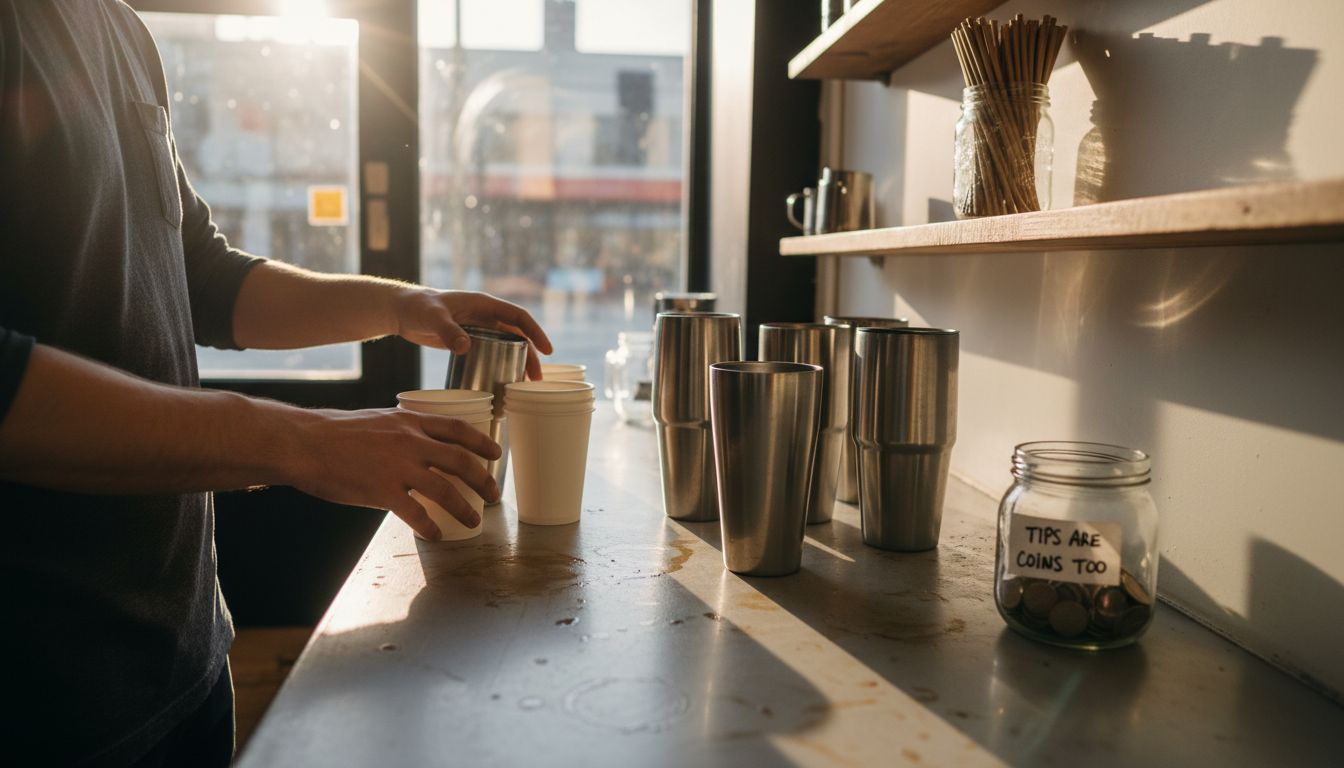
When selecting products, prioritize items with third-party sustainability certifications that validate their environmental credentials. Look for packaging, utensils, and containers made from materials like bamboo, plant-based polymers, or reclaimed agricultural waste that can decompose safely. These alternatives not only reduce persistent chemical contaminants in waste streams but also demonstrate your commitment to responsible business practices.
Consider implementing a comprehensive transition plan that gradually replaces single-use plastics with biodegradable alternatives. Start with high-volume items like takeout containers, straws, and serving implements, tracking both environmental and cost impacts. By making strategic, incremental changes, you can build a more sustainable operational model that resonates with environmentally conscious customers and sets a new standard for responsible food service.
Step 4: Establish Efficient Recycling and Composting
Creating an effective recycling and composting system is crucial for food businesses looking to minimize waste and demonstrate environmental responsibility. By implementing strategic waste management practices, you can significantly reduce your environmental footprint while potentially generating cost savings through more efficient resource utilization.
Start by utilizing mapping tools that identify local waste processing facilities to streamline your waste diversion efforts. These resources can help you connect with specialized composting and recycling centers that can process different types of organic and recyclable materials. Analyze your specific waste stream compositions to determine the most appropriate recycling and composting strategies for your business, ensuring that each type of waste is processed in the most environmentally responsible manner possible.
Implement a comprehensive sorting system in your kitchen that clearly separates organic waste, recyclables, and landfill materials. Train your staff thoroughly on proper sorting techniques, and consider creating visual guides or color coded bins to minimize confusion. Regularly audit your waste management processes to identify potential improvements and track your progress in reducing overall waste generation.
Step 5: Monitor Progress and Optimize Efforts
Track your waste reduction journey systematically to ensure continuous improvement and maintain momentum in your sustainability efforts. By implementing rigorous measurement techniques, you can transform waste management from a reactive process to a strategic business advantage.
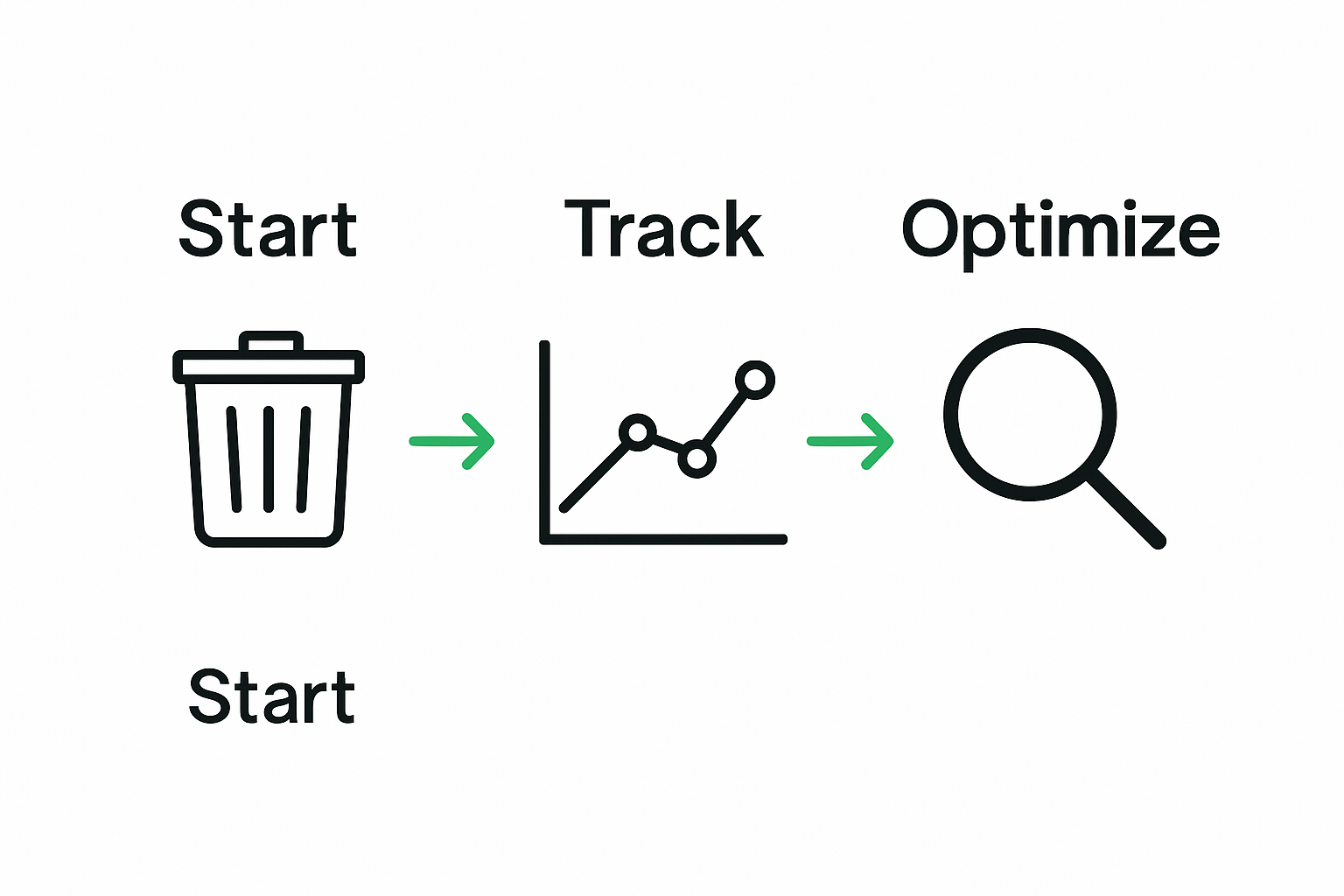
Leverage comprehensive metrics for tracking waste reduction that go beyond simple volume measurements. Focus on key indicators like waste per unit of production, total waste volume, and financial impact of waste generation. Utilize advanced electronic scanning systems to capture precise data about your waste streams, enabling you to identify specific areas for targeted intervention and optimization.
Create a quarterly review process where you analyze your waste data, compare performance against baseline measurements, and develop actionable strategies for continuous improvement. Share progress with your team to maintain engagement and celebrate incremental successes. Remember that waste reduction is an ongoing journey requiring consistent attention, adaptation, and commitment to sustainable practices.
Reduce Waste Naturally with Sustainable Straw Solutions
The article highlights the challenge food businesses face in minimizing natural waste while adopting reusable and biodegradable products. It stresses the importance of thoughtful material choices, such as plant-based alternatives, to reduce environmental impact and align with smart sustainability goals. If your goals include cutting down on single-use plastics and enhancing your eco-friendly purchasing, exploring durable, biodegradable straws is a crucial step toward that.
Take control of your waste reduction efforts today: switch to reusable straws made from innovative wood and plant-based materials that combine environmental safety with long-lasting quality. These straws support your business’s waste diversion and composting efforts while meeting eco-conscious customer expectations.
Discover how TheOceanStraw.com can help your foodservice operation adopt smarter green practices with our premium straw solutions. Visit TheOceanStraw.com now to explore detailed product benefits, wholesale options, and certification credentials. Make your next purchase a commitment to sustainability and watch how small changes turn into big environmental wins.
For a deeper look at integrating biodegradable products into your business model, see our product specifics at TheOceanStraw.com, and take the first step towards a zero-waste future.
Frequently Asked Questions
How can I assess my food business’s current waste streams?
To assess your food business’s current waste streams, start by collecting and categorizing all discarded materials over a standard one-week period. Weigh and record each category daily, including produce scraps and customer plate waste, to identify patterns that contribute to waste generation.
What purchasing practices can help reduce food waste in my business?
Implement smart purchasing practices by calculating ingredient quantities based on actual consumption patterns and avoiding overbuying. Focus on purchasing local and sustainable products, while adjusting inventory strategy seasonally to reduce waste by potentially 15-20%.
How do I choose reusable or biodegradable products for my food business?
Select reusable or biodegradable products by prioritizing items with third-party sustainability certifications that validate their environmental impact. Start replacing single-use plastics with biodegradable alternatives, such as plant-based containers, to significantly reduce waste over several months.
What are the best practices for establishing recycling and composting systems?
Begin by mapping out local waste processing facilities to connect with composting and recycling centers. Set up a comprehensive sorting system in your kitchen and train your staff on proper waste separation techniques to enhance recycling efforts and lower waste levels quickly.
How can I monitor progress in reducing waste in my food business?
Monitor your progress by establishing comprehensive metrics that track waste reduction over time, such as waste per unit of production. Perform quarterly reviews to analyze waste data and develop actionable strategies for continuous improvements, aiming to reduce total waste volume by 10-15% each quarter.