
How to Reduce Packaging Waste for Hotels and Restaurants

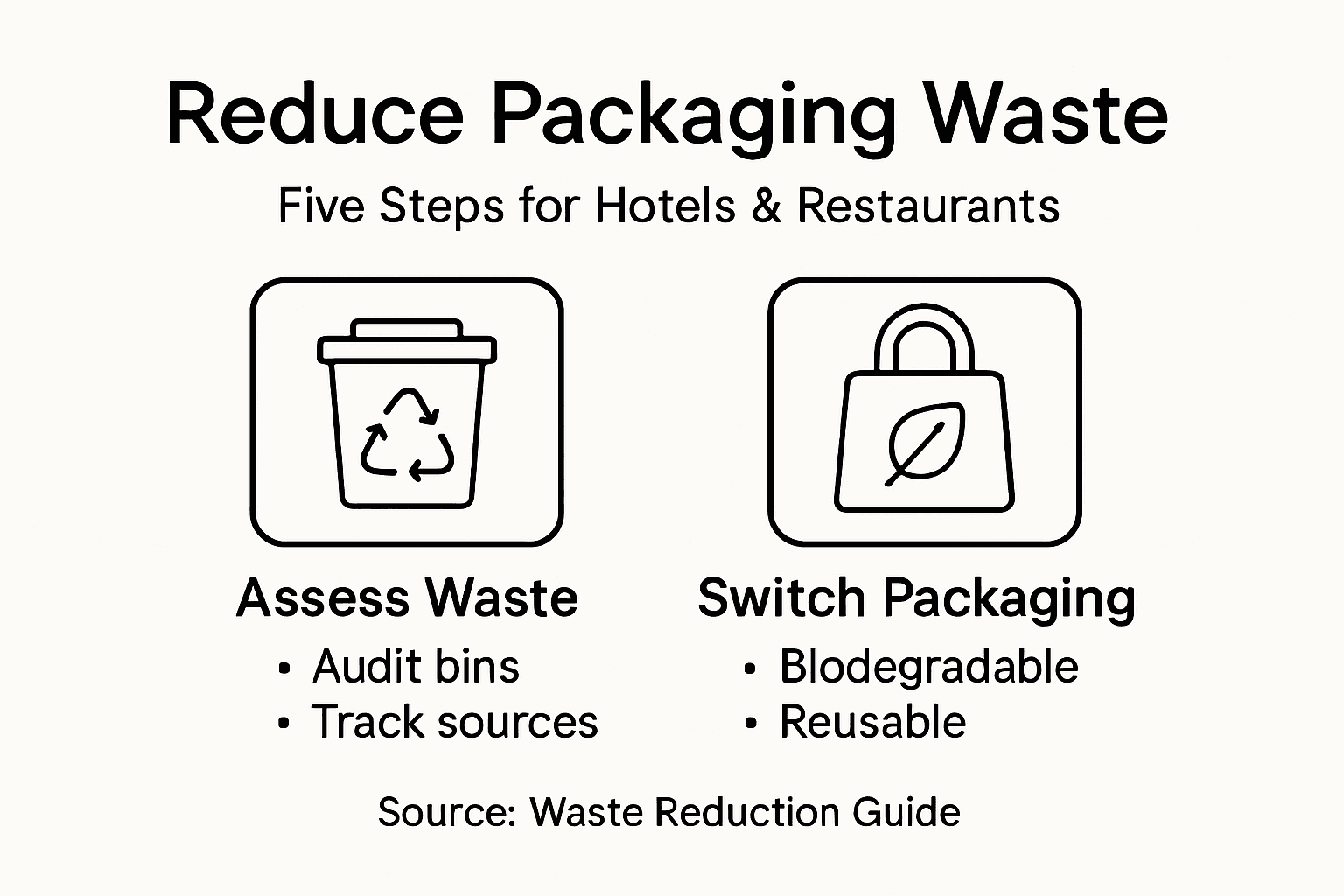
Many European hotel and restaurant managers are searching for practical ways to cut waste without sacrificing service quality. With packaging identified as the source of 40 percent of the planet’s plastic waste according to Our World in Data, sustainable choices are more urgent than ever. This guide breaks down how you can assess your current waste, select eco-friendly options, and involve your team to boost environmental performance while keeping up with regional regulations.
Table of Contents
- Step 1: Assess Current Packaging Waste Sources
- Step 2: Identify Sustainable Packaging Alternatives
- Step 3: Implement Reusable and Biodegradable Options
- Step 4: Train Staff on Eco-Friendly Practices
- Step 5: Monitor and Verify Waste Reduction Results
Quick Summary
| Key Takeaway | Explanation |
|---|---|
| 1. Conduct a thorough waste audit | Assess all packaging materials used to identify key sources of waste for targeted reduction strategies. |
| 2. Explore sustainable packaging options | Transition to biodegradable, compostable, and reusable materials to minimize environmental impact. |
| 3. Train staff on eco-friendly practices | Implement comprehensive training programs to enhance employee engagement in sustainability initiatives. |
| 4. Monitor and track waste effectively | Use quantitative measures and digital tools to track waste reduction progress and verify improvements. |
| 5. Involve multiple departments in assessments | Encourage collaboration across all areas to gain diverse insights and improve waste management efforts. |
Step 1: Assess current packaging waste sources
Reducing packaging waste starts with a comprehensive assessment of your current waste generation. Understanding exactly where and how waste originates helps hotels and restaurants develop targeted strategies for minimization.
Begin by conducting a detailed waste audit across different areas of your operation. This involves carefully tracking and categorizing all packaging materials used in food preparation, service, delivery, and storage. Global packaging waste research indicates packaging accounts for approximately 40% of planetary plastic waste, making this assessment critical.
Your waste assessment should systematically examine several key sources:
- Kitchen packaging including ingredient containers, wrap, and bulk delivery materials
- Service packaging such as takeout containers, disposable utensils, and single-use items
- Storage packaging for inventory management and food preservation
- Beverage service materials like cups, lids, stirrers, and straws
To conduct an effective audit, implement these steps:
- Collect and weigh packaging waste from each operational area
- Categorize materials by type (plastic, paper, cardboard, mixed materials)
- Document frequency and volume of waste generation
- Identify specific processes generating the most packaging waste
- Calculate total waste volume and potential environmental impact
Precise measurement is the foundation of effective waste reduction strategies.
Utilize tracking tools and comprehensive waste management methodologies recommended by sustainability organizations to ensure accuracy and thoroughness in your assessment.
Pro tip: Consider involving staff from different departments in the waste audit to gain comprehensive insights and foster a collaborative approach to sustainability.
Step 2: Identify sustainable packaging alternatives
Transitioning to sustainable packaging requires strategic selection of eco-friendly materials that minimize environmental impact while maintaining food quality and safety. Sustainable food packaging solutions offer holistic approaches for hotels and restaurants seeking meaningful waste reduction.
Explore these innovative packaging alternatives that balance environmental responsibility with practical business needs:
- Biodegradable materials like plant-based containers made from cornstarch, sugarcane, or bamboo
- Compostable packaging that breaks down naturally without toxic residues
- Recyclable options including glass, aluminum, and certain high-grade plastics
- Reusable containers designed for multiple uses across food service operations
When evaluating sustainable packaging, consider these key factors:
- Material lifecycle and environmental footprint
- Durability and performance under different food service conditions
- Cost-effectiveness and scalability
- Compatibility with your specific food preparation and delivery processes
- Local recycling and composting infrastructure
Sustainable packaging is not just an environmental choice, but a strategic business decision.
The comprehensive food packaging materials guide highlights recyclable alternatives that can help your business reduce its environmental impact while maintaining high service standards.

Here is a comparison of common packaging material types to help in selecting suitable sustainable alternatives:
| Material Type | Environmental Impact | Typical Uses |
|---|---|---|
| Traditional Plastic | High, non-biodegradable | Takeout containers, wraps |
| Biodegradable | Low, decomposes naturally | Food trays, single-use plates |
| Recyclable | Moderate, if recycled | Glass bottles, aluminum cans |
| Reusable | Very low over lifecycle | Returnable containers, delivery boxes |
Pro tip: Request sample materials from sustainable packaging suppliers to test compatibility and performance before making large-scale transitions.
Step 3: Implement reusable and biodegradable options
Reusable takeout container systems demonstrate significant potential for reducing plastic waste in food service operations. Transitioning to sustainable packaging requires a strategic approach that balances environmental responsibility with practical business considerations.
Consider implementing these innovative packaging solutions:
- Reusable container programs with deposit or exchange systems
- Biodegradable packaging made from plant-based materials
- Returnable packaging designed for multiple use cycles
- Compostable food service items that break down naturally
Successful implementation involves several key strategies:
- Select high-quality, durable materials designed for repeated use
- Develop clear customer communication about return and reuse processes
- Create incentive programs to encourage container return
- Train staff on proper handling and sanitization protocols
- Monitor and track container lifecycle and replacement rates
Sustainable packaging is an investment in both environmental stewardship and long-term business efficiency.
Biodegradable packaging technologies continue to advance, offering increasingly sophisticated solutions for food service businesses seeking to reduce environmental impact.
Below is a summary of the business benefits linked to implementing reusable and biodegradable food packaging options:
| Benefit | Description |
|---|---|
| Cost Savings | Reduced long-term packaging expenses |
| Positive Brand Image | Enhanced reputation for sustainability |
| Lower Waste Management Fees | Less packaging sent to landfill |
| Regulatory Compliance | Meets growing environmental regulations |
Pro tip: Pilot test new packaging systems with a small customer segment to refine processes and gather feedback before full-scale implementation.
Step 4: Train staff on eco-friendly practices
Staff sustainability training is crucial for transforming waste reduction from a concept into a practical reality in hotels and restaurants. Creating an environmentally conscious workforce requires a comprehensive and engaging approach to education and awareness.
Develop a robust training program that covers these key areas:
- Waste reduction techniques specific to different departments
- Proper sorting and recycling protocols
- Sustainable packaging handling methods
- Energy conservation strategies for daily operations
Implement training through these strategic approaches:
- Create interactive workshop sessions
- Develop clear, visual training materials
- Use real-world case studies and practical demonstrations
- Provide ongoing education and periodic refresher courses
- Establish accountability and recognition for sustainable practices
Successful sustainability initiatives grow from informed and motivated employees.
Sustainability education programs demonstrate significant potential for improving environmental performance across hospitality sectors.
Pro tip: Incorporate gamification and reward systems to make sustainability training more engaging and motivate staff to adopt eco-friendly practices.
Step 5: Monitor and verify waste reduction results
Global waste measurement frameworks provide essential guidance for hotels and restaurants seeking to quantify and validate their packaging waste reduction efforts. Establishing a robust monitoring system enables precise tracking of sustainability progress and identifies areas for continuous improvement.
Implement comprehensive waste tracking through these strategic methods:
- Quantitative measurement of total packaging waste volume
- Regular waste audits across different operational areas
- Digital tracking tools for real-time waste data collection
- Comparative analysis against baseline waste generation metrics
Create an effective verification process by following these steps:
- Establish clear baseline waste generation measurements
- Define specific, measurable waste reduction targets
- Implement consistent data collection protocols
- Utilize standardized reporting templates
- Conduct periodic external sustainability assessments
Accurate measurement transforms sustainability from a concept into a tangible, manageable strategy.
Hotel sustainability verification protocols offer structured approaches for systematically documenting and benchmarking waste reduction achievements.
Pro tip: Invest in digital tracking technologies that automatically log and analyze waste data, reducing manual reporting errors and providing real-time insights.
Elevate Your Hotel or Restaurant Sustainability with Eco-Friendly Straw Solutions
A major challenge in reducing packaging waste for hotels and restaurants is finding reusable and biodegradable alternatives that align with both environmental goals and operational needs. The article highlights specific pain points like excessive single-use plastics and the need for durable, sustainable materials. At TheOceanStraw.com, we address this challenge head-on with our innovative wood and plant-based reusable straws that are designed to reduce plastic waste without compromising quality or safety.
Our The Ocean Straw Growth Pack is tailor-made for foodservice businesses eager to implement eco-conscious solutions quickly and effectively. By integrating our sustainable straws into your service, you demonstrate a strong commitment to environmental stewardship while enhancing your brand image and meeting growing guest expectations for green hospitality.
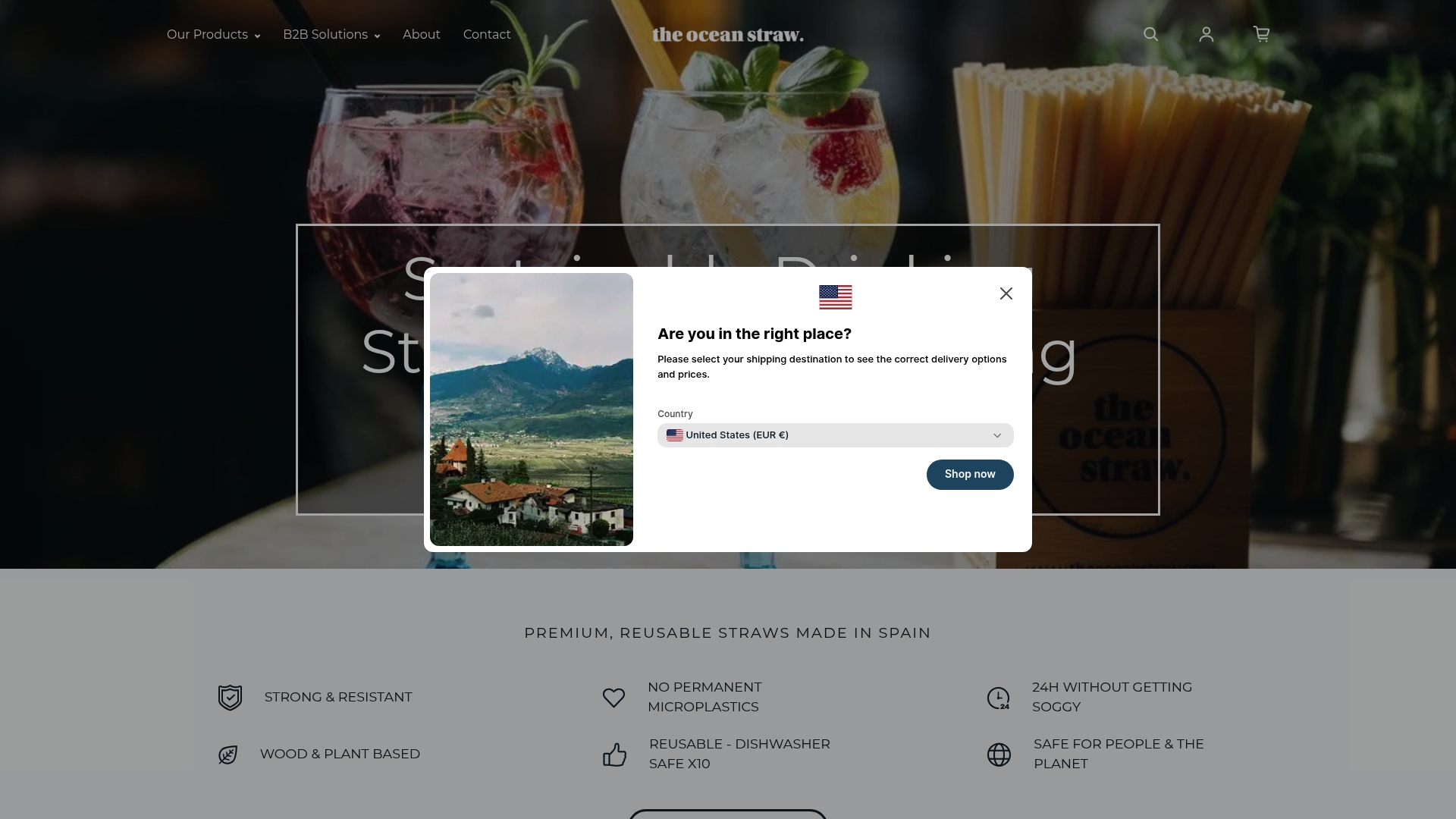
Take the next step today by exploring how our durable, biodegradable straws can complement your waste reduction strategies. Visit TheOceanStraw.com to learn more, request samples, and join industry leaders already embracing smarter packaging alternatives. Start making a real impact on your packaging waste now.
Frequently Asked Questions
How can I assess my current packaging waste in my hotel or restaurant?
To assess your current packaging waste, conduct a detailed waste audit across different operational areas. Track and categorize all packaging materials used in food preparation, service, delivery, and storage to determine where most waste originates.
What are sustainable packaging alternatives for hotels and restaurants?
Sustainable packaging alternatives include biodegradable materials like plant-based containers, compostable packaging that breaks down naturally, recyclable options like glass and aluminum, and reusable containers for multiple uses. Evaluate these alternatives based on their environmental impact, durability, and compatibility with your food service processes.
How can I implement a reusable container system effectively?
To implement a reusable container system, develop a clear return and reuse process, and consider incentive programs to encourage container returns. Begin by selecting high-quality, durable materials and training your staff on proper handling and sanitization protocols.
What key areas should I cover in staff training for eco-friendly practices?
In staff training, cover waste reduction techniques, proper recycling and sorting protocols, sustainable packaging handling methods, and energy conservation strategies. Create engaging workshops and provide ongoing education to ensure your team is informed and motivated to adopt eco-friendly practices.
How can I verify my waste reduction results?
You can verify your waste reduction results by establishing clear baseline measurements and defining specific waste reduction targets. Implement regular waste audits and utilize digital tracking tools to monitor and report on your packaging waste over time.