
Impact of Plastic Waste on Marine Life: Complete Guide

Every year, about 8 million tonnes of plastic enter our oceans, mixing with existing waste and breaking down into fragments so small they become almost invisible. This massive flow of debris threatens marine life and puts entire food chains at risk. Understanding the true scale and nature of plastic waste in our seas is the first step toward protecting ocean ecosystems and the communities that depend on them.
Key Takeaways
| Point | Details |
|---|---|
| Plastic Pollution Complexity | Marine plastic waste includes macroplastics, microplastics, and nanoplastics, each posing unique risks to ecosystems. |
| Harm to Marine Life | Plastic debris causes physical entanglement and toxic contamination, impacting diverse marine species and ecosystems. |
| Economic Impact | Ocean plastic pollution threatens the livelihoods of billions globally, particularly in Asia, where the majority of pollution originates. |
| Sustainable Business Practices | Hospitality businesses can reduce plastic waste by investing in sustainable alternatives and implementing robust recycling systems. |
Table of Contents
- Defining Plastic Waste In Marine Environments
- Types Of Plastic Pollution Affecting Oceans
- How Plastic Waste Harms Marine Species
- Ecosystem And Economic Implications Globally
- Sustainable Solutions For Hospitality Businesses
Defining Plastic Waste in Marine Environments
Plastic waste in marine environments represents a complex and pervasive global challenge that extends far beyond simple trash accumulation. Marine plastic pollution encompasses an extensive range of materials, from massive debris like fishing nets and discarded containers to microscopic fragments barely visible to the human eye.
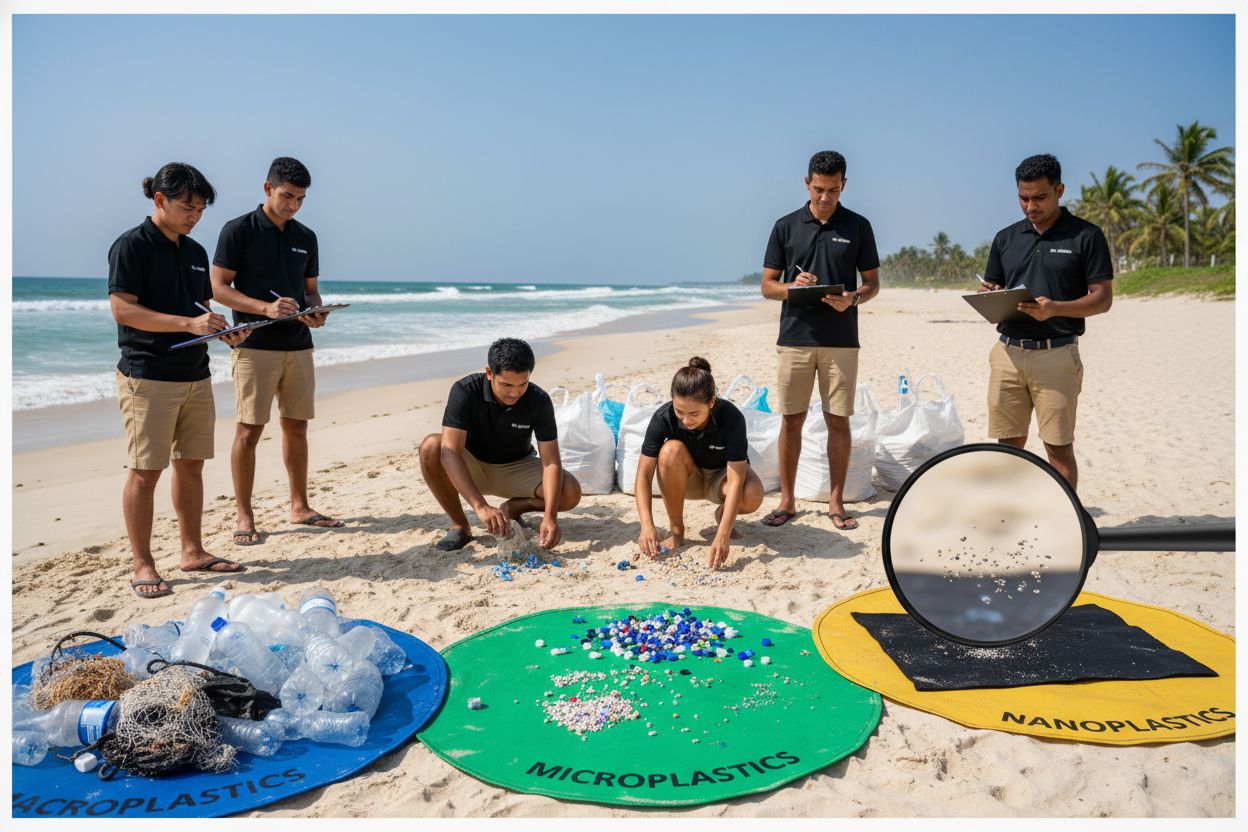
According to research from Wikipedia, global annual plastic consumption has reached a staggering 300 million tonnes, with approximately 8 million tonnes entering oceans as macroplastics and an additional 1.5 million tonnes as primary microplastics from land-based sources. These plastics come in various forms:
- Macroplastics: Large visible items like bottles, bags, and industrial equipment
- Microplastics: Fragments under 5 mm that penetrate deep marine ecosystems
- Nanoplastics: Microscopic particles with potential for extensive environmental infiltration
As Britannica’s scientific research highlights, these plastic fragments don’t just float harmlessly. They accumulate in ocean gyres, concentrate pollutants, and pose significant ingestion risks to marine organisms. By understanding the scale and complexity of marine plastic waste, we can better develop targeted strategies for reduction and mitigation.
 Learn more about understanding environmental damage created by plastic.
Types of Plastic Pollution Affecting Oceans
Ocean plastic pollution is a multifaceted environmental crisis characterized by diverse types of plastic waste that infiltrate marine ecosystems through different pathways. Primary microplastics represent one of the most insidious forms of marine plastic pollution, comprising intentionally manufactured tiny plastic particles such as resin pellets and microbeads used in various industrial and consumer products.
According to the United Nations Environment Programme, these microplastics carry significant environmental risks. They can transport persistent chemical pollutants like DDT and PCBs throughout water columns, coastlines, and deep-sea sediments. The different categories of marine plastic pollution include:
Here’s a comparison of the main types of marine plastic pollution:
| Type | Description | Typical Sources |
|---|---|---|
| Macroplastics | Large, visible plastic debris | Bottles Bags Fishing nets |
| Primary Microplastics | Manufactured microscopic particles | Microbeads Resin pellets |
| Secondary Microplastics | Fragments from larger plastic breakdown | Degraded bags Bottles Nets |
| Nanoplastics | Extremely small plastic particles | Breakdown of microplastics |
| Industrial Plastic Waste | Discarded materials from manufacturing processes | Equipment Packaging<brIndustrial scrap |
- Primary Microplastics: Manufactured microscopic particles
- Secondary Microplastics: Fragments resulting from larger plastic breakdown
- Macroplastics: Larger visible plastic debris like bottles and containers
- Industrial Plastic Waste: Discarded manufacturing materials and equipment
The complexity of marine plastic pollution extends beyond simple categorization. These plastics interact dynamically with marine environments, breaking down, absorbing toxins, and creating long-lasting ecological disruptions.
Explore more about single-use plastic impact on the environment to understand the broader implications of this global challenge.
How Plastic Waste Harms Marine Species
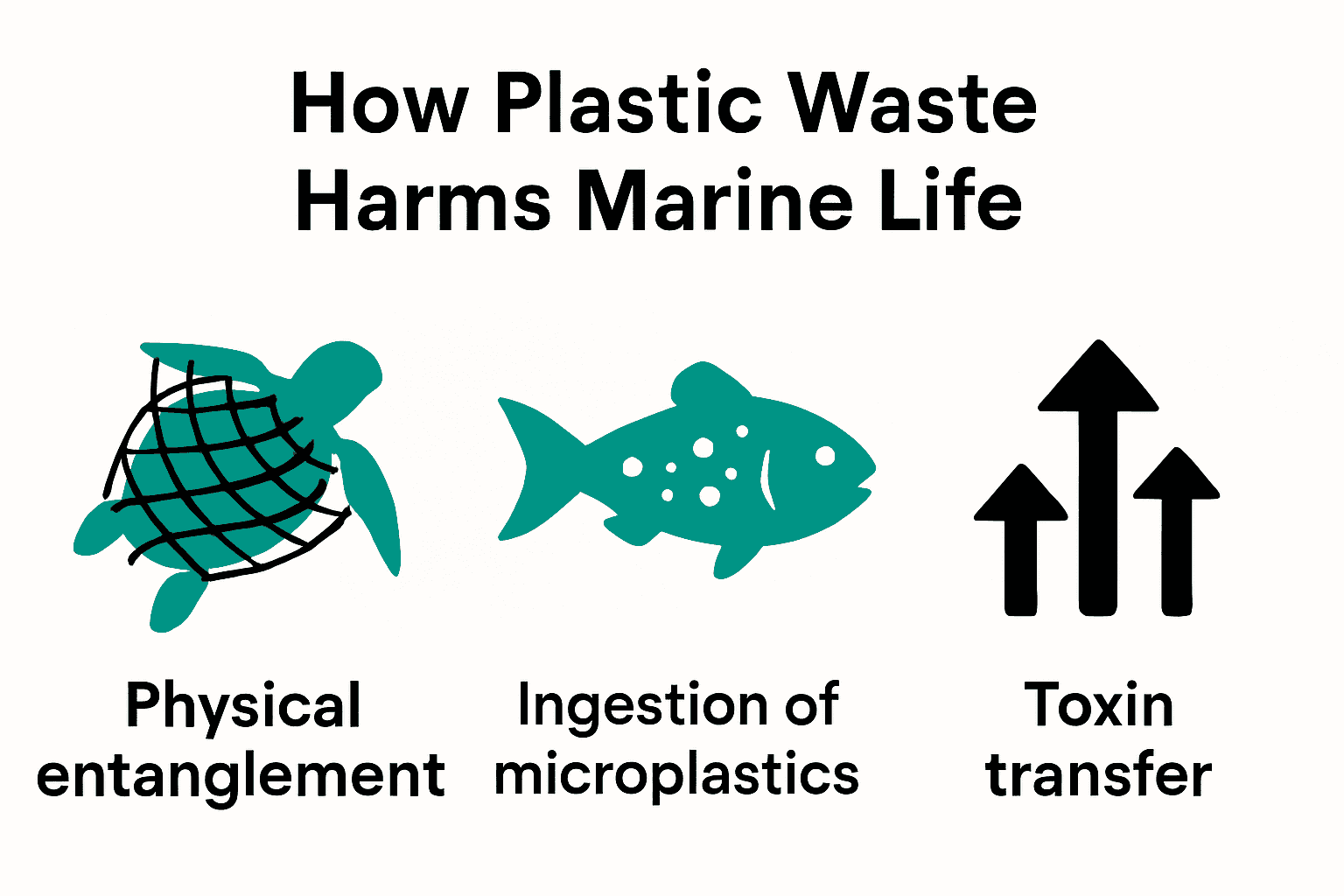
Marine plastic pollution creates a devastating cascade of harm for ocean ecosystems, impacting species from the tiniest zooplankton to massive marine mammals. According to Britannica’s environmental research, plastic waste destroys marine life through two primary mechanisms: physical entanglement and toxic chemical contamination.
Physical impacts are immediate and destructive. Marine animals become trapped in discarded fishing nets, plastic bags, and other debris, leading to injury, restricted movement, and often death. Research from the Pew Charitable Trusts reveals shocking statistics: approximately one million seabirds die annually from plastic consumption, with over 800 marine species suffering direct impacts from plastic debris.
The chemical dangers of plastic are equally alarming. As sunlight and seawater break down plastic materials into microplastics, these tiny fragments become toxic delivery systems:
- Concentrate persistent pollutants like PCBs
- Transfer concentrated toxins up the marine food chain
- Cause widespread disease transmission
Most disturbingly, corals face an 89% chance of contracting diseases when in contact with plastic, compared to just 4% for plastic-free environments.
 Learn more about understanding the effects of plastic on the environment to grasp the full scope of this ecological crisis.
Ecosystem and Economic Implications Globally
Ocean plastic pollution transcends environmental damage, creating a complex global crisis that threatens ecosystem stability and economic sustainability. According to research from GreenMatch, the scale of this challenge is staggering: between 75 and 199 million tonnes of plastic currently reside in our oceans, with devastating consequences for marine ecosystems and human communities.
The economic implications are particularly profound. Over 3 billion people worldwide depend directly on ocean resources for their livelihoods, and plastic pollution is systematically undermining these critical economic systems. Asia accounts for a shocking 81% of ocean plastic pollution, indicating a concentrated regional impact that ripples through global maritime economies. Disturbingly, 92% of microplastics are now found in 60% of consumed fish, presenting significant health risks and potential long-term economic disruptions in fisheries and seafood industries.
Research from the University of Cambridge highlights the complexity of addressing this challenge:
- Surface cleanup efforts are predicted to reduce only 5% of pollution by 2040
- Substantial investment in waste reduction strategies is crucial
- Innovative material reuse represents a key intervention pathway
From 1950 to 2015, approximately 200 million tonnes of plastic—including microplastics—entered the Atlantic Ocean alone, demonstrating the cumulative and persistent nature of this global environmental challenge. Explore more about understanding single-use plastic impact on the environment to grasp the broader systemic implications of our plastic consumption patterns.
Sustainable Solutions for Hospitality Businesses
Sustainable plastic alternatives represent a critical pathway for hospitality businesses seeking to mitigate their environmental impact. Research from the Cambridge Institute for Sustainability Leadership suggests that comprehensive plastic waste reduction requires strategic investments and systemic changes, estimated at approximately USD 150 billion over five years.
Innovative technological developments are providing promising solutions. Scientists in Japan have developed groundbreaking seawater-dissolvable plastics that demonstrate remarkable potential for the hospitality sector. These advanced materials can disintegrate within hours without leaving harmful residues, while maintaining the strength of traditional petroleum-based plastics.
Hospitality businesses can implement multiple strategies to reduce plastic waste:
- Redesign product packaging to minimize plastic use
- Limit virgin plastic supply chain dependencies
- Invest in alternative, biodegradable materials
- Develop robust internal recycling systems
- Train staff on sustainable waste management practices
Systemic change requires collaborative efforts across industries, supply chains, and regulatory frameworks. By adopting proactive approaches and investing in innovative materials, hospitality businesses can significantly reduce their environmental footprint. Learn more about understanding the effects of plastic on the environment to further your sustainability journey.
Choose Compostable Straws and Protect Marine Life Today!
It is difficult to ignore the overwhelming impact of plastic waste on marine species and ocean ecosystems. You have read about issues like macroplastics, microplastics, and toxic contamination threatening wildlife and the global food chain. The hospitality industry plays a critical role in this crisis, and you might feel concerned about your business’s contribution and eager to become part of the solution.
Make a real difference by switching away from traditional plastics. The Ocean Straw offers compostable wood and plant-based straws designed for the HoreCa market. Our alternatives help reduce the harmful plastic fragments that damage ocean life, supporting sustainability without sacrificing quality or guest experience. Take the step now toward cleaner oceans. Visit The Ocean Straw to start making more responsible choices today. For additional insights and resources, explore how you can understand the effects of plastic on the environment or learn about single-use plastic impacts on the environment. Your commitment matters. Act now and inspire others in your industry.
Frequently Asked Questions
What are the main types of plastic waste affecting marine life?
The main types of plastic waste affecting marine life include macroplastics (large visible debris), primary microplastics (manufactured microscopic particles), secondary microplastics (fragments from larger plastics), nanoplastics (extremely small particles), and industrial plastic waste (discarded manufacturing materials).
How does plastic waste harm marine animals?
Plastic waste harms marine animals primarily through physical entanglement, where animals become trapped in debris, and chemical contamination, as toxic substances are absorbed into microplastics, which can then be ingested by marine species.
What are the environmental implications of marine plastic pollution?
Marine plastic pollution poses environmental implications by destabilizing ecosystems, threatening marine biodiversity, and affecting the health of ocean resources that millions of people depend on for their livelihoods.
What sustainable solutions can hospitality businesses adopt to reduce plastic waste?
Hospitality businesses can reduce plastic waste by redesigning product packaging, limiting dependencies on virgin plastic, investing in biodegradable materials, implementing internal recycling systems, and training staff on sustainable waste management practices.