
Free Thin Plastic Bags: Environmental Consequences Unpacked

Confronting the reality of single-use plastics, many European hospitality professionals recognize the persistent challenge posed by free thin plastic bags. These lightweight bags, distributed at checkout, often fuel environmental strain by quickly becoming litter or breaking down into hazardous microplastics. For sustainability officers at mid-sized hotels and restaurants, understanding the difference between bag types and correcting misconceptions can help drive meaningful change. Explore how effective alternatives empower your eco-friendly strategies and strengthen your commitment to responsible operations.
Table of Contents
- Definition Of Free Thin Plastic Bags And Misconceptions
- Life Cycle And Environmental Footprint Explained
- Major Effects On Marine And Land Ecosystems
- Laws And Bans: Current EU And Global Regulations
- Why Hospitality Should Switch To Sustainable Options
- Reusable Alternatives And Implementing Change Successfully
Key Takeaways
| Point | Details |
|---|---|
| Environmental Impact of Thin Plastic Bags | Free thin plastic bags have a significant cumulative environmental footprint that contributes to pollution and ecological strain. |
| Need for Sustainable Alternatives | Transitioning to reusable options not only reduces waste but also meets consumer demand for environmentally responsible practices. |
| Regulatory Changes | Stricter regulations and bans on thin plastic bags globally indicate a growing recognition of the need to address plastic pollution. |
| Business Advantages of Sustainability | Implementing sustainable practices can enhance brand reputation and result in long-term operational cost savings for businesses. |
Definition Of Free Thin Plastic Bags And Misconceptions
Free thin plastic bags represent lightweight, single-use carrier bags typically provided complimentary at retail points of sale. These disposable items, often measuring less than 50 microns thick, have become ubiquitous in shopping environments worldwide, despite growing environmental concerns.
Understanding these bags requires examining their characteristics and widespread misconceptions. Plastic bag regulations reveal complex challenges beyond simple consumer perceptions. Key defining features include:
- Manufactured from low-density polyethylene
- Typically weighing between 5-20 grams
- Designed for single, short-term transportation use
- Commonly distributed free at checkout counters
- Extremely thin, flexible material composition
Contrary to popular belief, not all plastic bags are identical. The European Union distinguishes between different bag types, recognizing that thickness and intended use significantly impact environmental consequences. Lightweight bags under 50 microns pose particular challenges, as they are more likely to become wind-blown litter and enter natural ecosystems.
Misconceptions about these bags often stem from incomplete understanding of their environmental impact. Many consumers assume that because these bags are small and seemingly insignificant, their individual environmental footprint is minimal. However, the cumulative effect of millions of these bags creates substantial ecological strain.
Thin plastic bags represent a complex environmental challenge that cannot be addressed through simplistic, one-dimensional solutions.
Pro tip: Before accepting a free thin plastic bag, consider whether you genuinely need it or could use a reusable alternative.
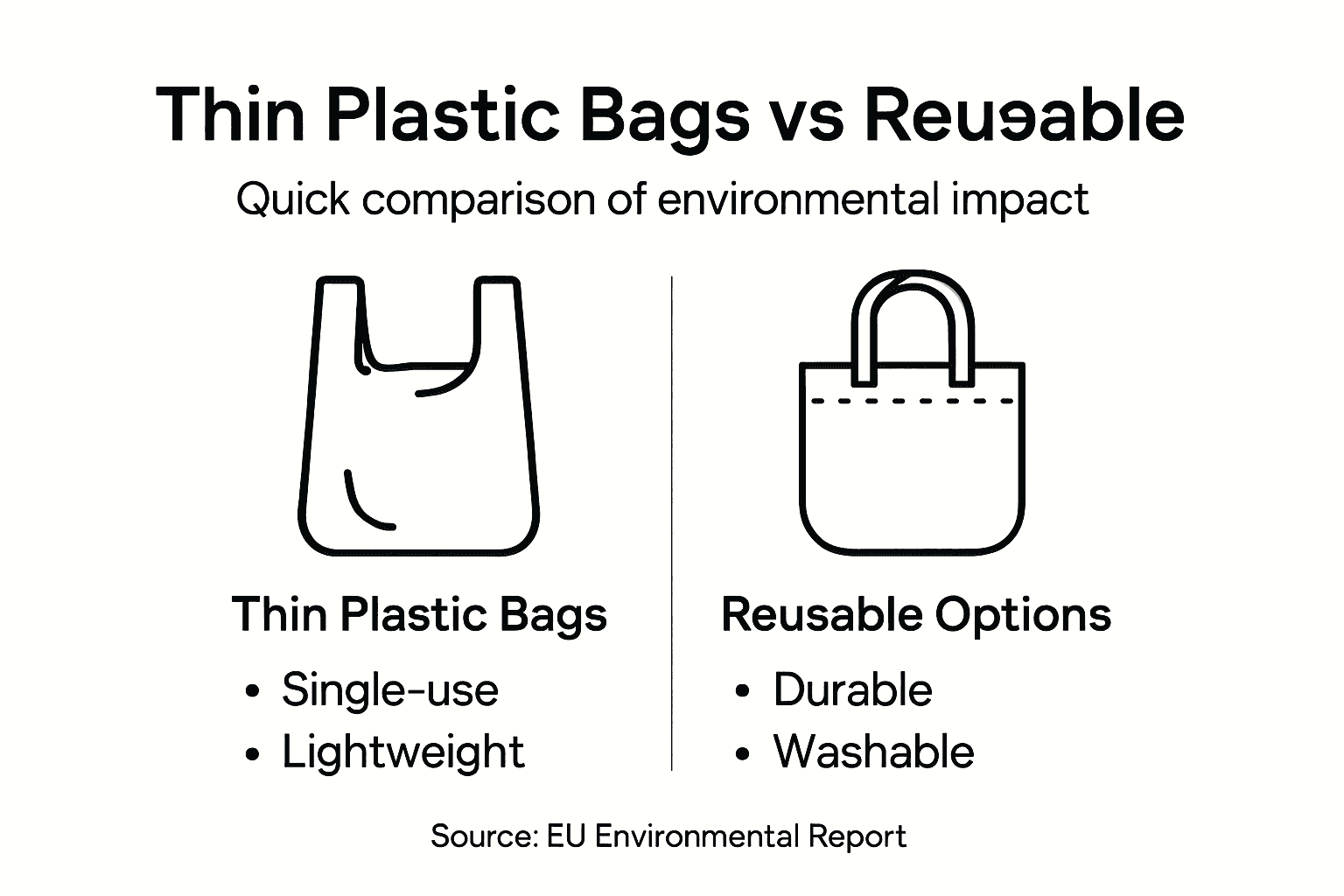
Here is a summary contrasting single-use thin plastic bags and reusable alternatives:
| Aspect | Thin Plastic Bags | Reusable Alternatives |
|---|---|---|
| Typical Use Duration | Under 15 minutes | Months to years |
| Resource Consumption | High per bag, low upfront | Higher upfront, lower overall |
| Environmental Impact | High, persistent pollution | Low, reduces waste |
| Regulatory Trend | Increasing bans/fees | Incentivized adoption |
| Perceived Convenience | Immediately available | Requires planning/ownership |
Life Cycle And Environmental Footprint Explained
The life cycle of free thin plastic bags encompasses multiple complex stages, each contributing to their substantial environmental impact. From raw material extraction to final disposal, these seemingly innocuous items generate significant ecological consequences that extend far beyond their brief moment of utility.
Life cycle assessments reveal intricate environmental dynamics that challenge simplistic perceptions. The typical environmental footprint includes several critical phases:
- Raw material extraction (petroleum-based polymers)
- Manufacturing and production processes
- Distribution and transportation
- Consumer usage period
- Waste management and disposal
- Long-term environmental degradation
During production, these bags consume significant energy resources and generate substantial greenhouse gas emissions. A single plastic bag’s carbon footprint might seem negligible, but millions of bags produced annually create a cumulative environmental burden that cannot be overlooked.
The disposal phase presents another critical environmental challenge. Most thin plastic bags are used for an average of 12 minutes but can persist in natural environments for hundreds of years. They fragment into microplastics, entering soil, waterways, and eventually the food chain, creating long-term ecological disruption.
The true environmental cost of a free plastic bag extends far beyond its momentary convenience.
Pro tip: Calculate your personal plastic bag usage and seek reusable alternatives to minimize environmental impact.
Major Effects On Marine And Land Ecosystems
Free thin plastic bags represent a devastating environmental threat to both marine and terrestrial ecosystems, creating complex and far-reaching consequences that extend well beyond their brief moment of utility. Their seemingly innocuous nature masks a profound capacity for ecological destruction across multiple environmental systems.
Plastic bag pollution generates multiple devastating ecological impacts, particularly in marine and terrestrial environments. The most significant consequences include:
- Direct marine wildlife mortality through ingestion
- Entanglement of marine species
- Microplastic contamination in water systems
- Soil quality degradation
- Disruption of natural habitat structures
- Introduction of toxic chemicals into food chains
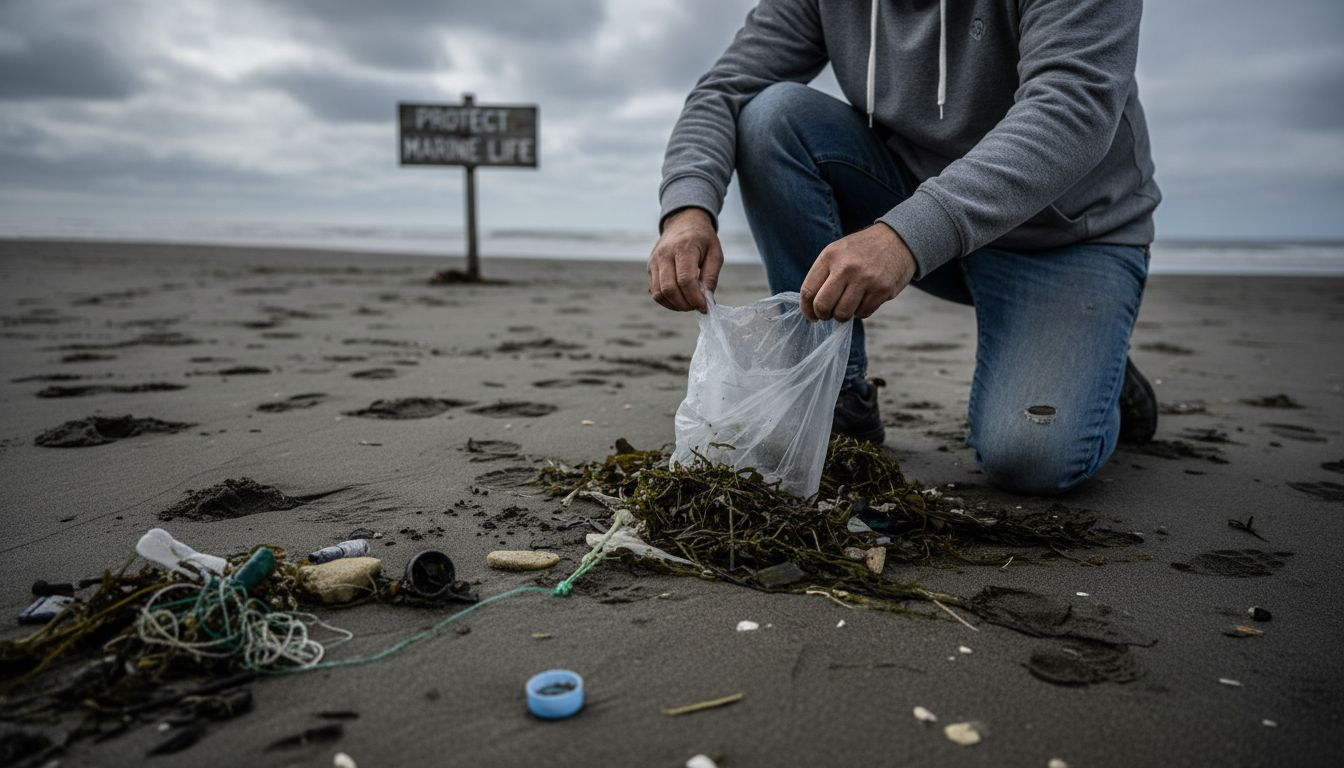
In marine ecosystems, plastic bags create catastrophic disruptions. Sea creatures frequently mistake these translucent materials for food, leading to fatal digestive blockages and nutritional deficiencies. Larger marine mammals like sea turtles and dolphins suffer particularly high risks, with plastic bags often causing slow, painful deaths through intestinal obstructions.
Terrestrial environments experience equally profound impacts. As plastic bags fragment, they release microplastic particles that penetrate soil structures, contaminating agricultural lands and disrupting underground ecosystems. These microscopic fragments can remain in soil for hundreds of years, gradually releasing toxic compounds that impair plant growth and compromise entire ecological networks.
Plastic bag pollution represents a silent, persistent threat to global ecosystem health.
Pro tip: Carry reusable bags and participate in local cleanup initiatives to directly reduce ecological damage.
Laws And Bans: Current EU And Global Regulations
The European Union has emerged as a global leader in implementing comprehensive regulations targeting free thin plastic bags, recognizing their substantial environmental impact. These regulatory efforts represent a sophisticated approach to addressing plastic pollution through strategic policy interventions.
EU Plastic Packaging Regulations establish a robust framework for reducing plastic waste across member states. The key regulatory components include:
- Binding reduction targets for plastic packaging
- Mandatory recyclability standards
- Restrictions on single-use plastic products
- Limitations on free plastic bag distribution
- Incentives for sustainable packaging alternatives
- Penalties for non-compliance with regulatory standards
Most European countries have implemented tiered approaches to plastic bag restrictions. Lightweight plastic bags under 15 microns face particularly stringent regulations, with exceptions primarily limited to medical, hygiene, and food safety applications. Some nations have introduced economic disincentives like mandatory charges, effectively discouraging single-use plastic bag consumption.
Globally, the regulatory landscape varies significantly. While the European Union leads with comprehensive policies, other regions are developing similar frameworks. Countries like Kenya, Rwanda, and Chile have implemented outright bans, demonstrating a growing international commitment to addressing plastic pollution through legislative action.
Effective plastic bag regulations require a multifaceted approach combining legal restrictions, economic incentives, and consumer education.
Pro tip: Stay informed about local plastic bag regulations and proactively adopt reusable alternatives.
The following table summarizes major global strategies addressing plastic bag pollution:
| Region/Country | Approach to Regulation | Notable Features |
|---|---|---|
| European Union | Tiered and targeted | Reduction targets, mandatory fees |
| Kenya/Rwanda/Chile | Full bans | Strict enforcement, major reductions |
| United States | State/local initiatives | Patchwork regulation, local bans |
| Australia | Retailer-led phase-outs | Voluntary and policy-driven |
| China | National level bans | Restricted production/distribution |
Why Hospitality Should Switch To Sustainable Options
The hospitality industry stands at a critical crossroads where environmental responsibility directly intersects with business success. Transitioning away from free thin plastic bags represents more than an ecological imperative—it’s a strategic business decision that can significantly enhance brand reputation and operational efficiency.
Sustainable hospitality practices are transforming the industry’s approach to single-use plastics. The key motivations for switching to sustainable alternatives include:
- Reducing environmental impact
- Meeting consumer expectations
- Lowering long-term operational costs
- Enhancing brand reputation
- Complying with emerging regulations
- Minimizing waste management expenses
Consumer preferences are rapidly shifting towards environmentally responsible businesses. Modern travelers, particularly younger demographics, actively seek out hotels and restaurants that demonstrate genuine commitment to sustainability. Sustainable procurement strategies can differentiate a hospitality business in an increasingly competitive market, attracting environmentally conscious guests who are willing to pay premium prices for responsible services.
Beyond consumer perception, sustainable alternatives offer tangible economic benefits. Reusable or biodegradable alternatives may have higher upfront costs but generate substantial savings through reduced waste management expenses, potential tax incentives, and improved operational efficiency. The long-term financial advantages far outweigh initial investment concerns.
Sustainability in hospitality is no longer optional—it’s a fundamental business strategy for future success.
Pro tip: Conduct a comprehensive audit of your current plastic usage and develop a phased transition plan towards sustainable alternatives.
Reusable Alternatives And Implementing Change Successfully
Transitioning from free thin plastic bags requires a strategic, comprehensive approach that addresses both environmental concerns and operational practicalities. Successful implementation demands more than simply replacing existing materials—it requires a holistic transformation of organizational practices and mindset.
Plastic waste reduction strategies for hospitality businesses should focus on systematic, multi-phase implementation. Key reusable alternatives include:
- Durable cotton or canvas shopping bags
- Recycled fabric tote bags
- Biodegradable paper bags
- Compostable plant-based materials
- Reusable silicone or mesh bags
- Sturdy synthetic alternatives with extended lifecycles
Successful change management requires comprehensive staff training and engagement. Organizational culture transformation plays a critical role in ensuring sustainable practices become embedded within daily operations. This involves creating clear communication channels, providing educational resources, and developing incentive structures that motivate employees to embrace new approaches.
Economic considerations are equally important when selecting reusable alternatives. While initial investment costs might seem higher, long-term savings and reduced environmental impact can significantly offset these expenses. Businesses should conduct thorough cost-benefit analyses, considering factors like durability, cleaning requirements, and potential marketing advantages of sustainable practices.
Sustainable transitions are not about perfection, but consistent, meaningful progress towards environmental responsibility.
Pro tip: Develop a phased implementation plan with measurable milestones and regular staff feedback sessions to ensure smooth transition.
Take Action Against Single-Use Plastic Waste with Sustainable Solutions
The widespread environmental damage caused by free thin plastic bags highlights a critical need for businesses to adopt sustainable alternatives that truly protect marine and land ecosystems. If your hospitality business is ready to reduce plastic pollution and meet growing consumer demands for environmental responsibility, now is the time to act. Switching from disposable plastics to durable, eco-friendly products can create lasting positive impact.
Discover how TheOceanStraw.com offers innovative, plant-based reusable straw solutions designed specifically for the foodservice and hospitality industry. Our products align perfectly with the regulatory trends and sustainability goals discussed in the article. Join countless businesses who have already embraced eco-conscious practices to lower their environmental footprint and elevate their brands. Visit TheOceanStraw.com to explore wholesale options and request samples today.
Frequently Asked Questions
What are free thin plastic bags and how do they differ from other plastic bags?
Free thin plastic bags are lightweight, single-use carrier bags, typically made from low-density polyethylene and designed for short-term use. They differ from other plastic bags mainly in thickness, weight, and intended usage, with thin plastic bags often under 50 microns and more likely to become litter.
What is the environmental impact of free thin plastic bags?
Free thin plastic bags contribute significantly to environmental pollution, as they can persist in the environment for hundreds of years. They often fragment into microplastics, which can contaminate soil and waterways, posing risks to wildlife and ecosystems.
How can individuals reduce their use of free thin plastic bags?
Individuals can minimize their use of free thin plastic bags by opting for reusable alternatives such as cotton or canvas bags, and by assessing their shopping habits to avoid unnecessary plastic use. Carrying reusable bags and planning shopping trips can also significantly help.
What changes are being made to regulations regarding free thin plastic bags?
Regulations surrounding free thin plastic bags are becoming stricter, with many areas implementing laws that restrict their distribution or impose fees on their use. These regulatory trends aim to reduce plastic consumption and promote the adoption of sustainable alternatives.
Recommended
- Plastic Bags and the Environment – How They Harm Our Planet – The Ocean Straw
- Effect of Plastic Bags on Environment: Global Impact – The Ocean Straw
- Environmental Impact of Plastic Packaging – Risks and Solutions – The Ocean Straw
- Understanding Single Use Plastic Impact on Environment – The Ocean Straw