
7 Ways Local Community Partnerships Boost HoreCa Success

Did you know that restaurants sourcing from local farms can see customer loyalty rates rise by over 30 percent? Supporting local partnerships not only keeps your kitchen stocked with fresher ingredients but also strengthens your reputation within the community. By working closely with farmers and engaging in local collaborations, HoreCa businesses gain access to unique flavors, reliable supply chains, and a deeper connection that appeals to today’s conscious consumer.
Quick Summary
| Takeaway | Explanation |
|---|---|
| 1. Build partnerships with local farmers | Connect with local farms to source fresher ingredients and support regional economies. |
| 2. Engage with community events | Participate in local events to boost brand visibility and deepen community connections. |
| 3. Commit to sustainability initiatives | Support local environmental efforts to enhance reputation and attract eco-conscious customers. |
| 4. Collaborate for cross-promotions | Partner with complementary businesses to create unique value propositions for customers. |
| 5. Establish feedback mechanisms | Implement ongoing communication with stakeholders to improve services and build community trust. |
Table of Contents
- Connect With Local Farmers For Fresh Ingredients
- Partner With Community Events To Increase Visibility
- Support Local Sustainability Initiatives In Your Area
- Collaborate With Nearby Businesses For Cross-Promotions
- Engage Guests In Local Experiences And Culture
- Sponsor Educational Workshops On Sustainability
- Establish Ongoing Feedback With Local Stakeholders
1. Connect with Local Farmers for Fresh Ingredients
Forging strong partnerships with local farmers represents a transformative strategy for HoreCa businesses seeking to elevate their ingredient quality and community reputation. By establishing direct connections with nearby agricultural producers, restaurants and hotels can unlock a world of culinary potential while simultaneously supporting regional economies.
Local farm partnerships deliver multiple strategic advantages that go far beyond simple ingredient sourcing. Fresh produce and direct supplier relationships create opportunities for menu innovation, supply chain reliability, and meaningful community engagement. According to research from Farm Stand App, these collaborations enhance customer loyalty by demonstrating shared values and commitment to local sustainability.
Implementing a successful local farmer partnership requires thoughtful planning and relationship building. Start by identifying farms within a reasonable delivery radius that align with your culinary standards. Attend local farmers markets, agricultural fairs, and community events to network and meet potential suppliers. Consider inviting farmers to visit your establishment or schedule site tours of their agricultural operations to develop deeper understanding and mutual trust.
Key benefits of local farmer partnerships include:
- Dramatically reduced ingredient transportation distances
- Significantly fresher product quality
- More transparent supply chain
- Enhanced seasonal menu flexibility
- Direct support for local agricultural economies
Restaurant and hotel leaders who proactively develop these relationships position themselves as community leaders. By prioritizing local sourcing, you create a compelling narrative that resonates with environmentally conscious customers while securing high quality ingredients that differentiate your culinary offerings.
The most successful partnerships emerge from genuine relationships built on mutual respect and shared goals. Take time to understand each farmer unique growing practices, seasonal availability, and production capabilities. Commit to consistent communication and fair pricing that supports their agricultural sustainability.
2. Partner with Community Events to Increase Visibility
Engaging with local community events represents a powerful strategy for HoreCa businesses seeking to expand their visibility and create meaningful connections beyond traditional marketing approaches. Strategic participation in community gatherings transforms your establishment from a mere service provider into an active community contributor.
Community event partnerships offer multifaceted benefits that extend far beyond simple brand exposure. According to research from Design Hotels, businesses that actively collaborate with local cultural events can experience up to 18% higher annual revenue while significantly enhancing guest satisfaction.
Successful event partnerships require a thoughtful and genuine approach. Look for opportunities that align with your brand values and resonate with your target audience. Local food festivals, cultural celebrations, charity fundraisers and seasonal community gatherings present excellent platforms for meaningful engagement.
Strategic event partnership approaches include:
- Sponsoring local cultural events
- Providing complimentary catering or refreshments
- Offering venue space for community gatherings
- Creating special menu items that celebrate local traditions
- Supporting nonprofit fundraising initiatives
The most effective community event strategies focus on authentic connection rather than pure promotional tactics. By demonstrating genuine commitment to local culture and community wellbeing, you create lasting impressions that translate into customer loyalty and positive word of mouth marketing.
Prioritize partnerships that showcase your unique strengths while contributing meaningful value to the community. Whether through culinary expertise, event support or creative collaborations, your goal is to become an integral part of the local social fabric. This approach transforms traditional business interactions into genuine relationship building that benefits both your establishment and the broader community.
3. Support Local Sustainability Initiatives in Your Area
Sustainability has transformed from a buzzword into a critical business strategy for HoreCa establishments seeking to create meaningful environmental impact and attract conscientious customers. Supporting local sustainability initiatives offers a powerful pathway to demonstrate corporate responsibility while contributing to broader ecological goals.
Environmental commitment represents more than just a marketing strategy it signals genuine engagement with community and global ecological challenges. International certification programs like Green Key International provide structured frameworks for hospitality businesses to implement comprehensive sustainability practices that reduce environmental footprint and enhance operational efficiency.
Implementing local sustainability initiatives requires a multifaceted approach that goes beyond simple recycling programs. Begin by conducting a comprehensive audit of your current environmental practices to identify areas for meaningful improvement. Engage with local environmental organizations environmental departments at nearby universities and community sustainability groups to understand specific regional ecological priorities.
Practical sustainability initiative strategies include:
- Participating in local watershed protection programs
- Supporting urban green space development
- Implementing comprehensive waste reduction protocols
- Collaborating with local environmental education centers
- Hosting community sustainability workshops
Successful sustainability efforts require authentic commitment and transparent communication. Customers increasingly evaluate businesses based on their environmental credentials so genuine efforts to support local ecological initiatives can significantly enhance your brand reputation. Share your sustainability journey through social media storytelling staff training and visible operational changes that demonstrate real world impact.
Remember that sustainability is an ongoing process of learning and improvement. By positioning your HoreCa business as a proactive environmental steward you create a compelling narrative that attracts environmentally conscious customers while contributing to meaningful community ecological goals.
4. Collaborate with Nearby Businesses for Cross-Promotions
Cross promotion strategies offer HoreCa businesses an innovative approach to expanding market reach while building powerful local network connections. By strategically partnering with complementary local businesses, you can create unique value propositions that attract new customers and strengthen community economic ecosystems.
Local business collaborations transform traditional marketing approaches into dynamic relationship building opportunities. According to research from Orderable, partnerships with local artisan producers like bakers, cheesemakers, and craft brewers can significantly enhance brand authenticity and menu creativity.
Successful cross promotional strategies require identifying businesses that share similar target audiences but offer complementary services. Think beyond direct competitors and explore creative synergies with local experiences. A hotel might partner with nearby tour operators while a restaurant could collaborate with local wineries or craft beverage producers to create unique tasting experiences.
Practical cross promotion approaches include:
- Creating joint promotional packages
- Developing collaborative menu or service offerings
- Sharing marketing resources and social media platforms
- Hosting combined customer appreciation events
- Developing referral programs with mutual incentives
The most effective cross promotions feel genuine and provide clear value to customers. Focus on creating experiences that go beyond simple transactional interactions. By demonstrating a commitment to local business ecosystems, you position your establishment as a community leader that supports regional economic development.
Remember that successful partnerships are built on mutual respect and shared goals. Take time to understand potential partners objectives and design collaborative strategies that create meaningful benefits for both businesses and their customers. Your willingness to think creatively and build genuine connections will set you apart in an increasingly competitive hospitality landscape.
5. Engage Guests in Local Experiences and Culture
Transforming guest experiences from standard hospitality services to immersive cultural journeys represents a powerful strategy for HoreCa businesses seeking deeper customer connections. Cultural engagement goes far beyond simple accommodation it creates memorable narratives that transform visitors into storytellers and brand ambassadors.
Cultural immersion experiences have proven to be significant drivers of customer satisfaction and loyalty. Research from Sustainability Studies demonstrates that social and cultural interactions within hospitality settings can dramatically enhance guest perceptions and likelihood of return visits.
Successful cultural engagement requires thoughtful curation of experiences that feel authentic and meaningful. Start by understanding your specific local cultural landscape. Identify unique traditions artisan skills historical narratives and community practices that make your region distinctive. Develop programming that allows guests to participate rather than simply observe cultural moments.
Effective cultural engagement strategies include:
- Hosting traditional craft workshops
- Organizing guided local history tours
- Featuring regional culinary demonstrations
- Inviting local musicians or performers
- Creating storytelling sessions with community elders
The most compelling cultural experiences feel genuine and provide meaningful connections. According to insights from Mold Studios, guests are seeking more than transactional interactions they want transformative moments that help them understand local contexts.
Remember that cultural engagement is about creating bridges of understanding. By positioning your establishment as a cultural gateway you offer guests more than a place to stay you provide them a window into the soul of your community. Authentic storytelling personal connections and thoughtful programming will distinguish your offering in an increasingly competitive hospitality landscape.
6. Sponsor Educational Workshops on Sustainability
Sponsoring educational sustainability workshops represents a powerful strategy for HoreCa businesses to drive meaningful environmental change while positioning themselves as industry leaders in ecological innovation. By investing in knowledge sharing and skill development, establishments can create ripple effects that transform local business practices and community awareness.
Sustainability education goes far beyond simple corporate social responsibility. According to insights from Fifty Shades Greener, targeted training programs can dramatically enhance environmental understanding and practical implementation of green practices across hospitality sectors.
Successful workshop sponsorship requires a strategic approach that combines practical skills training with inspirational content. Look for opportunities to collaborate with local environmental experts universities and sustainability organizations that can provide credible technical knowledge. The goal is to create learning experiences that are both informative and actionable.
Effective sustainability workshop strategies include:
- Funding professional certification programs
- Hosting guest speaker series on environmental topics
- Supporting staff training in green operational practices
- Providing scholarships for sustainability research
- Creating networking platforms for ecological innovators
Inspired by global leaders like Marriott’s Luxury Collection, who send chefs to specialized sustainability academies restaurants and hotels can pioneer similar initiatives. By investing in human capital and knowledge transfer you demonstrate a commitment that extends beyond immediate business interests.
Remember that true sustainability requires continuous learning and adaptation. Workshops should not be one time events but part of an ongoing commitment to environmental education. Your leadership can inspire broader industry transformation by creating platforms where professionals can share innovative solutions and collectively address ecological challenges.
7. Establish Ongoing Feedback with Local Stakeholders
Creating robust communication channels with local stakeholders transforms traditional business interactions into dynamic collaborative relationships. Systematic feedback mechanisms enable HoreCa businesses to continuously evolve their services while building deep community connections that drive long term success.
Stakeholder engagement represents more than collecting opinions it is about developing a responsive ecosystem where local voices directly influence business strategies. Research from Springer Link highlights how structured feedback can significantly enhance guest satisfaction and revisit intentions by integrating experiential innovations and local perspectives.
Implementing effective stakeholder feedback requires creating multiple accessible communication platforms. Develop structured approaches that invite input from diverse community groups including guests local business owners community leaders environmental experts and hospitality professionals. Consider establishing regular roundtable discussions advisory boards digital feedback portals and community listening sessions.
Practical stakeholder feedback strategies include:
- Creating digital feedback platforms
- Hosting quarterly community listening events
- Developing anonymous suggestion systems
- Implementing transparent response protocols
- Publicly sharing how feedback drives operational changes
Successful feedback mechanisms prioritize transparency and genuine commitment to improvement. Show stakeholders that their input creates real world changes by publicly demonstrating how community insights have shaped your business strategies. Highlight specific examples where local recommendations led to meaningful service enhancements or operational innovations.
Remember that establishing ongoing stakeholder feedback is a continuous journey of mutual learning and adaptation. By positioning your establishment as a responsive community partner you create trust build loyalty and develop a dynamic approach to service innovation that sets you apart in the competitive hospitality landscape.
Below is a comprehensive table summarizing the key strategies and benefits discussed throughout the article related to enhancing HoreCa businesses through local collaborations and sustainability efforts.
| Strategy | Implementation | Expected Benefits |
|---|---|---|
| Connect with Local Farmers | Develop direct connections, attend events, invite farm visits. | Fresher ingredients, menu innovation, support for local economy. |
| Partner with Community Events | Sponsor events, offer catering, create themed menu items. | Increased visibility, enhanced customer loyalty. |
| Support Local Sustainability Initiatives | Conduct audits, engage with local groups, implement waste reduction. | Enhanced brand reputation, reduced environmental footprint. |
| Collaborate with Other Businesses | Partner for cross-promotions, shared marketing resources. | Expanded market reach, strengthened community networks. |
| Engage Guests in Local Culture | Host workshops, tours, and performances. | Deeper customer connections, unique guest experiences. |
| Sponsor Sustainability Workshops | Collaborate with experts, host training sessions. | Industry leadership, community knowledge sharing. |
| Develop Ongoing Feedback Channels | Create digital platforms, host listening events. | Improved guest satisfaction, responsive service adjustments. |
Upgrade Your Local Partnerships with Sustainable Straws
Your HoreCa business wants to build strong local community partnerships and create an authentic story around sustainability. The article highlights how sourcing locally, supporting community events, and prioritizing environmental impact can set you apart. Yet, many establishments find it challenging to truly align their supply choices with these values, especially when it comes to single-use items like traditional straws, which can contradict your green initiatives.
Choosing compostable straws made from wood and plants directly supports your commitment to local sustainability and eco-friendly partnerships, just as discussed in the article. When you serve drinks with compostable options, you do more than meet customer expectations. You become part of the lasting change your community craves. Let your guests enjoy each beverage knowing their experience reflects your dedication to the environment.
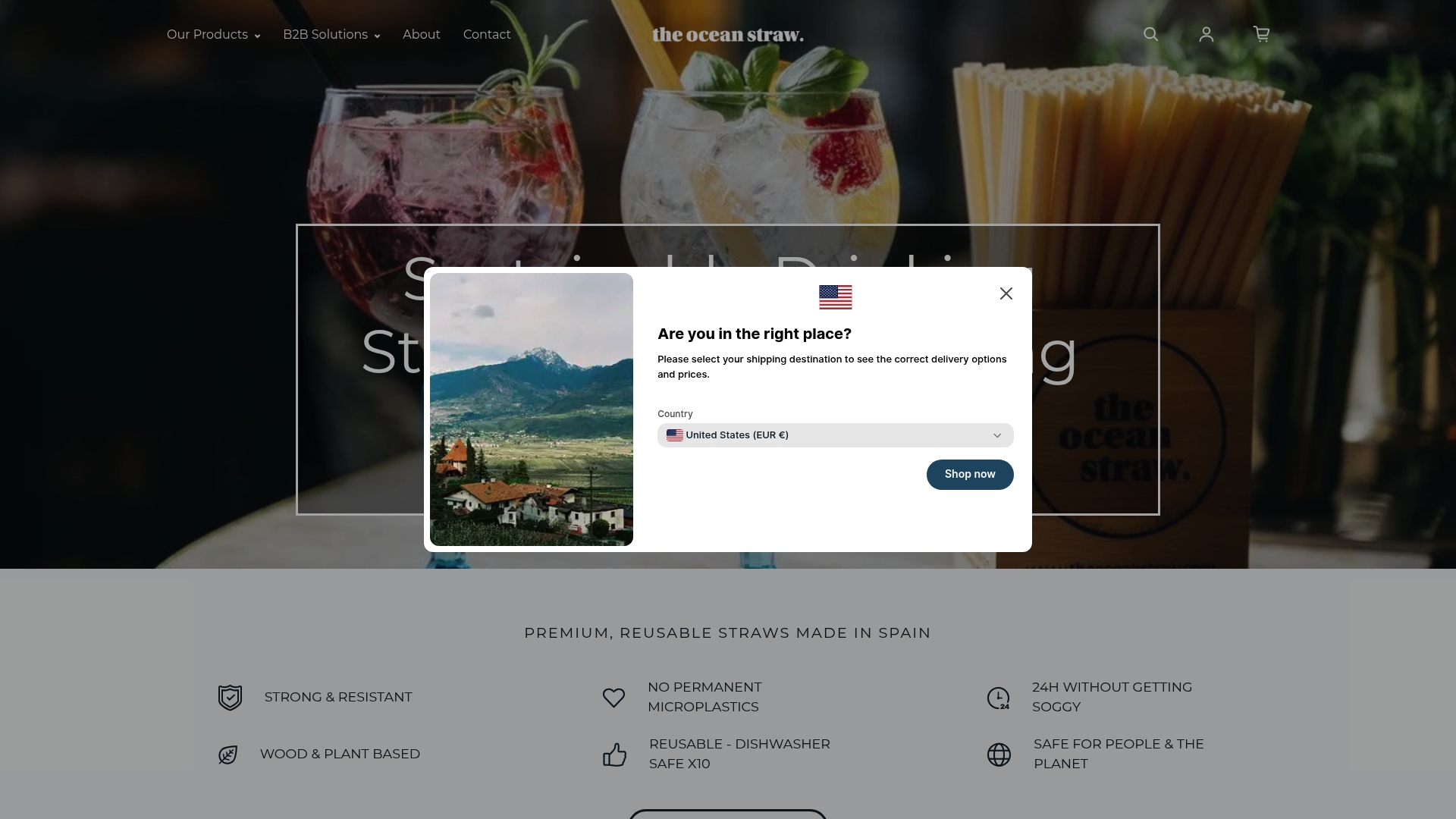
Ready to show your commitment to real community-driven hospitality? Explore our plant based and compostable straw solutions designed for the HoreCa market. Visit The Ocean Straw and start elevating your guest experience today. Build stronger connections by choosing products that match your values and act now to make every detail of your business count.
Frequently Asked Questions
How can local farmer partnerships improve ingredient quality in my HoreCa business?
Building partnerships with local farmers enhances ingredient freshness and supports sourcing transparency. Start by identifying nearby farms that match your culinary standards and engage with them directly to explore sourcing options.
What types of community events should my HoreCa business participate in for better visibility?
Participating in local food festivals, charity fundraisers, or cultural celebrations can significantly enhance your establishment’s visibility. Identify events that align with your brand values and actively engage by sponsoring or providing catering.
How can I effectively implement sustainability initiatives in my HoreCa establishment?
Begin by conducting an audit of your current practices to identify areas for improvement in sustainability. Engage with local environmental groups and implement initiatives like waste reduction or urban green space development within 60 days.
What steps should I take to develop cross-promotion strategies with other local businesses?
Identify businesses with complementary services and similar target audiences, then propose partnership ideas such as joint promotions or special events. Develop clear mutual benefits to create effective cross-promotions that resonate with both customer bases.
How do I create opportunities for cultural engagement with my guests?
Curate authentic cultural experiences by focusing on local traditions and community practices that resonate with your guests. Organize workshops or guided tours that allow guests to actively participate in local culture, enhancing their overall experience.
How can I establish ongoing feedback mechanisms with local stakeholders?
Create multiple platforms for gathering feedback, such as regular community listening events or digital suggestion systems. Commit to transparency by sharing how stakeholder input directly influences operational changes and enhances service within 30 days.