
Marine Resources Management: Protecting Oceans for Industry

Every year, Americans use over 500 million single-use plastic straws daily, causing significant harm to marine resources and ocean ecosystems. For eco-conscious restaurant owners and beverage professionals, choosing sustainable straw alternatives is about more than reputation—it is a direct action toward environmental responsibility. This article spotlights practical ways to support American conservation goals, protect marine biodiversity, and meet growing consumer demand for greener solutions.
Table of Contents
- Defining Marine Resources Management and Its Importance
- Types of Marine Resources and Industry Uses
- Key Strategies for Sustainable Ocean Management
- Legal Regulations and Global Governance
- Risks, Challenges, and Business Responsibilities
Key Takeaways
| Point | Details |
|---|---|
| Importance of Marine Resources Management | Effective management is essential for balancing economic needs and ecological preservation in oceanic ecosystems. |
| Types of Marine Resources | Both biological and physical resources are crucial for various industries, contributing to food security and economic productivity. |
| Strategic Approaches | Sustainable ocean management requires robust governance and stakeholder engagement to address challenges like overfishing and pollution. |
| Business Responsibilities | Companies must adopt proactive environmental stewardship and innovate management strategies to ensure sustainable resource use. |
Defining Marine Resources Management and Its Importance
Marine Resources Management represents a comprehensive strategy for protecting, monitoring, and sustainably utilizing oceanic ecosystems and their abundant resources. At its core, this discipline focuses on balancing human economic needs with ecological preservation through strategic environmental stewardship.
Marine resources encompass a wide range of biological and physical assets found within ocean environments. These include marine biodiversity, fisheries, mineral deposits, energy resources, and ecosystem services that are critical for global economic stability and environmental health. Sustainable development goals emphasize the importance of conserving these resources to support food security, economic growth, and climate regulation.
The practice of marine resources management involves complex interdisciplinary approaches that integrate scientific research, legal frameworks, and conservation initiatives. Professionals in this field work to address critical challenges such as overfishing, pollution, habitat destruction, and the impacts of climate change. By developing comprehensive management strategies, they aim to protect marine ecosystems while enabling responsible human interaction and economic development.
Pro tip: Develop a holistic understanding of marine ecosystems by combining scientific knowledge with practical conservation strategies, recognizing that economic and environmental goals can be complementary rather than competing objectives.
Types of Marine Resources and Industry Uses
Marine resources represent a critical ecosystem of economic and environmental value, spanning multiple categories that support diverse global industries. Marine biological and physical resources include an extensive range of materials that drive economic productivity across multiple sectors, from energy production to food manufacturing.
Biological marine resources encompass living organisms critical for industrial and nutritional purposes. These include commercial fish species, shellfish, marine mammals, seaweeds, and microorganisms used in pharmaceutical research. Fisheries and aquaculture industries rely heavily on these biological resources, generating significant economic value while supporting global food security and nutritional needs.
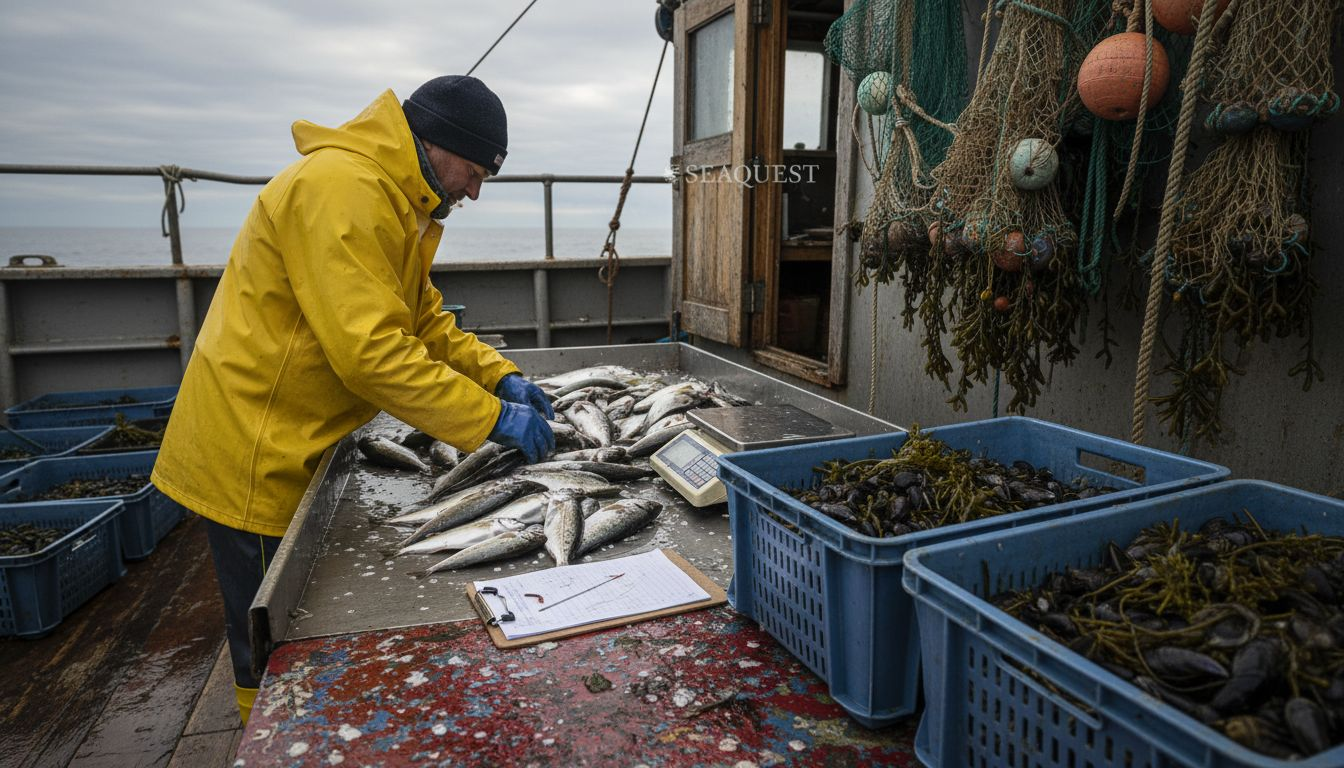
Physical marine resources represent another essential category of industrial materials. These include mineral deposits, fossil fuels, renewable energy sources, and construction materials extracted from marine environments. Offshore petroleum exploration, deep-sea mining, wave and tidal energy technologies, and marine aggregate extraction are prime examples of industries leveraging these physical resources for economic development and technological innovation.
Pro tip: Develop comprehensive marine resource management strategies that balance ecological preservation with sustainable industrial development, recognizing the interconnected nature of marine ecosystems and economic progress.
Here’s a summary of the main types of marine resources and how industries utilize them:
| Resource Type | Key Examples | Main Industry Uses |
|---|---|---|
| Biological | Fish, seaweed, shellfish | Food production, pharmaceuticals |
| Physical | Oil, gas, minerals | Energy, construction, technology |
| Ecosystem Services | Climate regulation, habitat support | Fisheries management, tourism, research |
Key Strategies for Sustainable Ocean Management
Sustainable ocean management requires a comprehensive approach that integrates ecological preservation with economic development. Sustainable Ocean Plans represent a critical framework for balancing human activities with marine ecosystem protection, addressing complex challenges like overfishing, pollution, and climate change impacts.
Key strategic approaches include establishing robust governance structures that promote multi-sector collaboration and scientific cooperation. These strategies emphasize comprehensive planning that considers environmental, economic, and social dimensions of marine resource utilization. Effective management requires developing evidence-based policies, implementing conservation measures, and creating adaptive frameworks that can respond to changing ecological conditions and industrial demands.
Successful ocean management also demands active stakeholder engagement and international cooperation. This involves creating transparent decision-making processes, supporting technical and financial assistance programs, and developing shared best practices across different regions and industrial sectors. By prioritizing biodiversity conservation, food security, and climate resilience, these strategies aim to create balanced approaches that support both ecological health and economic productivity.
Pro tip: Develop integrated marine management strategies by fostering collaboration between scientific researchers, industry professionals, and policy makers to create holistic, adaptive approaches to ocean conservation.
Below is a comparison of strategies for effective and sustainable ocean management:
| Strategy Focus | Essential Actions | Expected Results |
|---|---|---|
| Governance | Multi-sector cooperation | Balanced resource use |
| Conservation | Biodiversity protection | Resilient ecosystems |
| Stakeholder Engagement | Collaborative planning | Transparent decision-making |
Legal Regulations and Global Governance
Global ocean governance represents a complex system of international legal frameworks designed to protect marine ecosystems while facilitating sustainable resource management. United Nations Convention on the Law of the Sea provides the foundational legal infrastructure that establishes comprehensive guidelines for maritime activities, resource utilization, and environmental conservation.
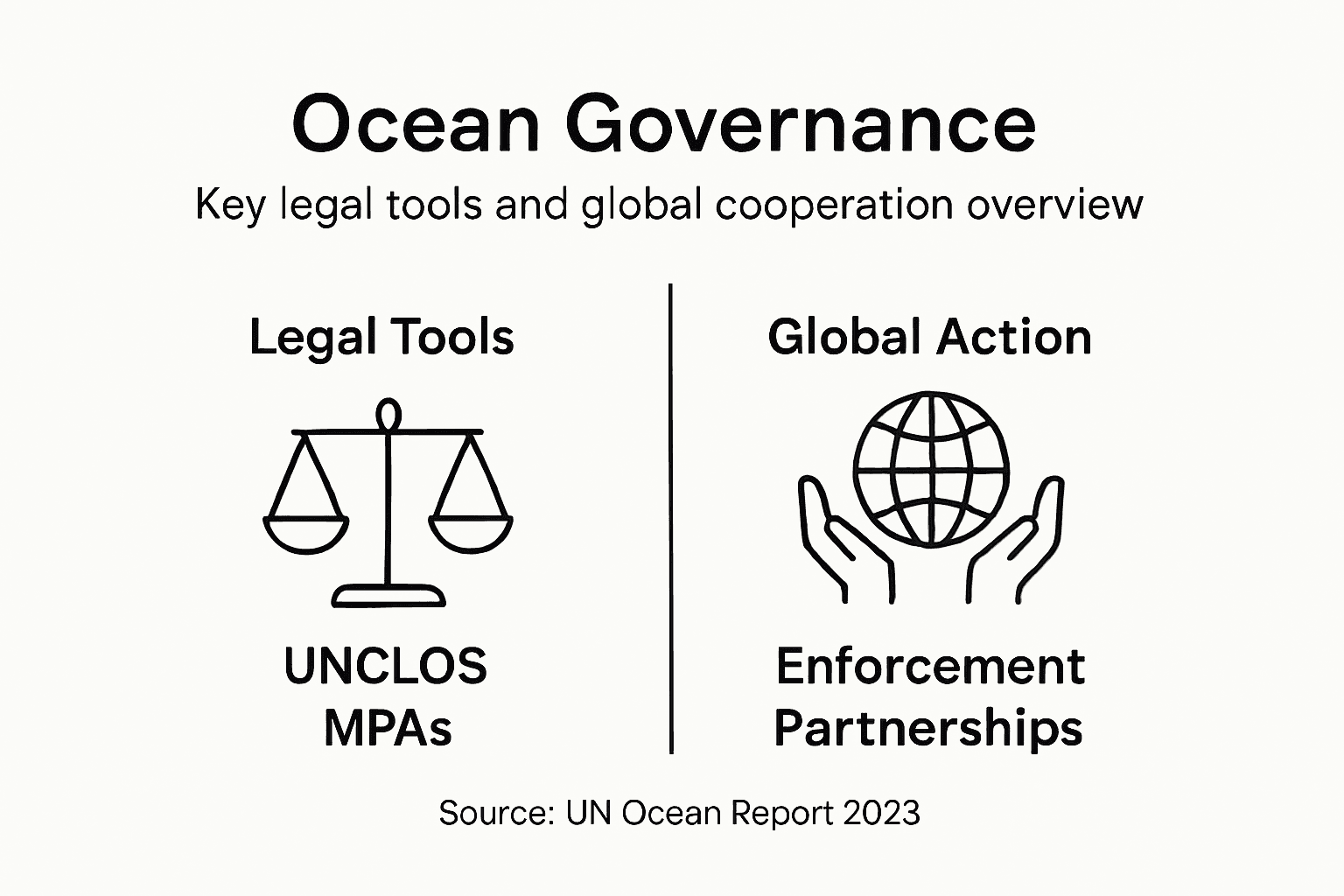
Key legal instruments encompass a broad range of regulatory mechanisms addressing critical marine management challenges. These include international agreements on pollution prevention, marine protected area designations, sustainable fishing protocols, and frameworks for managing maritime boundaries. Governments and international organizations collaborate to develop and enforce regulations that balance economic interests with ecological preservation, creating adaptive governance structures responsive to emerging environmental challenges.
Effective ocean governance requires multilateral cooperation and robust enforcement mechanisms. This involves developing transparent decision-making processes, establishing scientific monitoring programs, and creating accountability systems that track compliance with international maritime regulations. By integrating legal frameworks with scientific research and stakeholder engagement, these governance strategies aim to protect marine biodiversity, support sustainable economic development, and mitigate the impacts of climate change on ocean ecosystems.
Pro tip: Develop comprehensive understanding of maritime legal frameworks by regularly reviewing international ocean governance updates and participating in cross-sector dialogues that bridge scientific, economic, and policy perspectives.
Risks, Challenges, and Business Responsibilities
Businesses engaged in marine industries face increasingly complex challenges that demand sophisticated and adaptive strategies for sustainable resource management. Marine bioresource development confronts significant technological, economic, and environmental barriers that require comprehensive risk mitigation approaches.
Primary risks include ecosystem degradation, stock depletion, and potential economic losses resulting from unsustainable practices. Businesses must navigate intricate challenges such as overfishing, pollution management, climate change impacts, and maintaining biodiversity while preserving economic productivity. This necessitates developing innovative management strategies that integrate scientific research, technological solutions, and responsible corporate practices to minimize environmental disruption and ensure long-term resource sustainability.
Corporate responsibilities extend beyond compliance to proactive environmental stewardship. Companies operating in marine industries must implement rigorous monitoring systems, invest in sustainable technologies, support conservation initiatives, and transparently report environmental impacts. By adopting holistic approaches that balance economic interests with ecological preservation, businesses can contribute to global marine resource protection while maintaining competitive economic performance.
Pro tip: Develop comprehensive environmental risk assessment protocols that integrate scientific data, technological innovations, and stakeholder perspectives to create adaptive and responsive marine resource management strategies.
Drive Sustainable Change in Marine Resource Management with Eco-Friendly Solutions
The challenge of protecting marine ecosystems while supporting sustainable industrial growth calls for proactive steps in reducing environmental impact. This article highlights the critical need for integrated approaches that address pollution and resource preservation. One practical way to contribute is by eliminating single-use plastics that harm ocean habitats and biodiversity.
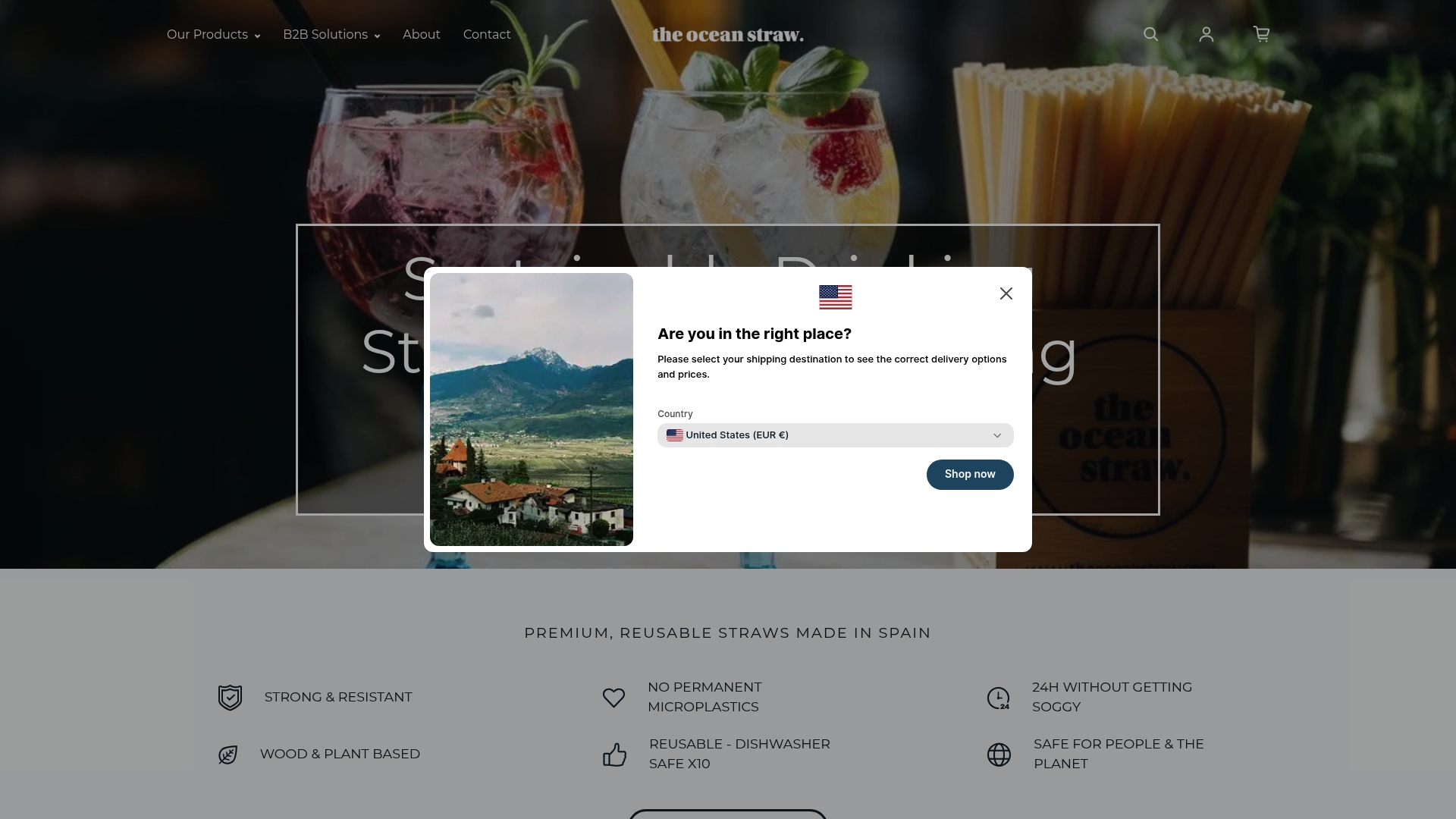
Boost your business’s commitment to ocean conservation by switching to durable, biodegradable alternatives like the innovative straws offered at TheOceanStraw.com. Perfect for the foodservice and hospitality industry, these reusable straws help minimize plastic waste, aligning your operations with global marine resource management goals. Explore our full range of eco-conscious products now and take immediate action toward protecting our oceans while enhancing your sustainability initiatives. Visit TheOceanStraw.com to learn more and request samples today.
Frequently Asked Questions
What is marine resources management?
Marine resources management is a comprehensive strategy focused on protecting and sustainably utilizing oceanic ecosystems and their resources, aiming to balance human economic needs with ecological preservation.
Why is marine resources management important?
It is essential for conserving marine biodiversity, ensuring food security, supporting economic growth, and regulating climate by protecting ocean ecosystems.
What types of marine resources are there?
Marine resources include biological resources like fish and seaweed, physical resources such as oil and minerals, and ecosystem services that provide critical functions like climate regulation and habitat support.
What are some key strategies for sustainable ocean management?
Key strategies include establishing robust governance structures, promoting multi-sector collaboration, engaging stakeholders, and developing evidence-based policies that integrate ecological preservation with economic development.