
Ocean Pollution Effects on Animals: Complete Guide

Over eight million tons of plastic enter the ocean every year, making marine pollution one of the planet’s most urgent threats. The problem stretches far beyond floating garbage and reaches deep into the water, where invisible toxins and microplastics destroy marine life and food chains. Understanding what ocean pollution really means and exposing common misconceptions are the first steps to making a difference for our oceans and our future.
Table of Contents
- Ocean Pollution: Key Definitions And Myths
- Major Types Of Ocean Pollution Impacting Animals
- How Pollution Harms Marine Animal Health
- Ecosystem And Food Chain Disruptions
- Reducing Ocean Pollution: Sustainable Business Solutions
Key Takeaways
| Point | Details |
|---|---|
| Complexity of Ocean Pollution | Ocean pollution includes various contaminants such as chemicals, plastics, and noise, posing significant threats to marine ecosystems. |
| Impact on Marine Life | Pollution leads to severe physiological, reproductive, and nutritional challenges for marine animals, undermining their health and survival. |
| Ecosystem Disruption | Pollution causes systematic breakdowns in marine food webs, leading to species population collapses and habitat destruction. |
| Role of Businesses | Companies can play a pivotal role in reducing ocean pollution through sustainable practices, innovative product designs, and effective waste management strategies. |
Ocean Pollution: Key Definitions and Myths
Ocean pollution represents a complex environmental challenge that extends far beyond simple waste disposal. According to National Geographic, marine pollution encompasses multiple categories including chemical, plastic, light, and noise contamination that fundamentally disrupt marine ecosystems.
At its core, ocean pollution involves the direct or indirect introduction of harmful substances, materials, or energy into marine environments. The Ocean Service highlights several primary sources of pollution, such as oil spills, marine debris, industrial runoff, agricultural chemicals, and harmful algal blooms. These contaminants can originate from land based activities, maritime operations, and atmospheric depositions, creating a multifaceted environmental challenge.
Common myths about ocean pollution often underestimate its profound impact. Many people mistakenly believe that marine ecosystems can naturally recover from contamination or that pollution is limited to visible trash. However, scientific research demonstrates that microscopic pollutants like microplastics and chemical residues can persist for decades, causing long term damage to marine food chains and biodiversity. Impact of Plastic Waste on Marine Life provides deeper insights into these intricate environmental interactions.
Key characteristics of ocean pollution include:
- Persistent contamination that accumulates over time
- Widespread environmental disruption across marine habitats
- Complex interactions between different pollutant types
- Significant risks to marine species and human health
- Global ecological consequences beyond localized impact
Understanding these nuanced definitions helps businesses and individuals recognize the urgent need for sustainable practices and comprehensive environmental protection strategies.
Major Types of Ocean Pollution Impacting Animals
Ocean pollution presents a severe threat to marine ecosystems, with multiple contamination types systematically destroying animal habitats and biological systems. According to Oceans Alive, marine animals face multiple devastating pollution challenges that disrupt their entire ecological balance.
Plastic Pollution represents the most visible and pervasive threat to marine wildlife. Microplastics and larger debris create devastating consequences for sea creatures, who often mistake these materials for food or become entangled in discarded materials. The Institute for Environmental Research and Education highlights that plastic contamination ranges from microscopic fragments to massive fishing nets, each posing unique risks to marine animal populations.
The primary types of ocean pollution impacting animals include:
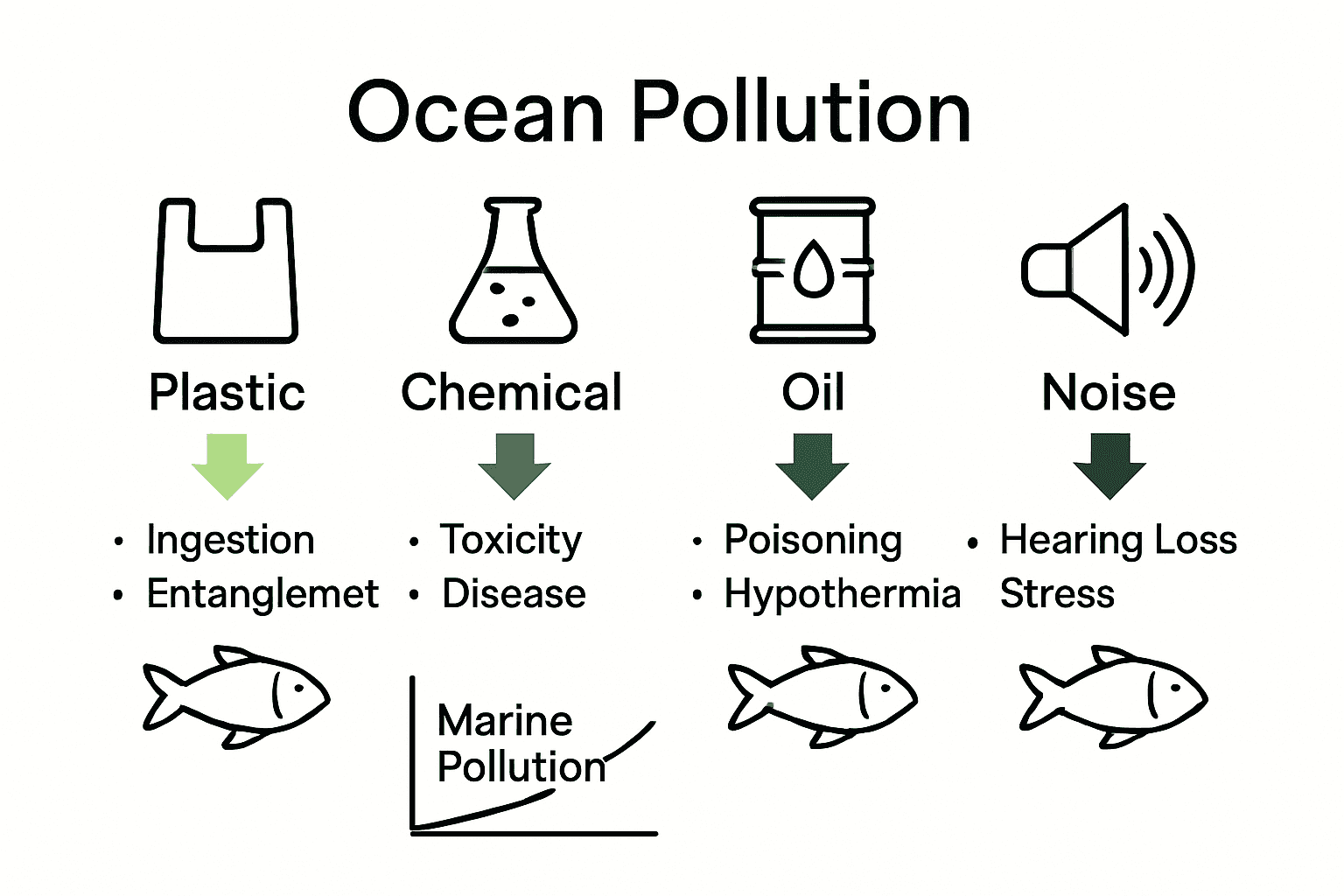
- Chemical Contamination: Industrial chemicals, pesticides, and heavy metals that accumulate in marine food chains
- Plastic Debris: Ranging from large abandoned fishing nets to microscopic microplastics
- Nutrient Pollution: Agricultural runoff causing harmful algal blooms
- Oil Spills: Devastating toxic events that destroy marine habitats instantly
- Noise Pollution: Underwater sound disruptions affecting marine communication and navigation
Understanding these pollution types is crucial for developing targeted conservation strategies.
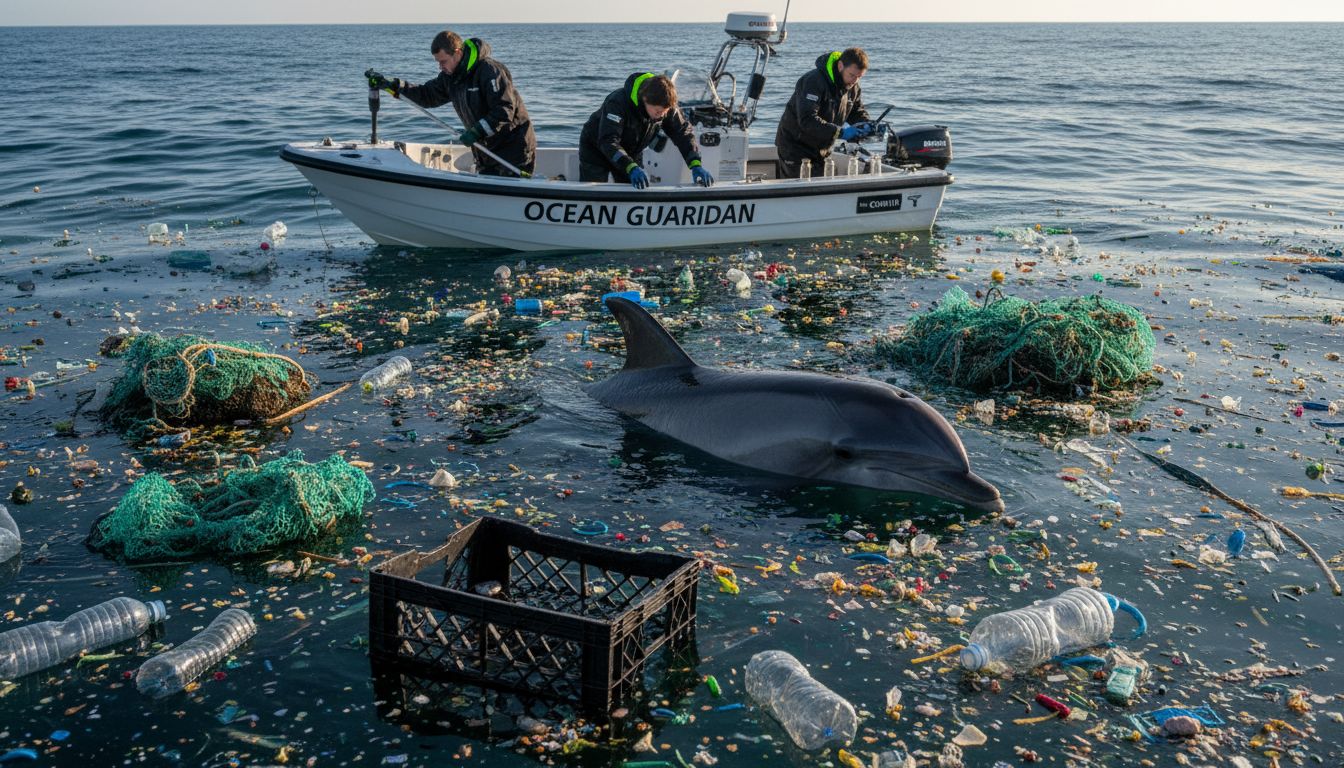 Plastic Pollution and Sea Life provides deeper insights into how these contaminants specifically impact marine animal populations, emphasizing the urgent need for comprehensive environmental protection measures.
How Pollution Harms Marine Animal Health
Ocean pollution presents a profound and multifaceted threat to marine animal health, creating complex biological challenges that compromise entire ecosystem survival. According to the Institute for Environmental Research and Education, marine animals experience devastating health consequences from pollutant exposure, ranging from direct physical injuries to long term genetic disruptions.
Toxin Accumulation represents one of the most insidious mechanisms of pollution damage. Marine animals absorb chemical contaminants through multiple pathways, including direct water exposure, contaminated food sources, and microplastic ingestion. These toxins can trigger severe physiological responses, including compromised immune systems, reproductive failures, and cellular mutations that propagate through generational biological networks.
The primary health impacts on marine animals include:
- Physiological Disruption: Hormonal imbalances and metabolic dysfunction
- Reproductive Challenges: Reduced fertility and genetic abnormalities
- Immune System Degradation: Increased vulnerability to diseases
- Nutritional Interference: Microplastics replacing essential dietary nutrients
- Physical Trauma: Direct injuries from entanglement and ingestion
Understanding the Negative Effects of Ocean Pollution provides critical insights into how these complex contamination processes fundamentally threaten marine biodiversity, emphasizing the urgent need for comprehensive environmental intervention strategies.
Ecosystem and Food Chain Disruptions
Ocean pollution creates catastrophic disruptions to marine ecosystems, fundamentally altering the delicate balance of interconnected biological networks. According to the Institute for Environmental Research and Education, pollution leads to the systematic breakdown of marine food webs, creating expansive dead zones where entire species populations collapse and ecosystem functionality becomes critically compromised.
Bioaccumulation emerges as a particularly dangerous mechanism of ecosystem destruction. The Marine Biodiversity Science Center explains that toxic chemicals progressively concentrate through marine food chains, with each predatory level absorbing increasingly higher toxin concentrations. This process means that top predators like sharks, whales, and large fish accumulate devastating levels of pollutants, dramatically reducing their reproductive capabilities and overall population health.
The primary mechanisms of ecosystem disruption include:
- Species Population Collapse: Dramatic reductions in key marine species
- Predatory Network Destabilization: Interruption of natural hunting and feeding patterns
- Reproductive Interference: Reduced fertility across multiple species
- Habitat Destruction: Compromising critical marine environments
- Nutritional Chain Breakdown: Disrupting energy transfer between organism levels
Understanding Environmental Damage Created by Plastic provides additional context into how these intricate ecosystem disruptions threaten global marine biodiversity, highlighting the urgent need for comprehensive environmental protection strategies.
Reducing Ocean Pollution: Sustainable Business Solutions
Businesses play a critical role in mitigating ocean pollution, with strategic interventions capable of creating substantial environmental impact. According to National Geographic, companies across industries have unprecedented opportunities to transform their operational practices and significantly reduce marine ecosystem damage through comprehensive sustainability strategies.
Sustainable Product Design emerges as a fundamental approach for businesses committed to ocean conservation. This involves reimagining product lifecycles, selecting environmentally responsible materials, and implementing closed-loop manufacturing processes that minimize waste generation. By prioritizing recyclable, biodegradable alternatives and reducing single-use plastics, organizations can directly interrupt the pollution pipeline that threatens marine environments.
Key sustainable business solutions include:
- Supply Chain Transformation: Selecting eco-friendly suppliers and materials
- Waste Reduction Protocols: Implementing comprehensive recycling and waste management systems
- Product Innovation: Developing alternatives to traditional plastic-based products
- Carbon Footprint Monitoring: Tracking and minimizing environmental impact
- Circular Economy Integration: Creating regenerative business models
How to Prevent Plastic Pollution in the Ocean provides additional strategies for businesses looking to develop meaningful environmental protection initiatives, demonstrating that sustainable practices can simultaneously benefit ecological health and organizational performance.
Protect Marine Life by Choosing Sustainable Alternatives
Ocean pollution deeply impacts marine animals through toxic chemical build-up, plastic debris, and ecosystem disruption. This article reveals how these pollution types harm physiological and reproductive health, making the survival of countless species uncertain. If you are a business aiming to reduce your environmental footprint and contribute to ocean conservation efforts, turning to sustainable product choices can make a critical difference.
At TheOceanStraw.com, we offer durable, biodegradable drinking straws made from innovative wood and plant-based materials to help you eliminate single-use plastics that pollute our oceans. Our eco-friendly straws support your commitment to sustainability, reduce harmful plastic waste, and protect marine ecosystems from further damage. Explore our range to align your business with proven environmental solutions and act now to be a part of the positive change. Start your journey toward plastic pollution prevention by visiting TheOceanStraw.com and request samples to experience the quality and benefits firsthand.
Frequently Asked Questions
What are the main types of ocean pollution that impact marine animals?
The primary types of ocean pollution that affect marine animals include plastic debris, chemical contamination, nutrient pollution, oil spills, and noise pollution.
How does ocean pollution harm the health of marine animals?
Ocean pollution causes harm through toxin accumulation, leading to physiological disruptions, reproductive challenges, immune system degradation, nutritional interference, and physical trauma from entanglement or ingestion.
What is bioaccumulation and how does it affect marine ecosystems?
Bioaccumulation is the process where toxic chemicals progressively concentrate through marine food chains, harming top predators and destabilizing entire ecosystems by reducing species population and reproductive capabilities.
How can businesses contribute to reducing ocean pollution?
Businesses can reduce ocean pollution by adopting sustainable practices, such as transforming supply chains, implementing waste reduction protocols, innovating eco-friendly products, monitoring carbon footprints, and integrating circular economy models.