
Plastic Affecting Animals – Risks for Marine Life

Every American restaurant owner faces growing pressure to rethink plastic use as scientists warn that over one million marine animals die each year from plastic pollution. As awareness spreads about synthetic waste entering food chains, this issue takes on new urgency for businesses committed to ocean stewardship. For those seeking practical ways to replace plastic straws and protect marine life, exploring actionable solutions can help restaurants stand out as true sustainability leaders in North America.
Table of Contents
- Defining Plastic Pollution and Animal Exposure
- Major Types of Harm: Ingestion and Entanglement
- How Plastics Impact Animal Health Globally
- Microplastics and Food Chain Contamination
- Industry and Regulatory Actions Toward Solutions
Key Takeaways
| Point | Details |
|---|---|
| Impact on Wildlife | Plastic pollution harms animals through ingestion and entanglement, leading to health complications and increased mortality rates. |
| Microplastics in Food Chain | Microplastics infiltrate food chains, bioaccumulating toxins that disrupt metabolic processes and harm overall ecosystem health. |
| Regulatory Actions | Governments are enacting policies to reduce plastic production and improve waste management, aiming to protect animal habitats and reduce environmental impact. |
| Business Responsibility | Restaurant owners can play a crucial role in mitigating plastic pollution by adopting sustainable practices and educating staff on waste management. |
Defining Plastic Pollution and Animal Exposure
Plastic pollution represents a complex environmental challenge where synthetic materials derived from fossil fuels contaminate ecosystems worldwide. Detailed scientific analysis of marine contamination reveals how these materials penetrate diverse habitats, creating significant risks for animal populations through multiple exposure pathways.
The process of plastic pollution involves the continuous breakdown of synthetic polymers into progressively smaller particles. These particles transition from macro to micro and eventually nanoplastics, enabling them to infiltrate biological systems at cellular levels. Comprehensive plastic waste research demonstrates that animals encounter these materials through three primary mechanisms: direct physical contact, active ingestion, and habitat contamination.
Marine environments experience particularly severe plastic pollution impacts. Small marine organisms like plankton and filter feeders accidentally consume microplastics, introducing these synthetic materials into entire food chains. Larger marine animals such as sea turtles, whales, and seabirds frequently mistake plastic debris for food, leading to digestive blockages, malnutrition, and potential fatalities. Plastic particles can also absorb toxic chemicals, further amplifying their potential harm to marine ecosystems.
Pro tip: Restaurant owners can reduce marine plastic pollution by replacing single-use plastic straws with sustainable alternatives and implementing comprehensive waste management practices.
Major Types of Harm: Ingestion and Entanglement
Plastic pollution poses two primary threats to animal populations: ingestion and physical entanglement. Widespread wildlife interactions with plastic debris demonstrate how these synthetic materials create devastating ecological consequences across multiple species and habitats.
Ingestion represents a critical pathway of harm where animals mistake plastic fragments for food. Small marine organisms like plankton and filter feeders consume microplastics, introducing synthetic materials into entire food chains. Larger marine animals such as sea turtles, whales, and seabirds frequently ingest plastic debris, leading to severe health complications. Plastic pollution impacts on animal health reveal that these materials can cause physical blockages, chemical toxicity, and significant metabolic disruptions.
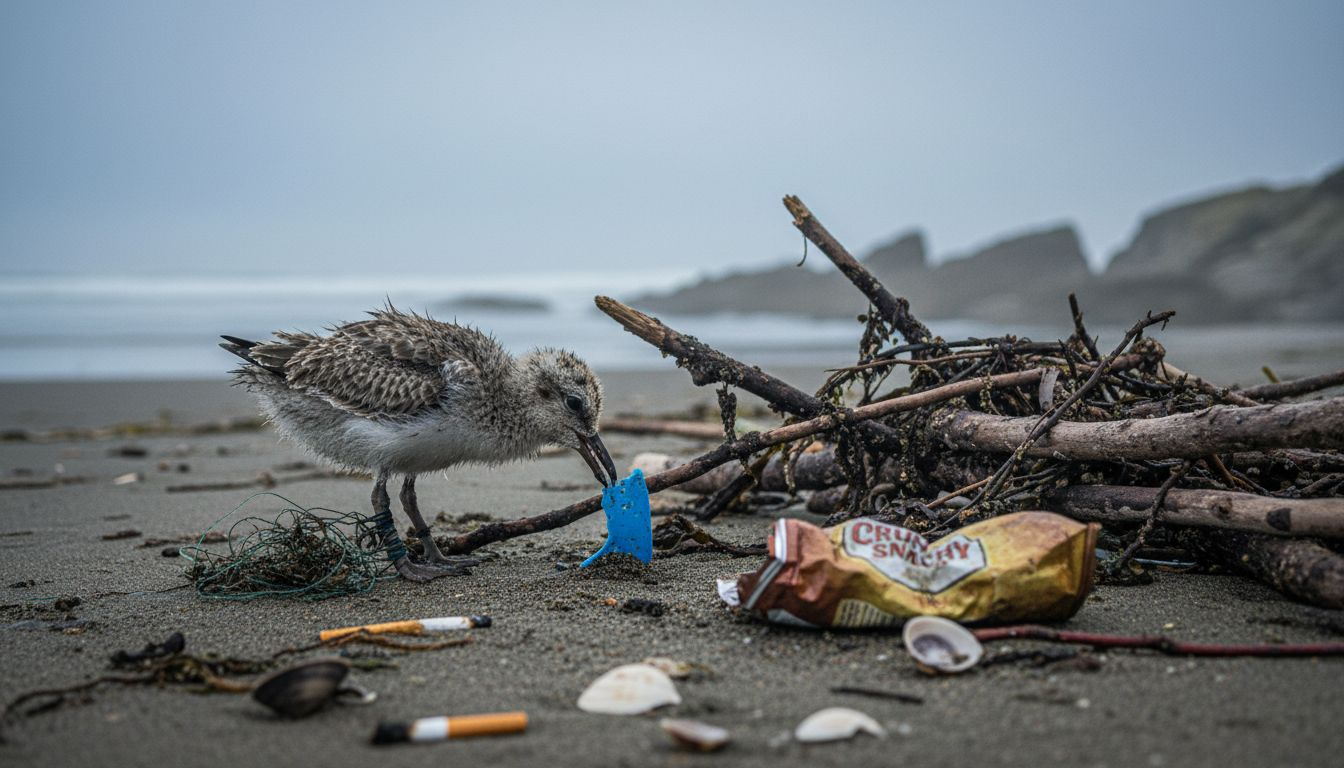
Entanglement presents another dangerous mechanism of plastic pollution. Marine animals frequently become trapped in abandoned fishing nets, packaging materials, and other discarded plastic equipment. These encounters restrict animal movement, cause physical injuries, and dramatically increase mortality rates. Sea turtles, marine mammals, and seabirds are particularly vulnerable, with entanglement often leading to restricted feeding capabilities, reduced mobility, and ultimately, potential death.
Here is a comparison of the primary ways plastics impact animals:
| Exposure Pathway | Effects on Wildlife | Ecosystem Consequences |
|---|---|---|
| Ingestion | Blockages, malnutrition | Toxin accumulation in food chains |
| Entanglement | Injury, restricted movement | Increased mortality in populations |
| Habitat Contamination | Chronic stress, lower fitness | Biodiversity decline |
Pro tip: Restaurant owners can contribute to marine conservation by implementing responsible waste management practices and choosing suppliers committed to reducing plastic packaging.
How Plastics Impact Animal Health Globally
Plastic pollution represents a profound threat to global animal health, creating complex and multifaceted challenges across diverse ecosystems. Global impacts of plastic contamination reveal intricate mechanisms through which synthetic materials systematically compromise animal physiological systems and environmental integrity.
The primary mechanisms of animal health disruption include chemical toxicity, physical injury, and metabolic interference. Microplastics penetrate biological systems, causing oxidative stress and inflammatory responses that undermine immune function. Toxic chemicals leached from plastic materials can disrupt hormonal balances, potentially impacting reproductive capabilities and genetic stability across multiple species. These contamination pathways create cascading effects that extend beyond individual animal health to broader ecosystem dynamics.
Biodiversity loss through plastic pollution demonstrates how these environmental intrusions systematically erode wildlife populations. Marine, terrestrial, and aquatic animals experience reduced reproductive success, increased mortality rates, and compromised survival mechanisms. Smaller organisms like plankton and microorganisms serve as initial vectors, introducing toxic plastic fragments into complex food chains and amplifying environmental damage across interconnected biological networks.
Pro tip: Restaurant owners can minimize plastic pollution impacts by selecting sustainable packaging, implementing comprehensive recycling programs, and educating staff about responsible waste management practices.
Microplastics and Food Chain Contamination
Microplastics represent a pervasive and insidious threat to global ecosystems, infiltrating food chains through complex biological mechanisms. Microplastic contamination in food webs reveals how these microscopic synthetic particles systematically integrate into biological systems, creating profound ecological disruptions.
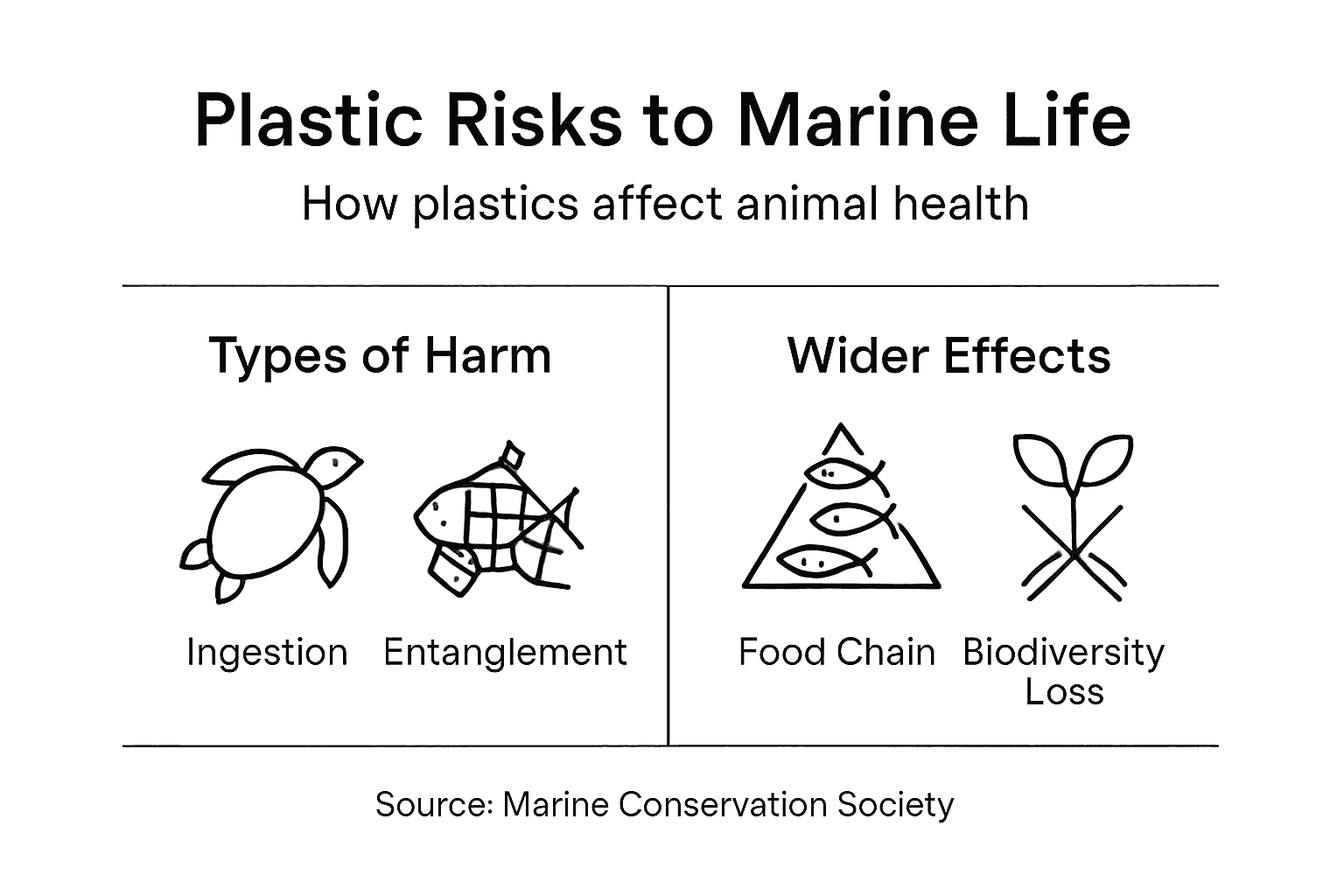
The process of food chain contamination begins with smaller organisms like plankton and microorganisms, which inadvertently consume microplastic particles. These initial consumers become vectors, introducing toxic synthetic materials into progressively larger predatory networks. As microplastics move up trophic levels, they bioaccumulate, concentrating potential chemical toxins and physical contaminants. Global food chain microplastic dynamics demonstrate how these particles can ultimately reach top predators, including marine mammals, large fish species, and potentially human consumers.
The biochemical consequences of microplastic contamination extend far beyond simple physical presence. These synthetic particles can disrupt metabolic processes, trigger inflammatory responses, and introduce endocrine-disrupting chemicals that compromise reproductive capabilities and overall animal health. The cumulative effect creates a systematic erosion of ecosystem resilience, with potential long-term implications for global biodiversity and food security.
Pro tip: Restaurant owners can mitigate microplastic contamination by selecting sustainable packaging, implementing rigorous filtration systems, and sourcing ingredients from environmentally responsible suppliers.
Industry and Regulatory Actions Toward Solutions
Governments and international organizations are increasingly developing comprehensive strategies to combat plastic pollution and protect animal ecosystems. Comprehensive regulatory approaches to plastic reduction demonstrate a global commitment to implementing multilateral environmental agreements, national legislation, and policy frameworks targeting plastic production, waste management, and toxic additive controls.
The United States has emerged as a key player in developing innovative solutions and international collaborations. Global plastic pollution treaty negotiations highlight diplomatic efforts to establish coordinated international responses. These strategies emphasize circular economy principles, sustainable product design, and improved waste management protocols that address the systemic challenges of plastic contamination across marine and terrestrial environments.
Regulatory actions are targeting multiple intervention points, including plastic production, design, consumption, and disposal. Key strategies involve implementing stricter manufacturing standards, promoting alternative materials, establishing extended producer responsibility programs, and creating robust recycling infrastructure. By developing comprehensive policy frameworks, governments aim to systematically reduce plastic waste, minimize environmental impact, and protect animal habitats from ongoing synthetic material contamination.
Below is a summary of regulatory approaches targeting plastic pollution:
| Approach Type | Key Focus | Expected Outcome |
|---|---|---|
| Production Controls | Limit plastic creation | Less plastic enters market |
| Product Redesign | Eco-friendly alternatives | Fewer non-biodegradable products |
| Waste Management | Improved recycling | Reduced landfill and ocean waste |
| Producer Responsibility | Manufacturer accountability | Companies manage lifecycle impact |
Pro tip: Restaurant owners can proactively support regulatory goals by voluntarily adopting sustainable packaging, implementing comprehensive waste reduction strategies, and educating staff about environmental best practices.
Protect Marine Life by Eliminating Single-Use Plastics Today
Plastic pollution is a severe threat to marine animals causing ingestion, entanglement, and habitat contamination that endangers their survival. Your restaurant or business can make a meaningful difference by choosing sustainable alternatives that reduce this risk. Switching to eco-friendly straws made from innovative wood and plant-based materials helps stop plastic waste from reaching oceans and harming sea turtles, seabirds, and marine mammals.
Take action now by exploring high-quality reusable straw options that combine durability and biodegradability. Join the leaders in sustainability at TheOceanStraw.com and support marine conservation efforts through responsible choices. Discover detailed product benefits, request samples, and see how simple it is to align your operations with a healthier planet. Visit our main page and start reducing plastic pollution today for the future of marine life.
Frequently Asked Questions
What are the main risks that plastic pollution poses to marine animals?
Plastic pollution primarily poses risks through ingestion and entanglement. Animals may mistake plastic debris for food, leading to blockages and malnutrition. Additionally, entanglement in plastic waste can cause injuries and restrict movement, often resulting in a higher mortality rate.
How do microplastics affect the food chain in marine ecosystems?
Microplastics are consumed by smaller marine organisms like plankton, which then introduce these toxins into the food chain. As larger predators consume these smaller organisms, they accumulate harmful substances, leading to potential health issues for top predators, including humans.
What physiological effects do plastics have on marine animals?
Plastics can cause oxidative stress, inflammatory responses, and disrupt hormonal balances, negatively affecting reproductive capabilities and overall health. These effects can ultimately reduce survival rates and reproductive success in various species.
How can individuals contribute to reducing plastic pollution in marine environments?
Individuals can help reduce plastic pollution by making conscious choices such as using sustainable packaging, minimizing single-use plastics, supporting recycling efforts, and advocating for better waste management practices in their communities.