
Plastic Pollution Environmental Impact: Complete Guide

Plastic waste lingers in our environment for centuries, with some types taking between 100 and 1,000 years to break down. This persistence turns what was once a useful material into a global crisis for both land and sea. Understanding the true reach of plastic pollution shines a light on why ecosystems and countless species face mounting risks. You will discover how plastic impacts our world at every turn, and why urgent action has never been more important.
Table of Contents
- Defining Plastic Pollution And Environmental Impact
- Major Types And Sources Of Plastic Waste
- Effects On Marine And Terrestrial Ecosystems
- Industry Responsibility And Regulatory Frameworks
- Sustainable Alternatives And Best Practices
Key Takeaways
| Point | Details |
|---|---|
| Environmental Threat of Plastic | Plastic pollution poses a significant long-term ecological threat, particularly in marine ecosystems, due to its persistence and impact on wildlife. |
| Sources and Composition | The complexity of plastic waste arises from its diverse sources, including consumer products and industrial processes, with over 16,000 associated chemicals complicating waste management. |
| Regulatory and Industry Role | Effective regulation and industry accountability are critical for addressing plastic pollution, necessitating a shift towards sustainable practices and innovative recycling technologies. |
| Sustainable Solutions | Solutions such as biodegradable materials, reusable designs, and circular economy principles are essential for mitigating plastic pollution and fostering environmental sustainability. |
Defining Plastic Pollution And Environmental Impact
Plastic pollution represents a complex and pervasive environmental challenge that extends far beyond mere waste management. According to the EPA, plastic materials can persist in ecosystems for extraordinary periods, with decomposition times ranging between 100 to 1,000 years. This remarkable durability transforms plastic from a convenient material into a long-term environmental threat.
At its core, plastic pollution describes the accumulation of synthetic plastic products in environments where they cause substantial ecological damage. The Institute for Environmental Research and Education highlights how plastic debris creates multifaceted environmental challenges, including:
- Wildlife habitat degradation
- Marine ecosystem contamination
- Chemical pollution through microplastic generation
- Direct threats to animal survival through ingestion and entanglement
The environmental impact of plastic pollution is particularly acute in marine ecosystems. Plastic waste disrupts natural habitats, introduces toxic chemicals, and creates systemic risks that cascade through entire food chains. Small plastic fragments can be consumed by microscopic organisms, eventually making their way up the food web and potentially impacting human health. Research indicates that marine animals frequently mistake plastic debris for food, leading to malnutrition, internal blockages, and potentially fatal consequences for numerous species.
Beyond immediate ecological damage, plastic pollution contributes significantly to broader environmental challenges. The production and disposal of plastics generate substantial greenhouse gas emissions, further accelerating climate change. Each stage of a plastic product’s lifecycle - from raw material extraction to manufacturing, transportation, and eventual disposal - generates carbon emissions that compound the material’s overall environmental footprint.
Major Types And Sources Of Plastic Waste
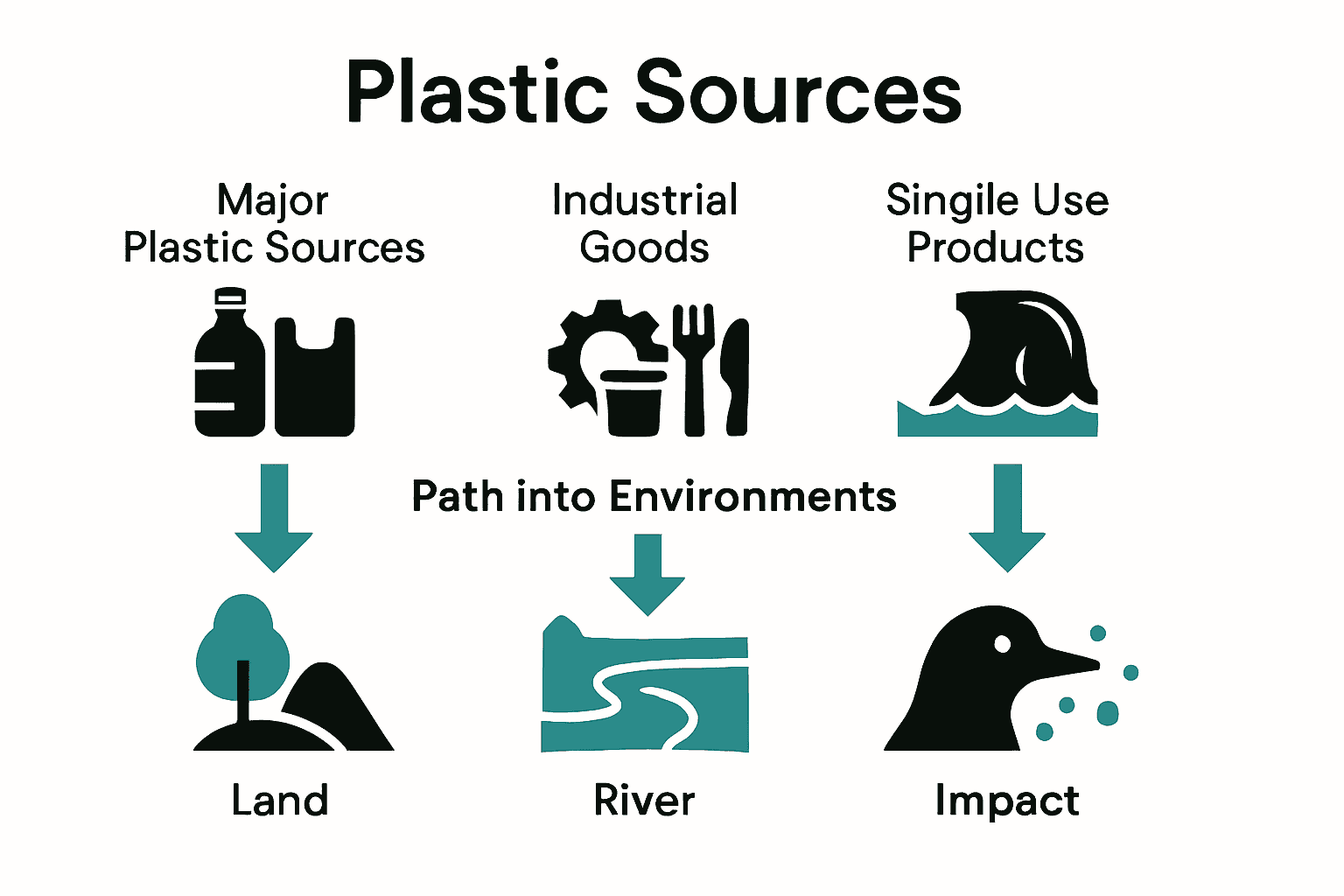
Understanding the diverse landscape of plastic waste requires a comprehensive examination of its origins and compositions. According to the EPA, plastic waste can be categorized into three primary municipal solid waste types: containers and packaging, durable goods, and nondurable goods. These categories represent the complex ways plastic permeates our daily lives and industrial processes.
Plastic Types span a wide range of materials and applications. Major sources include:
- Industrial manufacturing
- Consumer packaging
- Construction materials
- Transportation components
- Single-use consumer products
The complexity of plastic waste extends beyond its physical manifestation. Reuters reports a startling revelation: over 16,000 chemicals are present in plastics, with at least 3,000 more than previously documented. This chemical diversity significantly complicates waste management and environmental impact strategies.
Industrial sectors contribute substantially to plastic waste generation. Manufacturing, packaging, agriculture, and consumer goods industries produce millions of tons of plastic annually. While some plastics can be recycled, many end up in landfills or environmental ecosystems, creating long-term pollution challenges. The intricate chemical compositions and varied production methods make comprehensive plastic waste management an increasingly complex environmental imperative.
Effects On Marine And Terrestrial Ecosystems
Plastic pollution represents a devastating threat to both marine and terrestrial ecosystems, creating complex and far-reaching environmental challenges. According to IERE, marine wildlife faces critical risks through plastic debris, including severe consequences like ingestion, entanglement, and habitat destruction that fundamentally disrupt ecological balance.
Marine Ecosystem Impacts include multiple devastating consequences:
- Direct wildlife mortality
- Reproductive system disruption
- Coral reef smothering
- Sediment process interference
- Food chain contamination
The Tanta Journal of Health and Safety Sciences reports that thousands of marine species suffer catastrophic outcomes from plastic pollution, including seabirds, sea turtles, seals, and marine mammals experiencing death through suffocation, starvation, and physical entanglement. These impacts extend beyond immediate animal survival, creating systemic ecological disruptions that compromise entire marine ecosystem structures.
Terrestrial ecosystems similarly experience profound plastic pollution challenges. Microplastics infiltrate soil systems, contaminating agricultural lands and disrupting plant growth mechanisms. Wildlife on land encounters similar ingestion risks, with plastic fragments entering food chains and causing long-term genetic and physiological mutations.
 The pervasive nature of plastic pollution means that no ecosystem remains untouched, creating a global environmental crisis that demands immediate and comprehensive intervention.
Industry Responsibility And Regulatory Frameworks
Addressing plastic pollution requires a comprehensive approach that integrates industry accountability with strategic regulatory mechanisms. Link highlights crucial research demonstrating how government regulations can significantly influence industry practices and consumer behavior, particularly through targeted interventions like plastic bag charges and usage restrictions.
Key Regulatory Strategies include:
- Implementing plastic production quotas
- Creating extended producer responsibility programs
- Establishing mandatory recycling requirements
- Developing financial incentives for sustainable alternatives
- Enforcing strict waste management protocols
The global landscape of plastic regulation remains complex and challenging. Wikipedia reports that the Intergovernmental Negotiating Committee has encountered substantial obstacles in developing a comprehensive international framework to address plastic pollution across its entire lifecycle. These challenges underscore the intricate balance between economic interests and environmental preservation.
Industry transformation demands a multifaceted approach that goes beyond regulatory compliance. Companies must proactively redesign production processes, invest in sustainable materials, and develop innovative recycling technologies. This requires not just governmental intervention, but a fundamental shift in corporate culture towards recognizing environmental stewardship as a core business responsibility. The most successful organizations will be those that view sustainability not as a regulatory burden, but as a strategic opportunity for innovation and long-term value creation.
Sustainable Alternatives And Best Practices
Addressing plastic pollution requires a comprehensive strategy that goes beyond traditional waste management approaches. Plastic Pollution Coalition advocates for transformative measures that fundamentally reshape how businesses and consumers interact with plastic materials, emphasizing innovative solutions that prioritize environmental sustainability.
Key Sustainable Alternatives include:
- Biodegradable material development
- Reusable product design
- Circular economy manufacturing
- Advanced recycling technologies
- Zero-waste packaging strategies
Interdisciplinary research continues to expand our understanding of plastic alternatives. The Synthetic Collective demonstrates how scientific and cultural approaches can intersect to generate meaningful insights into plastic pollution mitigation. Their work highlights the importance of comprehensive, collaborative strategies that merge research, innovation, and practical implementation.
Successful sustainable practices require a holistic approach that integrates technological innovation, policy frameworks, and behavioral change. Organizations must reimagine product lifecycles, invest in research and development of alternative materials, and create economic incentives that make sustainable choices both environmentally responsible and financially viable. The future of plastic pollution mitigation lies in proactive, integrated solutions that transform waste from an environmental liability into a potential resource for circular economic models.
Take Action Against Plastic Pollution With Sustainable Straw Solutions
Plastic pollution creates far-reaching damage to our planet’s marine and terrestrial ecosystems. The article highlights how long-lasting plastics harm wildlife and disrupt entire food chains. If you want to reduce your environmental footprint and combat these issues through everyday choices, switching to durable, biodegradable alternatives is essential. At TheOceanStraw.com, you will find innovative reusable straws made from wood and plant-based materials designed to replace single-use plastics. These straws support sustainability goals and help preserve delicate ecosystems threatened by plastic waste.
Explore how your business can align with industry regulations and environmental initiatives by adopting eco-friendly products. Visit TheOceanStraw.com today to discover specifications, bulk purchasing options, and ways to integrate reusable straws into your foodservice or hospitality operations. Make a lasting impact now by choosing solutions that protect wildlife and reduce plastic pollution at the source.
Frequently Asked Questions
What is plastic pollution and why is it a concern?
Plastic pollution refers to the accumulation of synthetic plastic products in the environment, causing significant ecological damage. Its durability means it can persist in ecosystems for 100 to 1,000 years, leading to wildlife habitat degradation, marine ecosystem contamination, and threats to animal survival through ingestion and entanglement.
How does plastic pollution impact marine ecosystems?
Plastic pollution creates severe consequences for marine ecosystems, including direct wildlife mortality, reproductive system disruptions, and food chain contamination. Marine species frequently mistake plastic debris for food, which leads to malnutrition and can have devastating effects on entire food webs.
What are the main sources of plastic waste?
Plastic waste primarily originates from industrial manufacturing, consumer packaging, construction materials, and single-use consumer products. Major categories include containers and packaging, durable goods, and nondurable goods that permeate daily life and industrial processes.
What sustainable alternatives exist to combat plastic pollution?
To address plastic pollution, innovative solutions such as biodegradable materials, reusable product designs, circular economy manufacturing, and zero-waste packaging strategies are being developed. These alternatives aim to reduce reliance on plastics and improve environmental sustainability.