
Plastic Pollution and Sea Life: Comprehensive Guide

Every year, the world’s oceans absorb roughly 19 to 23 million tonnes of plastic waste, adding an overwhelming burden to marine life and human health. Plastic pollution is not just unsightly litter. It disrupts delicate ecosystems, chokes sea animals, and even works its way into our food. Understanding the scope and impact of this growing crisis reveals just how connected our daily choices are to the planet’s future.
Key Takeaways
| Point | Details |
|---|---|
| Plastic pollution is a pervasive issue | Approximately 19-23 million tonnes of plastic enter oceans annually, predominantly impacting marine biodiversity. |
| Microplastics pose significant risks | These tiny particles infiltrate ecosystems, potentially affecting food chains and human health through bioaccumulation. |
| Ecosystems are under threat | Microplastics alter fundamental marine processes, exacerbating issues like carbon cycling and habitat degradation. |
| Collective responsibility is essential | A legally binding international treaty and proactive industry strategies are vital for effective plastic waste management and reduction. |
Table of Contents
- Defining Plastic Pollution In Oceans
- Categories Of Oceanic Plastic Debris
- How Plastic Harms Sea Animals
- Microplastics’ Invisible Ocean Impact
- Ecosystem Disruption And Habitat Degradation
- Human And Industry Responsibilities
Defining Plastic Pollution In Oceans
Plastic pollution represents a complex environmental challenge transforming our marine ecosystems into massive waste repositories. Marine plastic debris ranges dramatically from visible large items like bottles and bags to microscopic microplastics generated through continuous fragmentation. According to research on marine environmental damage, approximately 19-23 million tonnes of plastic waste enter aquatic environments annually, with a staggering 80% of marine debris composed of plastic materials.
The scale of oceanic plastic contamination is breathtaking. Consider the Mediterranean Sea, where approximately 0.57 million metric tons of plastic are deposited each year - translating to an astonishing 33,800 plastic bottles dumped every single minute. These numbers reveal a stark reality: our oceans are becoming increasingly saturated with persistent plastic waste that threatens marine biodiversity and ecosystem balance.
Plastic pollution manifests through multiple pathways, including:
- Direct industrial waste discharge
- Urban runoff and improper waste management
- Agricultural plastic contamination
- Consumer product disposal
- Microplastic shedding from synthetic clothing and packaging
Understanding these sources helps hospitality and restaurant professionals recognize their potential role in mitigating this global environmental challenge. By implementing sustainable practices and choosing environmentally responsible alternatives, businesses can contribute to reducing the plastic waste stream entering our precious marine environments.
Categories Of Oceanic Plastic Debris
Oceanic plastic debris encompasses a complex spectrum of materials categorized by size, origin, and composition. Primary microplastics represent one critical category, including intentionally manufactured plastic resin pellets known as nurdles. According to research, these tiny particles constitute between 15% and 31% of marine microplastic pollution, with approximately 230,000 tonnes entering ocean ecosystems annually Understanding Single Use Plastic Impact on Environment.
Researchers distinguish plastic debris through two primary size classifications: macroplastics and microplastics. In the Southwest Indian Ocean, scientific studies reveal fascinating distribution patterns. Concentrations range dramatically from:
- 10 items/km² of macroplastics at 40°E longitude
- 10³ items/km² of microplastics at 40°E longitude
- 10² items/km² of macroplastics at 65°E longitude
- 10⁵ items/km² of microplastics at 65°E longitude
These variations demonstrate the complex spatial dynamics of oceanic plastic pollution. Beyond size classifications, plastic debris originates from numerous sources including industrial waste, consumer products, maritime activities, and fragmentation of larger plastic items. For hospitality and restaurant professionals, understanding these categories is crucial in developing targeted waste reduction strategies that can meaningfully impact marine ecosystem health.
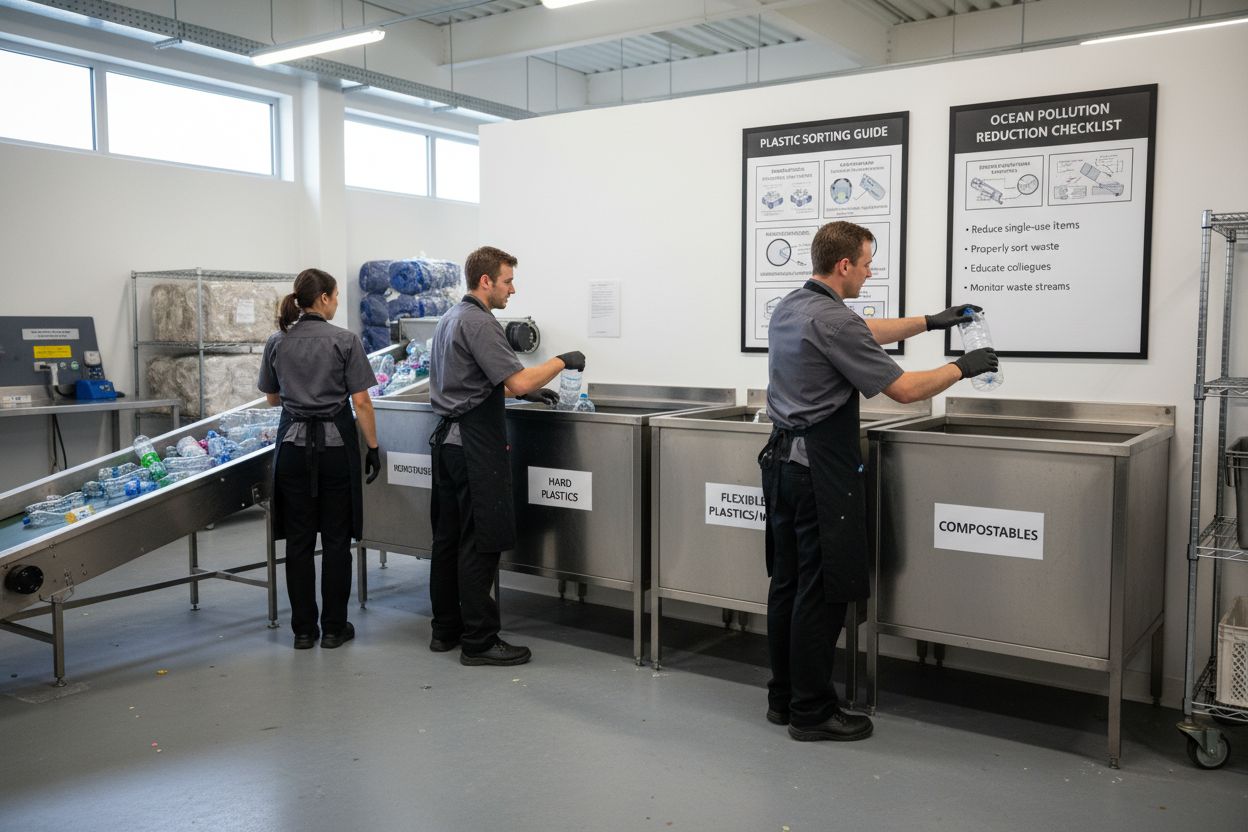
Here’s a summary of the main types of oceanic plastic debris:
| Category | Size | Main Sources | Environmental Impact |
|---|---|---|---|
| Macroplastics | >5 mm | Bottles Bags Fishing gear |
Visible pollution Entanglement |
| Microplastics | <5 mm | Fragmentation Synthetic clothing |
Ingestion by wildlife Bioaccumulation |
| Primary Microplastics | <5 mm (designed) | Nurdles Personal care products |
Widespread dispersal Toxicity |
| Nanoplastics | <1 µm | Breakdown of microplastics | Hard to detect Cellular disruption |
How Plastic Harms Sea Animals
Plastic pollution poses a devastating threat to marine life through multiple devastating mechanisms. Marine animal mortality reaches alarming levels, with at least 267 animal species currently impacted by plastic debris. Research on environmental effects indicates over 400,000 marine mammals potentially die annually from plastic-related complications.
The harm extends far beyond simple physical entanglement. A groundbreaking 2025 study revealed shocking neurological impacts on seabird populations. Young seabird chicks consuming plastic experience severe internal organ damage, including critical impairments to their:
- Stomach functionality
- Liver processing capabilities
- Kidney operations
- Neurological brain structures
Most disturbingly, some chicks were found to have ingested over 400 plastic pieces, comprising an astonishing 5-10% of their total body weight. These plastic fragments show protein patterns remarkably similar to neurodegenerative conditions like Alzheimer’s and Parkinson’s diseases, suggesting long-term generational impacts on marine species that extend beyond immediate physical harm.
For hospitality and marine-focused professionals, these findings underscore the urgent need for sustainable practices. Every piece of plastic potentially represents a life-threatening risk to marine ecosystems, making responsible waste management and plastic reduction critical strategies for preserving ocean biodiversity.
Microplastics’ Invisible Ocean Impact
Microplastics represent an environmental challenge far more complex and pervasive than most realize. A comprehensive 2025 review analyzing 194 scientific studies revealed the extraordinary dispersal and absorption patterns of micro- and nanoplastics across global marine and freshwater ecosystems. These microscopic particles penetrate environmental systems with remarkable efficiency, creating widespread contamination that extends far beyond visible pollution.
The scale of nanoplastic pollution is particularly alarming. Research on environmental effects indicates the North Atlantic Ocean contains an estimated 27 million metric tons of nanoplastics—particles smaller than 1 µm present at every oceanic depth. These invisible fragments potentially represent the dominant mass of marine plastic pollution, presenting significant challenges for environmental monitoring and ecosystem preservation.
Key characteristics of microplastic pollution include:
- Extreme mobility across water systems
- Ability to penetrate biological membranes
- Potential for bioaccumulation in food chains
- Difficult detection and quantification
- Long-term persistence in environmental systems
For hospitality and marine-focused professionals, understanding microplastics means recognizing that every plastic product potentially breaks down into thousands of microscopic particles that can infiltrate ecosystems, organism tissues, and potentially human food supplies. The invisible nature of these pollutants makes proactive waste reduction strategies not just responsible, but critically necessary for environmental protection.
Ecosystem Disruption And Habitat Degradation
Marine ecosystem degradation emerges as a profound consequence of plastic pollution, with microscopic particles dramatically altering fundamental environmental processes. A groundbreaking 2025 Tel Aviv University study revealed a startling mechanism of ecological disruption: filter-feeding marine animals ingesting and excreting microplastics fundamentally change marine biochemical cycles Research on environmental effects.
The global impact is more extensive than previously understood. An analysis of over 1,200 scientific studies demonstrates microplastics’ extraordinary penetration across oceanic environments, reaching astonishing depths up to 6,800 meters. Small microplastic particles exhibit unique behaviors that intensify environmental risks:
- Prolonged suspension in water columns
- Enhanced potential for widespread exposure
- Significant alterations to carbon cycling mechanisms
- Disruption of deep-sea ecosystem dynamics
Particularly alarming is the study’s revelation that microplastics coating marine animal fecal matter alter its natural sinking behavior. This modification can potentially increase seafloor carbon and nitrogen levels, potentially triggering harmful algal blooms that fundamentally destabilize marine food web interactions. For hospitality and marine-focused professionals, these findings underscore the urgent need for comprehensive plastic waste reduction strategies that protect the delicate balance of marine ecosystems.
Human And Industry Responsibilities
Global plastic governance has reached a critical turning point with unprecedented international collaboration addressing environmental challenges. In 2022, the United Nations initiated negotiations for a legally binding international treaty targeting plastic pollution across its entire lifecycle—from initial production through final disposal. Research on environmental effects indicates these negotiations represent a significant milestone in multinational environmental policy.
Industry-led cleanup efforts reveal both promise and complexity. Initiatives like The Ocean Cleanup demonstrate ambitious approaches to addressing marine plastic accumulation, though not without significant challenges. Their efforts in the Great Pacific Garbage Patch highlight the nuanced realities of environmental intervention:
- Substantial plastic removal capabilities
- Ongoing design modifications to minimize marine ecosystem disruption
- Recognition of unintended consequences in cleanup strategies
- Continuous adaptation of technological approaches
For hospitality and marine-focused professionals, these developments underscore a fundamental shift in environmental responsibility. The path forward demands proactive strategies that go beyond simple waste management—requiring comprehensive approaches that address plastic production, consumption, and disposal. Every organizational decision represents an opportunity to contribute to systemic change, transforming plastic waste from an environmental liability into a challenge of collective human innovation.
Take Action Against Ocean Plastic and Protect Sea Life
Are you troubled by the widespread plastic pollution and its damaging effects on marine animals, as highlighted throughout this guide? With so much marine plastic debris and rising microplastic levels, the responsibility to reduce plastic waste begins with the everyday choices we make in the hospitality industry. Your commitment can help limit the plastic entering our oceans and reduce the risks to sea life.
Make a difference today by choosing straws crafted from responsibly sourced wood and plant-based materials that are fully compostable. Explore sustainable alternatives that do not contribute to microplastic pollution or harm to marine ecosystems. Visit our website to discover more about our mission and see how your business can be part of the solution. Join us now in protecting the ocean and the creatures that depend on it.
Frequently Asked Questions
What is plastic pollution in oceans?
Plastic pollution in oceans refers to the accumulation of synthetic plastic materials in marine environments, including both large items like bottles and bags, as well as microscopic particles known as microplastics.
How does plastic pollution affect marine animals?
Plastic pollution poses severe threats to marine life, leading to physical harm, ingestion of toxic materials, and long-term neurological damage. It affects at least 267 animal species, with over 400,000 marine mammals potentially dying each year due to plastic-related complications.
What are the different categories of oceanic plastic debris?
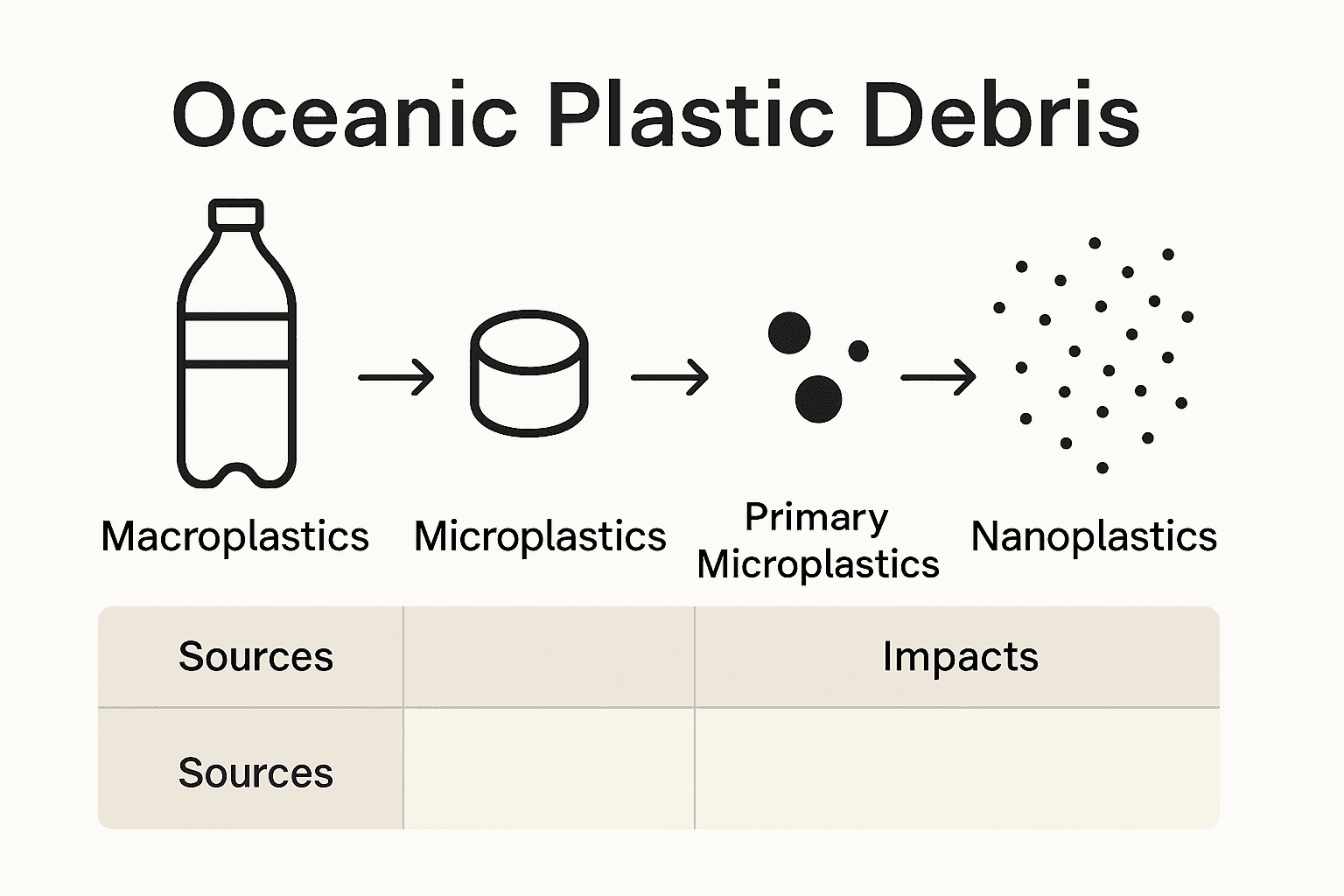
Oceanic plastic debris can be categorized into four main types: macroplastics (larger than 5 mm), microplastics (smaller than 5 mm), primary microplastics (intentionally designed, like nurdles), and nanoplastics (smaller than 1 µm). Each type has distinct sources and environmental impacts.
What initiatives are being taken to address plastic pollution?
Global initiatives like the United Nations’ negotiations for a legally binding international treaty and projects such as The Ocean Cleanup aim to tackle plastic pollution throughout its lifecycle, from production to disposal, demonstrating a coordinated effort to protect marine environments.