
The Problem With Plastic Straws Explained

Each day, Americans throw away around 500 million plastic straws, contributing to a growing mountain of waste that lingers in our environment for centuries. Tiny, convenient, and often used without a second thought, plastic straws have become a clear symbol of our disposable culture. Understanding the true impact of these single-use plastics reveals why the humble straw has sparked urgent conversations about pollution, wildlife harm, and the need for more sustainable choices.
Table of Contents
- Defining The Problem With Plastic Straws
- Environmental Impact Of Plastic Straw Waste
- Types Of Plastic Straws And Usage Trends
- Disposal Challenges And Microplastics Concerns
- Health And Safety Risks Associated With Plastic Straws
- Comparing Sustainable Alternatives To Plastic Straws
Key Takeaways
| Point | Details |
|---|---|
| Environmental Impact | Plastic straws contribute significantly to marine pollution, harming ecosystems and wildlife due to their slow decomposition and potential ingestion by marine animals. |
| Health Risks | The chemical composition of plastic straws raises concerns about toxin migration and microplastic contamination, posing potential health risks to humans. |
| Sustainable Alternatives | Innovative alternatives to plastic straws, such as paper and bamboo, are emerging, but they must be practical and environmentally responsible to gain consumer acceptance. |
| Consumer Behavior | The widespread use of single-use plastics, including straws, highlights the need for increased awareness and behavioral change among consumers, businesses, and policymakers for future sustainability. |
Defining the Problem With Plastic Straws
Plastic straws represent a significant environmental challenge that extends far beyond their seemingly innocuous appearance. These small, single-use items have become symbolic of our global disposable plastic culture, creating massive waste streams that impact marine ecosystems, wildlife, and long-term environmental sustainability. Single-use plastics like straws are designed for momentary convenience but persist in our environment for hundreds of years after their brief utility.
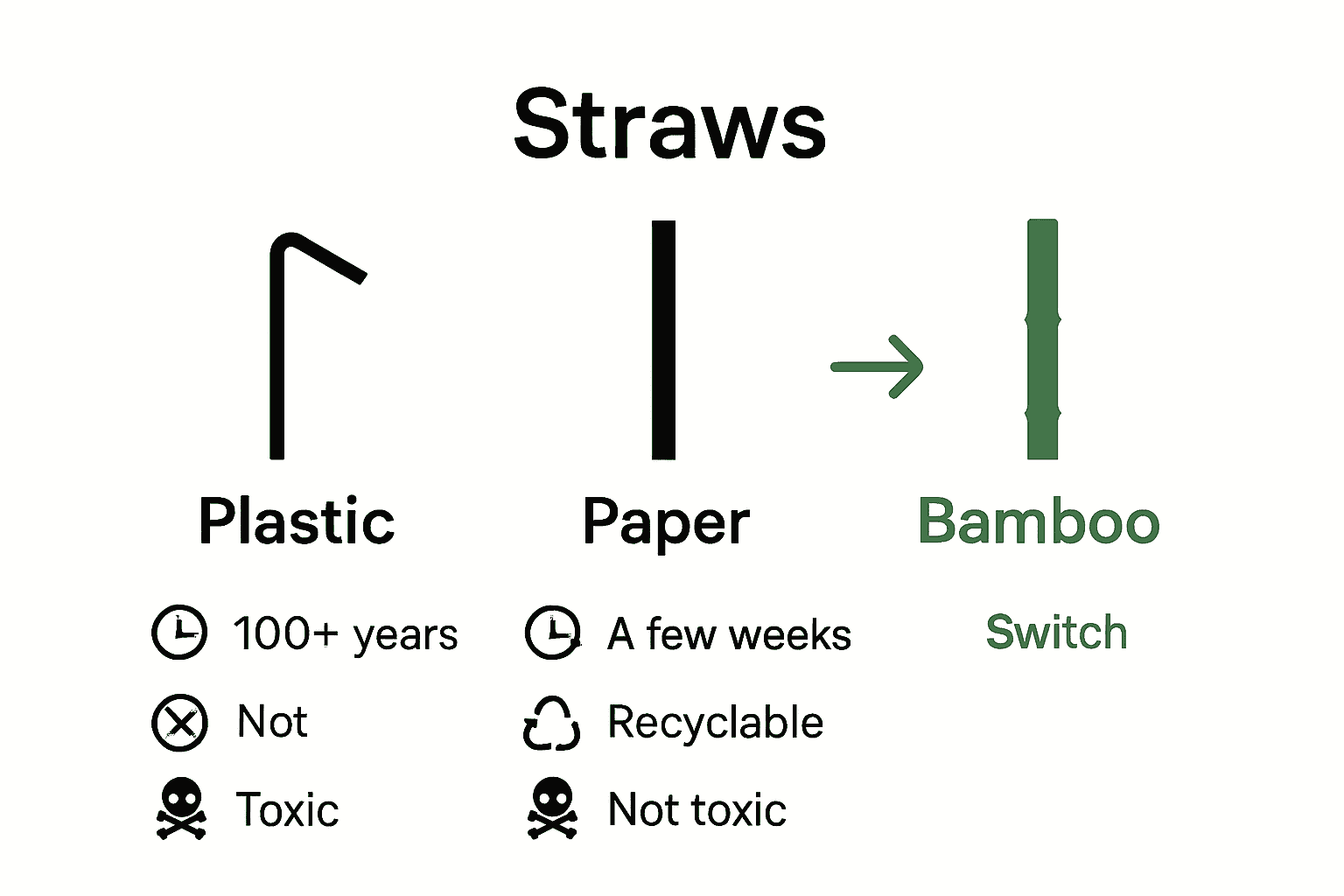
The problem with plastic straws begins with their fundamental design and material composition. Most plastic straws are manufactured from polypropylene, a petroleum-based plastic that does not biodegrade. Instead, these straws fragment into smaller microplastics, which contaminate water systems and enter food chains. A single plastic straw can take up to 200 years to decompose, meaning every straw ever produced still exists in some form on our planet. Understanding the Impact of Plastic Straws on the Environment highlights the alarming rate at which these tiny products accumulate in our ecosystems.
Moreover, plastic straws pose significant risks to marine wildlife. Sea creatures frequently mistake these plastic items for food, leading to fatal ingestion and entanglement. Estimates suggest that over 1 million marine animals die annually from plastic-related incidents, with straws playing a disproportionate role in this environmental tragedy. The visual evidence is stark: photographs of sea turtles with straws lodged in their nostrils and marine birds with stomachs full of plastic fragments have become powerful symbols of human-induced environmental destruction.
The global scale of plastic straw consumption is staggering. Approximately 8.3 billion plastic straws are estimated to be polluting coastlines worldwide, with Americans alone using and discarding around 500 million straws daily. These numbers translate into substantial environmental consequences, underscoring why businesses, governments, and individuals are increasingly seeking sustainable alternatives. Recognizing the problem is the first step toward meaningful change in reducing single-use plastic waste and protecting our planet’s delicate ecological balance.
Environmental Impact of Plastic Straw Waste
Plastic straws represent a critical environmental threat that extends far beyond their seemingly trivial size. According to IERE, these single-use items significantly harm marine ecosystems through complex and devastating mechanisms. Plastic pollution from straws creates a multi-layered environmental crisis that impacts wildlife, ocean health, and global ecological systems.
The direct environmental consequences of plastic straw waste are particularly alarming for marine life. Research from Le Monde reveals that plastic waste in bird nests leads to fatal entanglements for chicks, highlighting the broader ecosystem disruption caused by these seemingly innocuous items. Marine animals frequently mistake plastic straws for food, resulting in digestive blockages, malnutrition, and painful deaths. Sea turtles, seabirds, and marine mammals bear the brunt of this environmental tragedy, with thousands of animals suffering each year due to plastic straw consumption.
Beyond wildlife impact, plastic straws contribute significantly to carbon emissions and waste management challenges. Understanding Environmental Damage Created by Plastic provides critical insights into the broader environmental implications. The production of these single-use plastics requires substantial petroleum resources, generating greenhouse gases during manufacturing. Moreover, most plastic straws cannot be recycled due to their composition and size, meaning they ultimately end up in landfills, oceans, and natural habitats.
The global scale of plastic straw pollution is staggering. Approximately 8.3 billion plastic straws pollute coastlines worldwide, with millions entering marine ecosystems daily. These microplastics fragment into even smaller particles, contaminating water systems, entering food chains, and creating long-lasting environmental damage. The cumulative effect represents a significant challenge for environmental conservation, underscoring the urgent need for sustainable alternatives and comprehensive waste reduction strategies.
Types of Plastic Straws and Usage Trends
Plastic straws come in multiple varieties, each contributing uniquely to global environmental challenges. From rigid polypropylene to flexible petroleum-based designs, these single-use items have dominated consumer markets for decades. Understanding the Environmental Impact of Straws highlights the diverse landscape of straw manufacturing and consumption patterns that have emerged worldwide.
The most common types of plastic straws include disposable polypropylene straws, flexible drinking straws, and individually wrapped restaurant straws. Disposable polypropylene straws represent the largest segment, typically manufactured from petroleum-based plastics that resist biodegradation. Flexible straws, often used in medical settings and for individuals with mobility challenges, pose additional recycling complications due to their complex shape and material composition. Le Monde research suggests these variations contribute significantly to wildlife ecosystem disruption, with even seemingly minor design differences creating substantial environmental impacts.
Consumer usage trends reveal alarming consumption patterns. Approximately 500 million plastic straws are used daily in the United States alone, with restaurants, fast-food chains, and beverage industries being primary contributors. Demographic analysis shows younger generations consuming more packaged beverages and single-use plastic products, perpetuating the straw waste cycle. Hospitality sectors, including hotels, cafes, and airlines, remain significant drivers of plastic straw distribution, often providing these items automatically without considering environmental consequences.
Regional variations in straw usage demonstrate complex consumption landscapes. Developing countries often lack robust recycling infrastructure, leading to higher plastic straw pollution rates. Developed nations are increasingly implementing plastic straw bans and encouraging sustainable alternatives. These shifts reflect growing environmental awareness and the urgent need to reimagine our relationship with single-use plastics. The trend is clear: consumer consciousness is driving meaningful changes in straw production, distribution, and consumption strategies.

Disposal Challenges and Microplastics Concerns
Microplastics represent an insidious environmental challenge arising from plastic straw disposal, creating complex ecological problems that extend far beyond simple waste management. Understanding Single Use Plastic Impact on Environment illustrates how these tiny plastic fragments create long-lasting environmental disruptions that challenge traditional waste management strategies.
The disposal process for plastic straws presents multiple critical challenges. Most municipal recycling facilities cannot process these items due to their small size and complex polymer composition. Plastic straws typically fall through sorting machinery, meaning they are automatically redirected to landfills or, worse, enter natural ecosystems. When exposed to environmental conditions, these straws gradually break down into microplastics - microscopic plastic particles less than 5mm in size that contaminate soil, water systems, and ultimately enter food chains.
Microplastics from plastic straws pose significant risks to environmental and human health. These minute fragments absorb and concentrate toxic chemicals, creating potential vectors for environmental contamination. Marine organisms frequently ingest microplastics, which then bioaccumulate through food chains, potentially reaching human consumption systems. Scientific research indicates that a single plastic straw can fragment into thousands of microplastic particles, each capable of persisting in ecosystems for hundreds of years and carrying concentrated environmental toxins.
Addressing disposal challenges requires comprehensive, multi-stakeholder approaches. Waste management systems must evolve to handle these problematic items, while manufacturers need to redesign products with end-of-life considerations. Emerging solutions include improved recycling technologies, biodegradable alternatives, and stringent regulatory frameworks that incentivize sustainable product design. Consumer education remains crucial in transforming existing waste management paradigms and reducing the environmental impact of single-use plastic products.
Health and Safety Risks Associated With Plastic Straws
Plastic straws present significant health and safety risks that extend beyond their environmental impact, creating potential hazards for human consumption and biological systems. Social Impacts of Plastic Pollution reveals the complex interconnections between plastic production, chemical leaching, and human health vulnerabilities.
The primary health concerns stem from chemical composition and potential toxin migration. Plastic straws are typically manufactured using polypropylene and petrochemical compounds that can release harmful substances like bisphenol A (BPA) and phthalates when exposed to heat or prolonged use. These endocrine-disrupting chemicals have been linked to various health issues, including hormonal imbalances, reproductive complications, and potential neurological disorders. Repeated exposure through daily beverage consumption increases the risk of chemical transfer, particularly when straws are used with hot liquids that accelerate molecular breakdown.
Microplastic contamination represents another critical health risk. As plastic straws degrade, they release microscopic particles that can potentially enter human biological systems through ingestion. These tiny fragments not only carry inherent chemical toxins but can also absorb additional environmental pollutants, creating complex vectors for potential health complications. Scientific research suggests microplastics can penetrate cellular membranes, potentially causing inflammation, cellular damage, and long-term physiological disruptions that are not yet fully understood.
Additional safety concerns emerge from physical risks associated with plastic straw usage. Cheap, mass-produced straws may have manufacturing inconsistencies, including sharp edges or structural weaknesses that could pose choking hazards or cause mouth injuries. Vulnerable populations such as children, elderly individuals, and those with medical conditions are particularly susceptible to these risks. The cumulative health implications underscore the urgent need for safer, more sustainable alternatives that prioritize both human and environmental well-being.
Comparing Sustainable Alternatives to Plastic Straws
The quest for sustainable straw alternatives has sparked innovative solutions addressing environmental concerns. Understanding What Are Plant Based Straws Made Of highlights the diverse range of emerging materials designed to replace traditional plastic straws.
According to Springer Link, bio-based alternatives present nuanced challenges in consumer adoption. Researchers have identified several promising sustainable options, including:
- Paper straws: Biodegradable but often lacking structural integrity
- Bamboo straws: Durable and fully compostable
- Stainless steel straws: Reusable and long-lasting
- Plant-based polymer straws: Engineered for improved performance
Research from JSR reveals groundbreaking developments in bacterial cellulose technology, offering a potentially revolutionary alternative to traditional plastic straws. This innovative approach creates biodegradable straws with enhanced structural properties, addressing many limitations of existing eco-friendly options.
The ideal sustainable straw must balance environmental responsibility with practical user experience. Consumers demand alternatives that match the convenience of plastic straws while minimizing ecological impact. Emerging technologies focus on developing materials that are biodegradable, durable, and free from harmful chemical leaching. The future of sustainable straws lies in continued innovation, combining advanced material science with environmental consciousness to create solutions that protect both human health and global ecosystems.
Take Action Against Plastic Straw Pollution with Sustainable Solutions
The environmental and health risks caused by single-use plastic straws are urgent and cannot be ignored. Their long-lasting presence in oceans, harm to wildlife, and contribution to microplastic pollution demand immediate change. If you are ready to reduce your ecological footprint and lead your business toward sustainability, discover how innovative, plant-based reusable straws can make a powerful difference. These straws combine durability, biodegradability, and safety to address the very challenges highlighted in this article.
Explore The Ocean Straw Growth Pack, designed specifically for businesses seeking to replace plastic with eco-friendly alternatives that align with your green initiatives. Act now to join the growing community of eco-conscious hospitality and foodservice professionals stepping up for the planet. Visit The Ocean Straw to learn more and request samples that prove how sustainable straws do not compromise convenience or quality.
Frequently Asked Questions
What is the environmental impact of plastic straws?
Plastic straws contribute significantly to environmental pollution, harming marine ecosystems and wildlife. They take hundreds of years to decompose, fragmenting into microplastics that contaminate water systems and enter food chains, posing risks to both marine life and human health.
Why are plastic straws so harmful to marine wildlife?
Marine animals often mistake plastic straws for food, leading to fatal ingestion and entanglement. This results in digestive issues, malnutrition, and thousands of animal deaths each year, highlighting the severe consequences of plastic straw pollution in oceans and natural habitats.
What are some sustainable alternatives to plastic straws?
Sustainable alternatives include paper straws, bamboo straws, stainless steel straws, and plant-based polymer straws. Each alternative has its own advantages, such as biodegradability or reusability, but they all aim to reduce the environmental impact associated with single-use plastics.
How do plastic straws contribute to microplastic pollution?
Plastic straws do not biodegrade; instead, they break down into microplastics over time due to environmental exposure. These microplastics contaminate soils and water systems, creating long-lasting ecological problems and posing potential health risks when ingested by marine life and humans.