
Implement Effective Solutions to Microplastic Pollution Easily

Over eight million tons of plastic waste end up in the ocean every year, and American businesses contribute a significant portion of this environmental challenge. Making real progress starts with understanding and addressing your company’s plastic footprint. By examining how everyday operations use plastic and applying practical steps, your organization can make measurable changes that benefit both the environment and your bottom line.
Table of Contents
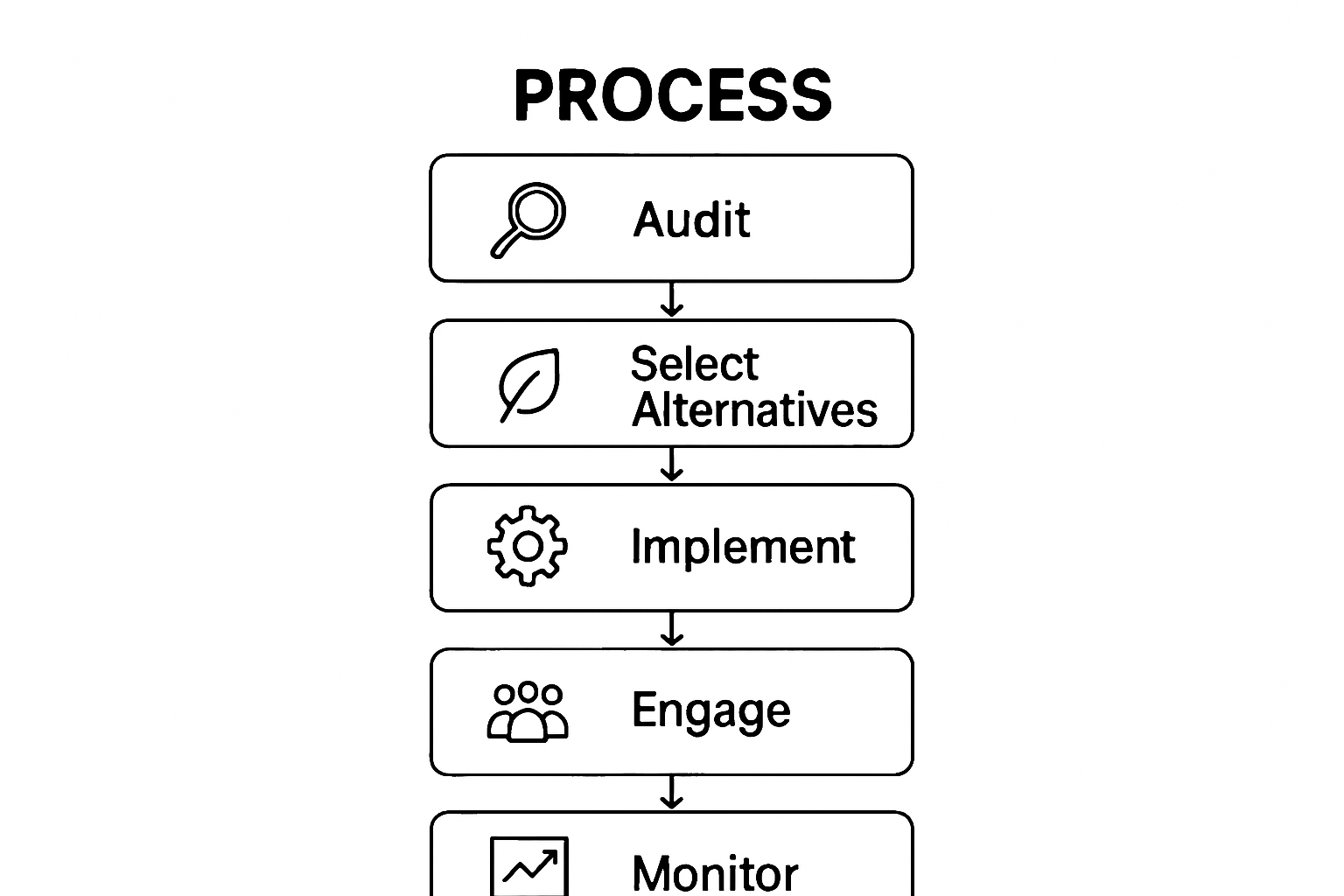
- Step 1: Evaluate Current Plastic Use In Your Operations
- Step 2: Identify And Select Eco-Friendly Alternatives
- Step 3: Implement Sustainable Product Changes Company-Wide
- Step 4: Promote Eco-Conscious Practices Among Staff And Customers
- Step 5: Monitor Results And Adjust Sustainability Initiatives
Quick Summary
| Key Insight | Explanation |
|---|---|
| 1. Conduct a Plastic Inventory | Begin by tracking all plastic items used across operations for effective reduction strategy development. |
| 2. Research Eco-Friendly Alternatives | Identify sustainable materials like bamboo or glass to replace traditional plastics, focusing on performance and cost. |
| 3. Implement Organization-Wide Changes | Develop a phased plan to transition to sustainable practices, engaging multiple teams in product changes. |
| 4. Engage Staff and Customers | Promote eco-conscious behaviors through training programs and communication channels to foster sustainability culture. |
| 5. Monitor and Adjust Strategies | Regularly assess the impact of sustainability initiatives and adapt strategies based on performance data. |
Step 1: Evaluate Current Plastic Use in Your Operations
Identifying your organization’s plastic consumption is the foundational step in developing an effective microplastic pollution reduction strategy. By comprehensively assessing your plastic footprint, you can pinpoint areas for meaningful environmental improvements.
Starting with a systematic plastic inventory requires documenting every plastic item used in your operational processes. This means tracking single-use items like packaging, disposable utensils, cleaning supplies, and office materials. The World Business Council for Sustainable Development recommends creating a comprehensive spreadsheet that categorizes plastic usage by type, volume, and departmental origin. Break down your inventory into clear categories such as food service plastics, operational supplies, packaging materials, and administrative resources.
A practical approach involves conducting a detailed week-long audit where team members document all plastic interactions. This granular assessment helps reveal hidden plastic consumption patterns and provides quantitative data for future reduction strategies. Pro tip: Involve employees from different departments to ensure a thorough and accurate plastic usage review. Their frontline perspectives can uncover plastic consumption areas that management might overlook.
Step 2: Identify and Select Eco-Friendly Alternatives
Transitioning from traditional plastics to sustainable materials requires a strategic and comprehensive approach. Selecting eco-friendly alternatives means understanding the environmental impact and performance characteristics of potential replacement materials.
McKinsey & Company highlights the transformative potential of alternative materials in the plastics industry, recommending businesses explore renewable and recyclable substitutes that reduce environmental footprints. Start by researching materials like bamboo, glass, stainless steel, or plant-based compostable options that match your specific operational needs. Evaluate each alternative across critical dimensions: durability, cost effectiveness, environmental certification, and compatibility with your existing processes.
Practical selection requires a systematic approach. Create a comparative matrix that ranks potential alternatives based on environmental credentials, performance metrics, and long-term sustainability. Neste recommends engaging with suppliers who provide transparent environmental data and participating in circular economy initiatives that support innovative material solutions. Pro tip: Prioritize materials that not only reduce plastic waste but also offer comparable or superior functional characteristics to your current plastic products.
Step 3: Implement Sustainable Product Changes Company-Wide
Transitioning your entire organization toward sustainable practices requires a comprehensive and strategic approach. Implementing company-wide product changes demands commitment from leadership and active participation across all organizational levels.
The Pew Charitable Trusts provides a robust framework for systematically reducing plastic consumption through coordinated organizational efforts. Begin by conducting a comprehensive audit of current product lines and identifying opportunities for sustainable material substitution. Research from the journal Recycling suggests manufacturers can significantly improve business performance by integrating recycled plastics strategically into existing product development processes.
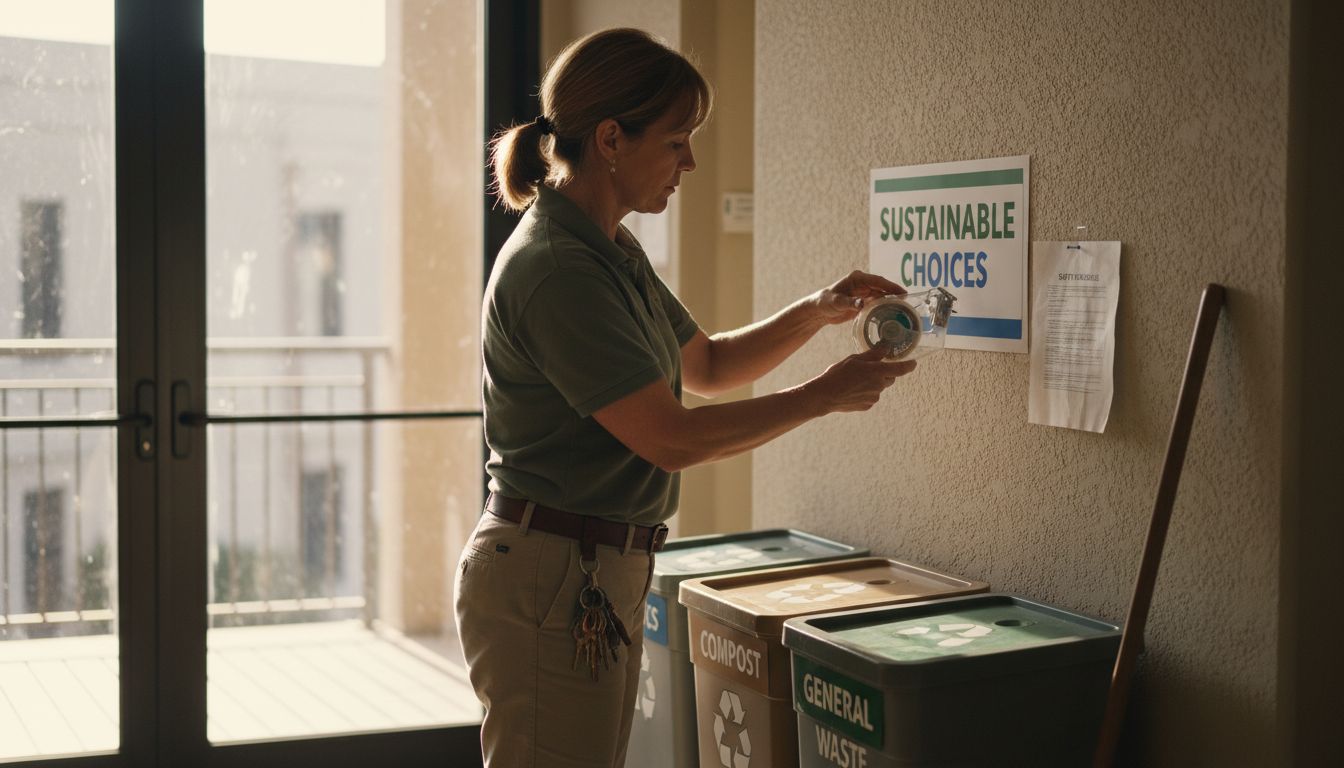
Successful implementation requires developing a phased transition plan that breaks down sustainable changes into manageable stages. Create cross functional teams responsible for researching, testing, and rolling out eco-friendly alternatives. Pro tip: Develop clear metrics and benchmarks to track progress and maintain organizational momentum toward sustainability goals. Regularly communicate achievements and challenges to keep teams motivated and engaged in the transformation process.
Step 4: Promote Eco-Conscious Practices Among Staff and Customers
Engaging both employees and customers in sustainability efforts is crucial for creating meaningful environmental change within your organization. Understanding eco-friendly engagement strategies requires a comprehensive approach that empowers and educates all stakeholders.
The Department of the People emphasizes the importance of creating structured educational programs that transform organizational culture. Design interactive training sessions that demonstrate the direct environmental impact of plastic reduction, using compelling visual data and real world examples that connect individual actions to broader sustainability goals. Steroplast Healthcare recommends implementing incentive programs that recognize and reward eco conscious behaviors, such as employee led sustainability initiatives or customer participation in recycling programs.
Successful promotion requires transparent communication and visible commitment to sustainability principles. Create dedicated communication channels like internal newsletters, customer facing sustainability reports, and interactive digital platforms that showcase your environmental progress. Pro tip: Develop a storytelling approach that makes sustainability personal and actionable, helping both staff and customers understand their unique role in reducing plastic pollution. Regularly celebrate and publicly acknowledge meaningful contributions to maintain momentum and enthusiasm.
Step 5: Monitor Results and Adjust Sustainability Initiatives
Implementing sustainability strategies requires ongoing assessment and dynamic adaptation to ensure meaningful environmental progress. Measuring your environmental impact is crucial for understanding the effectiveness of your microplastic reduction efforts.
Elion highlights the critical importance of conducting systematic plastic usage audits that provide comprehensive insights into organizational plastic consumption patterns. Develop a robust tracking system that captures detailed metrics such as total plastic volume, waste reduction percentages, and material substitution rates. The Plastic Disclosure Project recommends establishing transparent reporting mechanisms that allow for regular performance evaluation and stakeholder communication.
Successful monitoring involves creating adaptive feedback loops that enable continuous improvement. Implement quarterly review sessions where cross functional teams analyze sustainability data and brainstorm targeted interventions. Pro tip: Use visual dashboards and comparative analytics to make complex environmental data more accessible and engaging for team members. Regularly celebrate incremental achievements to maintain organizational motivation and demonstrate the tangible impact of your sustainability initiatives.
Take Control of Microplastic Pollution with Sustainable Solutions
Reducing microplastic pollution starts with making informed and impactful choices. This article highlights the challenges businesses face when evaluating plastic use and transitioning to eco-friendly alternatives. If your goal is to eliminate single-use plastics while maintaining durability and functionality, our The Ocean Straw Growth Pack offers a proven, convenient solution tailored for foodservice and hospitality industries. With innovative wood and plant-based reusable straws, your business can achieve sustainability goals without sacrificing quality or safety.
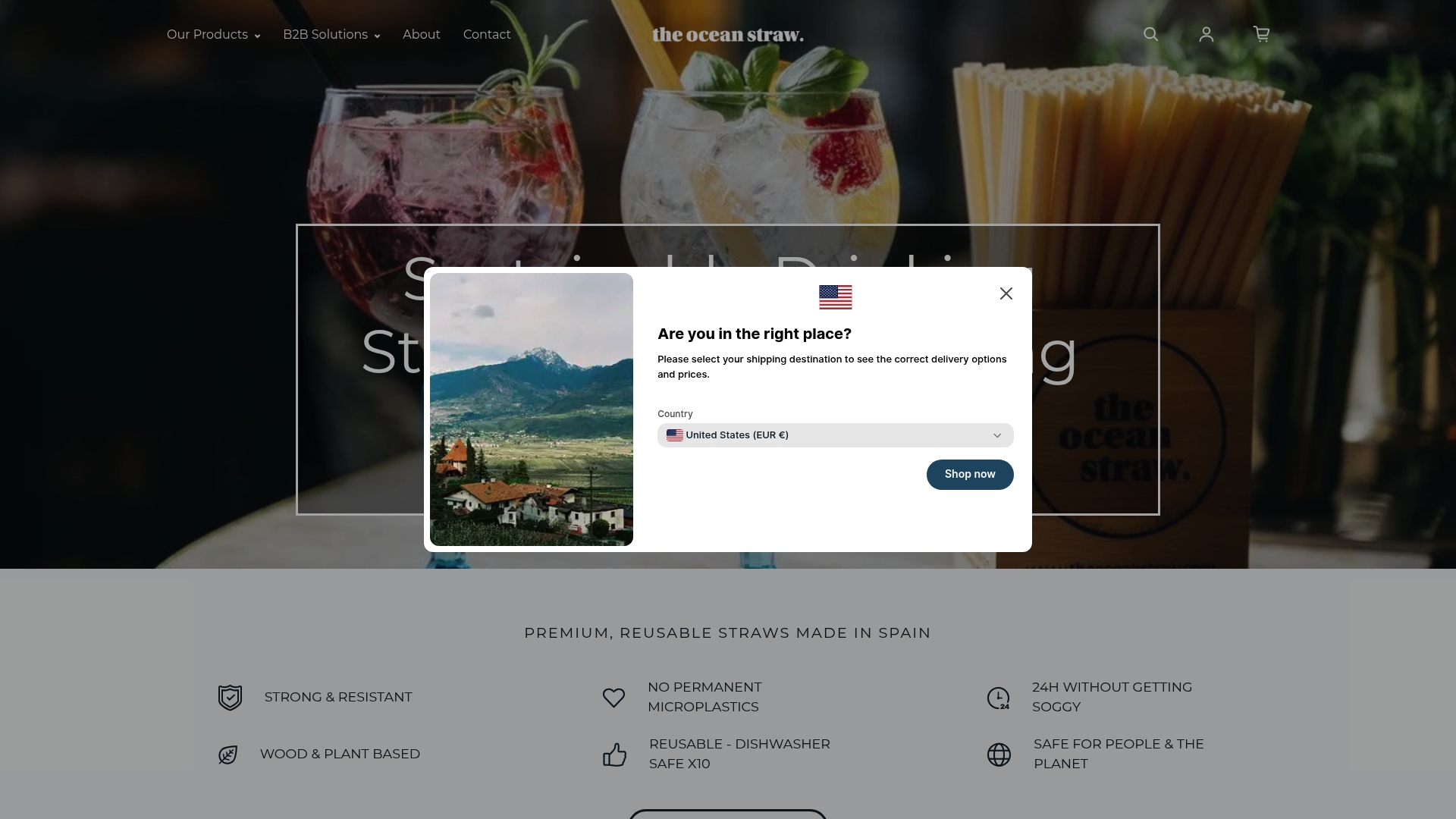
Explore how joining the movement at TheOceanStraw.com empowers your organization to implement sustainable product changes company-wide. Act now to reduce your plastic footprint, engage your team and customers in eco-conscious practices, and monitor real environmental progress. Start your journey to a plastic-free future today by discovering our wholesale options and eco-friendly certifications designed to support your business success.
Frequently Asked Questions
What steps can I take to evaluate my organization’s plastic use?
Start by conducting a comprehensive plastic inventory that documents all plastic items used in your operations. Track single-use items like packaging and utensils for at least one week to identify consumption patterns and areas for improvement.
How can I find eco-friendly alternatives to replace traditional plastics?
Research various sustainable materials, such as bamboo, glass, or plant-based options, to see which can effectively substitute for existing plastic products. Create a comparative matrix to evaluate these alternatives based on durability, cost, and environmental impact.
What does implementing sustainable product changes across my organization involve?
This involves carrying out a company-wide audit of current products to identify opportunities for sustainable substitutions. Develop a phased plan for integrating eco-friendly materials and assign cross-functional teams to oversee the transition.
How can I engage my employees and customers in sustainability efforts?
Create structured educational programs that highlight the importance of reducing plastic waste and involve them in initiatives. Use training sessions and incentive programs to motivate participation and reward eco-conscious behaviors.
What should I do after implementing sustainability initiatives to ensure they are effective?
Regularly monitor and assess the results of your sustainability efforts with systematic audits and tracking. Conduct quarterly reviews with your teams to analyze data and adjust your strategies based on the findings.
How can I maintain momentum for my sustainability initiatives?
Celebrate achievements and recognize contributions from staff and customers to foster enthusiasm for continuous improvement. Use clear communication channels to share progress and set new goals to keep everyone engaged.
Recommended
- Impact of Plastic Waste on Marine Life: Complete Guide – The Ocean Straw
- Plastic Pollution and Sea Life: Comprehensive Guide – The Ocean Straw
- Understanding Environmental Damage Created by Plastic – The Ocean Straw
- Plastic Pollution Environmental Impact: Complete Guide – The Ocean Straw
- Diesel Particulate Filter Maintenance for Professionals – My WordPress