
Strategies for Achieving Sustainable Development in Hospitality

Most American hotels and restaurants still rely on single-use plastics, even though the hospitality sector generates nearly half a million tons of plastic waste every year. For eco-conscious foodservice managers, these mounting environmental impacts highlight an urgent need for practical changes that extend beyond basic recycling or green slogans. Discover how sustainable development can offer actionable strategies to lower waste, support local communities, and help your American business thrive in a changing world.
Table of Contents
- Defining Sustainable Development In Hospitality
- Types Of Sustainability Strategies For Foodservice
- Implementing Eco-Friendly Product Choices
- Waste Reduction And Circular Practices
- Legal, Safety, And Compliance Requirements
- Common Barriers And Solutions For Businesses
Key Takeaways
| Point | Details |
|---|---|
| Sustainable Development in Hospitality | Integrates environmental responsibility, social equity, and economic viability to enhance overall business strategy. |
| Interconnected Dimensions | Focus on environmental, social, and economic aspects is essential for successful implementation of sustainability strategies. |
| Barriers to Sustainability | Common challenges include management resistance and financial constraints, solutions involve demonstrating long-term benefits and engaging staff. |
| Eco-Friendly Practices | Implementing eco-friendly product choices and waste reduction strategies can significantly enhance brand reputation and operational efficiency. |
Defining Sustainable Development in Hospitality
Sustainable development in hospitality represents a comprehensive approach to business strategy that integrates environmental responsibility, social equity, and economic viability within the hotel and restaurant ecosystem. The concept goes beyond simple green practices, transforming hospitality operations into holistic systems that minimize negative environmental impacts while creating meaningful value for guests, employees, and local communities.
At its core, sustainable development requires hospitality organizations to reimagine service design through value-sensitive ecosystems that balance operational efficiency with environmental stewardship. This means developing strategies that reduce resource consumption, minimize waste, support local economies, and create regenerative practices that positively contribute to surrounding ecological and social systems.
The implementation of sustainable development involves multiple interconnected dimensions. Environmentally, hotels must focus on reducing carbon emissions, conserving water and energy, managing waste effectively, and selecting sustainable materials. Socially, sustainable hospitality demands fair labor practices, community engagement, cultural preservation, and creating inclusive experiences. Economically, these strategies must demonstrate financial viability, showing that sustainability can drive innovation, reduce long-term operational costs, and attract environmentally conscious travelers.
Here’s a summary of the three dimensions of sustainable development in hospitality:
| Dimension | Focus Area | Example Business Impact |
|---|---|---|
| Environmental | Reduce energy, waste, emissions | Lower utility costs, brand boost |
| Social | Fair labor, inclusion, community | Happier staff, positive PR |
| Economic | Financial viability, innovation | Long-term savings, more bookings |
Pro tip: Begin your sustainability journey by conducting a comprehensive audit of current practices, identifying key areas for immediate improvement, and setting measurable goals that align environmental responsibility with business performance.
Types of Sustainability Strategies for Foodservice
Sustainability strategies in foodservice represent a holistic approach to transforming operations, focusing on environmental, economic, and social dimensions. These strategies go beyond simple recycling or energy conservation, requiring comprehensive systems thinking that addresses the entire food ecosystem from sourcing to waste management. By implementing integrated approaches, foodservice businesses can significantly reduce their environmental footprint while creating value for stakeholders.
Key sustainability strategies include sustainable food system development, which encompasses interconnected subsystems of food production, processing, distribution, and disposal. This approach requires considering multiple factors such as economic profitability, societal benefits, and environmental neutrality. Practical implementation involves strategic menu planning, local ingredient sourcing, waste reduction techniques, and resource management protocols that minimize ecological impact.
In healthcare and institutional foodservice settings, sustainable strategies also focus on improving overall organizational performance. These include developing plant-forward menus, implementing comprehensive waste reduction programs, selecting environmentally responsible suppliers, and creating educational initiatives that engage employees and customers in sustainability efforts. By integrating these multifaceted approaches, foodservice operations can simultaneously reduce environmental consequences and generate operational efficiencies.
Pro tip: Create a cross-functional sustainability team that includes representatives from procurement, operations, marketing, and management to develop integrated and comprehensive sustainability strategies.
Implementing Eco-Friendly Product Choices
Implementing eco-friendly product choices in hospitality requires a strategic and comprehensive approach that addresses the entire supply chain and operational ecosystem. Eco-friendly practices present significant opportunities for hotels and restaurants to reduce environmental impact while simultaneously enhancing brand reputation and guest satisfaction. This transformation involves carefully selecting materials, equipment, and supplies that minimize ecological footprints and support sustainable development goals.

The selection process for eco-friendly products involves multiple critical considerations. Foodservice and hospitality businesses must evaluate products based on their entire lifecycle, including raw material sourcing, manufacturing processes, transportation emissions, durability, and end-of-life disposal potential. Key criteria include selecting items made from renewable or recycled materials, prioritizing locally sourced products, choosing items with minimal packaging, and identifying suppliers committed to transparent and responsible production practices.
Technical considerations for eco-friendly product implementation extend beyond simple material selection. Organizations must develop comprehensive assessment frameworks that measure environmental performance, including carbon footprint calculations, waste reduction metrics, and energy consumption analysis. This requires cross-functional collaboration between procurement, sustainability teams, and operational managers to create holistic strategies that balance environmental responsibility with operational efficiency and cost-effectiveness.
Pro tip: Develop a comprehensive sustainability scorecard that ranks potential product suppliers and vendors based on their environmental credentials, waste reduction practices, and commitment to sustainable manufacturing.
Waste Reduction and Circular Practices
Waste reduction and circular practices represent a transformative approach for hospitality businesses to address environmental challenges and operational inefficiencies. Effective food waste management involves comprehensive strategies that integrate circular economy principles across every stage of food production, service, and disposal. By reimagining waste as a potential resource, restaurants and hotels can dramatically minimize their environmental footprint while simultaneously reducing operational costs.
The circular practices approach requires a holistic system that encompasses multiple operational dimensions. This includes strategic menu planning to minimize potential waste, implementing precise inventory management techniques, developing robust composting and recycling programs, and creating innovative food repurposing systems. Key strategies involve tracking waste generation, implementing portion control mechanisms, developing partnerships with local food rescue organizations, and training staff in sustainable waste management protocols.
Technical implementation of waste reduction demands sophisticated tracking and measurement systems. Organizations must develop comprehensive waste auditing processes that quantify different types of waste, analyze their sources, and create targeted reduction strategies. This requires investing in digital tracking technologies, training staff in circular economy principles, and creating transparent reporting mechanisms that allow continuous improvement and accountability in waste management practices.
Pro tip: Implement a digital waste tracking system that provides real-time data on waste generation, enabling precise interventions and continuous optimization of reduction strategies.
Legal, Safety, and Compliance Requirements
Legal, safety, and compliance requirements form the critical foundation for sustainable hospitality operations, ensuring that environmental initiatives align with regulatory standards and protect both business interests and guest welfare. Environmental management policies must comprehensively address energy usage, waste management, food safety, and hazardous material handling while maintaining rigorous documentation and performance monitoring standards.
Compliance strategies require a multifaceted approach that integrates legal considerations across operational domains. This involves developing robust internal policies that exceed minimum regulatory requirements, implementing systematic staff training programs, creating detailed risk assessment protocols, and establishing transparent reporting mechanisms. Key areas of focus include workplace safety regulations, environmental protection standards, accessibility requirements, food handling guidelines, and guest protection protocols.
Navigating the complex landscape of hospitality law demands proactive risk management and continuous legal education. Organizations must develop comprehensive frameworks that address potential liability issues, create clear communication channels about guest rights and responsibilities, and implement preventative measures that mitigate potential legal challenges. This requires ongoing staff training, regular policy updates, meticulous record keeping, and a commitment to maintaining high standards of guest care and operational transparency.
Pro tip: Develop a comprehensive compliance checklist that is reviewed quarterly, involving legal counsel and operations management to ensure ongoing alignment with current regulatory requirements.
Common Barriers and Solutions for Businesses
Businesses pursuing sustainable development in hospitality encounter complex challenges that require strategic, multifaceted approaches to overcome. Sustainability implementation barriers typically emerge from management resistance, financial constraints, staff engagement difficulties, and systemic knowledge gaps that impede transformative change. Understanding these obstacles is crucial for developing effective mitigation strategies that align environmental goals with operational realities.
The primary barriers often manifest through economic and organizational challenges. Financial concerns frequently prevent businesses from investing in sustainable infrastructure, with many leaders viewing eco-friendly initiatives as cost centers rather than strategic opportunities. Overcoming these perceptions requires demonstrating clear economic benefits, such as reduced operational expenses, enhanced brand reputation, and increased customer loyalty. Staff training and engagement programs become critical, transforming sustainability from an abstract concept into a tangible, actionable organizational priority.
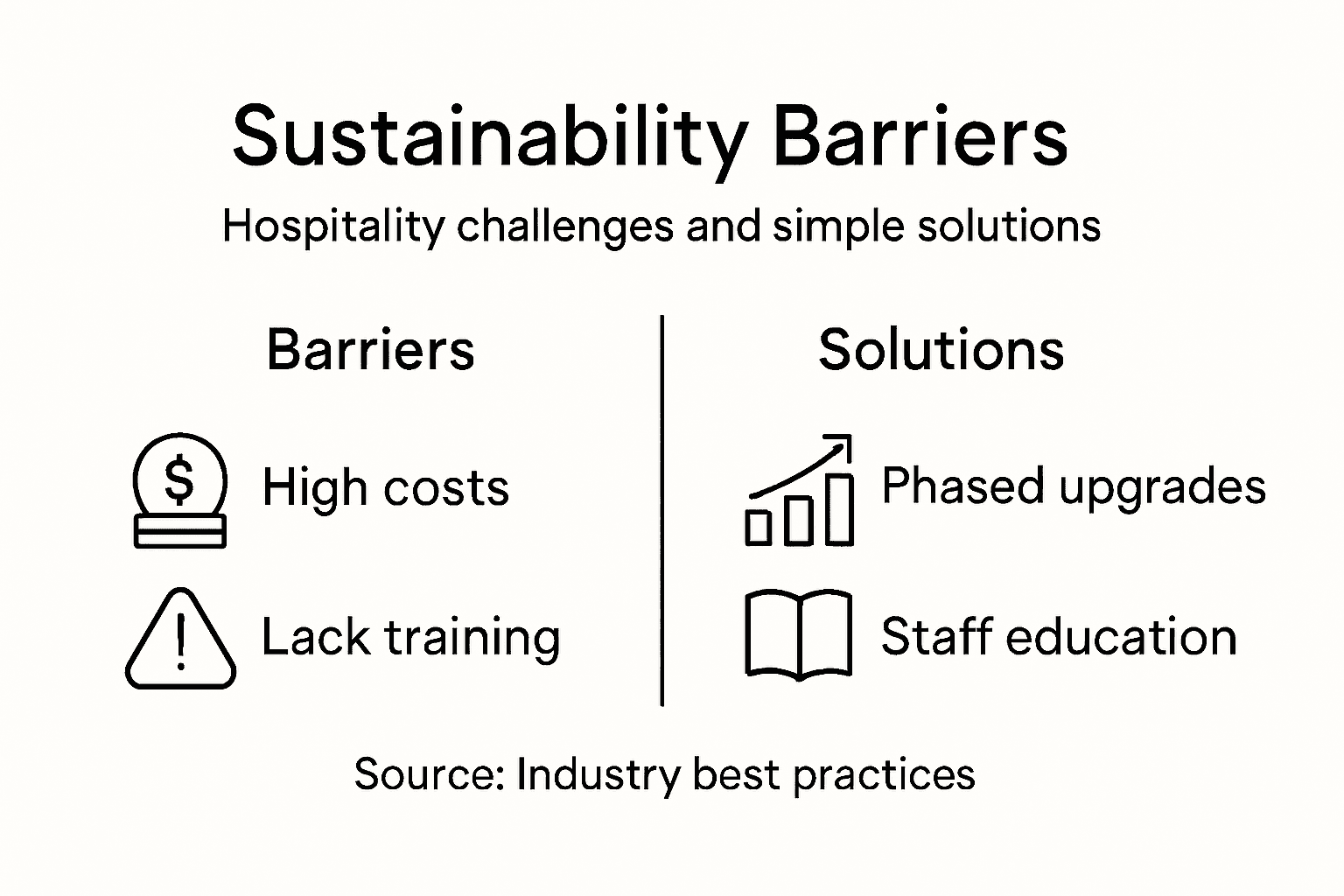
Successful navigation of sustainability challenges demands a comprehensive approach that addresses cultural, technological, and strategic dimensions. This involves creating robust change management frameworks, developing clear communication strategies, providing continuous education, and establishing measurable sustainability objectives. Organizations must foster a culture of innovation that encourages employees to contribute creative solutions, view sustainability as a collective responsibility, and recognize individual contributions to broader environmental goals.
Common challenges and effective solutions for sustainable hospitality:
| Barrier | Root Cause | Example Solution |
|---|---|---|
| Management resistance | Perceived high costs | Demonstrate long-term savings |
| Financial constraints | Limited investment funds | Apply for green business grants |
| Staff engagement difficulties | Lack of training | Launch sustainability workshops |
| Knowledge gaps | Rapidly evolving standards | Provide continuous education |
Pro tip: Create a cross-functional sustainability task force with representatives from different departments to develop integrated strategies and maintain ongoing momentum for sustainable transformation.
Elevate Your Hospitality Sustainability with Innovative Eco-Friendly Choices
Sustainable development in hospitality demands actionable steps to reduce environmental impact while enhancing guest experience and operational efficiency. The challenges of minimizing waste and adopting circular practices are real but solvable. By integrating durable, biodegradable products like sustainable straws, your business can align perfectly with environmental and economic goals highlighted in sustainable development strategies.
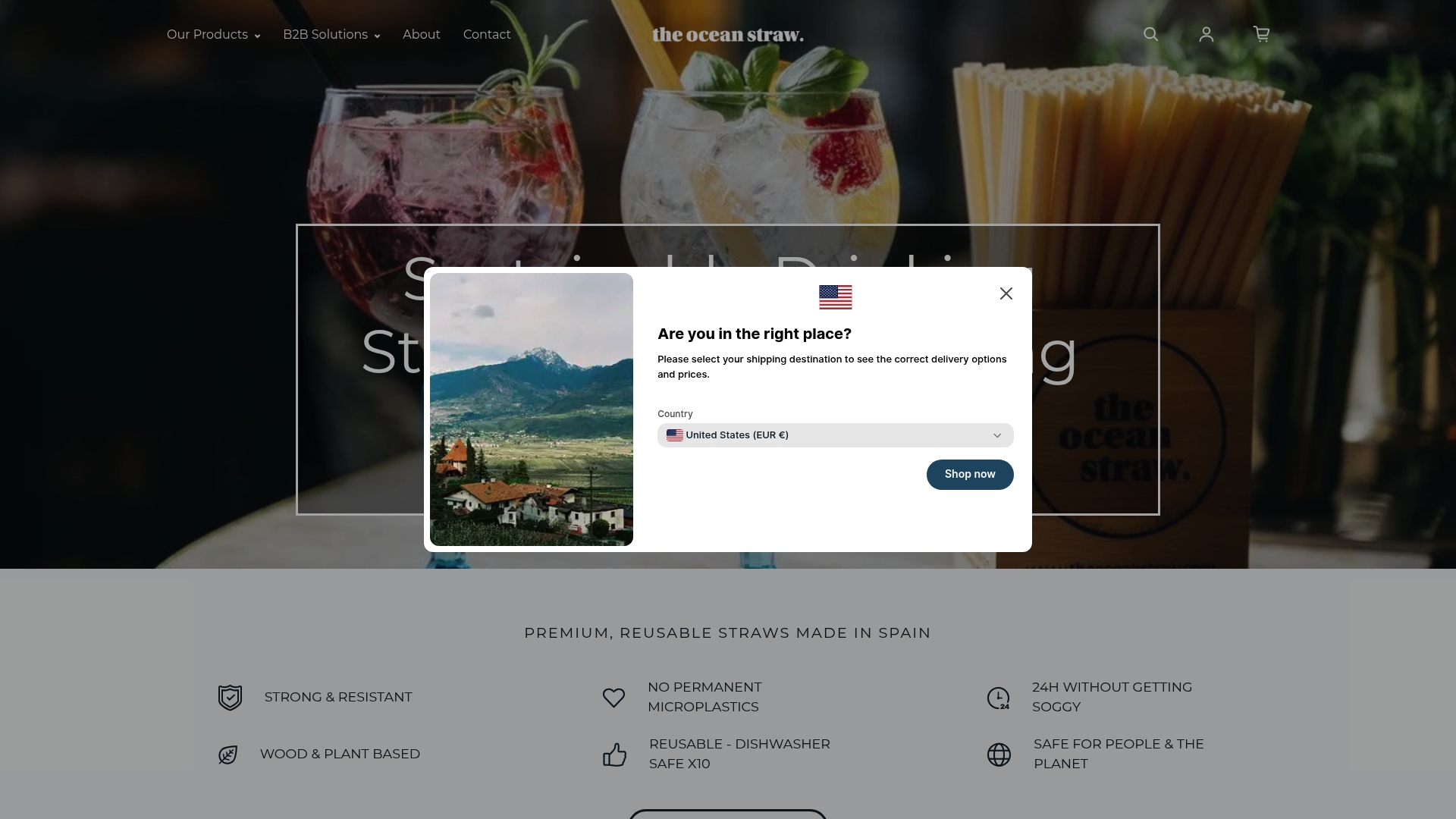
Discover how TheOceanStraw.com offers a proven solution tailored for the foodservice and hospitality industry. Our wood and plant-based reusable straws emphasize durability, safety, and biodegradability—key factors for reducing single-use plastics in your daily operations. Make an immediate positive impact by choosing eco-friendly products that resonate with your sustainability commitments and boost your brand reputation. Explore our full range today at TheOceanStraw.com and take the next step toward a greener hospitality future.
Learn more about our sustainable product options and how they support your environmental objectives at TheOceanStraw.com and see why so many businesses trust our eco-friendly straws to enhance their green initiatives.
Frequently Asked Questions
What are the key dimensions of sustainable development in hospitality?
Sustainable development in hospitality focuses on three key dimensions: environmental responsibility, social equity, and economic viability. Each dimension aims to minimize negative impacts while creating value for stakeholders.
How can hospitality businesses implement eco-friendly product choices?
Hospitality businesses can implement eco-friendly product choices by evaluating the entire lifecycle of products, prioritizing renewable or recycled materials, sourcing locally, and collaborating with suppliers who are committed to sustainability.
What strategies can foodservice businesses adopt for sustainability?
Foodservice businesses can adopt sustainability strategies such as menu planning with local ingredients, implementing waste reduction techniques, engaging in comprehensive resource management, and partnering with organizations that focus on food rescue.
What are common barriers to implementing sustainable practices in hospitality?
Common barriers include management resistance due to perceived costs, financial constraints limiting investments, difficulties in staff engagement, and knowledge gaps regarding evolving sustainability standards. Addressing these requires clear communication, continuous education, and a culture of innovation.