
Sustainable Management of Natural Resources: Hospitality Solutions

Single-use plastic continues to challenge eco-conscious hospitality managers determined to create greener operations. Sustainable natural resource management is central to balancing the comfort of guests with responsible stewardship of Earth’s resources. By focusing on ecosystem resilience and using strategic, collaborative approaches, you can tackle waste, conserve vital landscapes, and set your hotel or restaurant apart as a leader in environmental excellence.
Table of Contents
- Defining Sustainable Natural Resource Management
- Key Types of Natural Resources Managed
- Core Principles and Best Practices
- Real-World Challenges in Hospitality Industry
- Integrating Eco-Friendly Products and Solutions
- Measuring Impact and Continuous Improvement
Key Takeaways
| Point | Details |
|---|---|
| Sustainable Resource Management | This approach ensures the responsible use of natural resources while balancing economic and social benefits for present and future generations. |
| Role of Hospitality Businesses | Hospitality organizations must adopt innovative strategies to minimize environmental impacts and enhance operational efficiency for sustainability. |
| Core Principles | Key strategies include efficient resource utilization, social responsibility, and stakeholder collaboration, which are essential for long-term sustainability success. |
| Impact Measurement | Implementing robust measurement systems facilitates data-driven decision-making, ensuring continuous improvement in environmental practices. |
Defining Sustainable Natural Resource Management
Sustainable natural resource management represents a strategic approach to preserving and utilizing environmental assets responsibly. At its core, this practice involves maintaining ecosystem resilience while ensuring economic and social benefits for current and future generations.
The fundamental principles of sustainable resource management encompass several key components:
- Responsible utilization of natural resources
- Ecosystem preservation and regeneration
- Long-term strategic planning
- Collaborative decision-making
- Evidence-based environmental stewardship
Hospitality businesses play a critical role in this framework by implementing practices that minimize environmental impact while maintaining operational efficiency. This involves understanding resource consumption patterns, identifying sustainable alternatives, and developing innovative strategies that reduce waste and promote conservation.
Sustainable management isn’t about restricting usage, but about creating balanced, regenerative systems that support both human needs and ecological health.
Governmental policies worldwide are increasingly supporting sustainable resource management through regulations and incentive programs. International agreements like the Paris Agreement demonstrate a global commitment to collaborative environmental protection and responsible resource utilization.
Pro tip: Conduct a comprehensive environmental audit of your hospitality operations to identify specific opportunities for sustainable resource management and reduction of ecological footprint.
Key Types of Natural Resources Managed
In the hospitality industry, understanding and managing natural resources is crucial for sustainable operations. Natural capital encompasses diverse ecosystem components that directly impact service quality and environmental preservation.
The key types of natural resources managed in hospitality include:
- Water resources: Rivers, lakes, groundwater systems
- Landscape elements: Scenic environments, terrain, vegetation
- Biodiversity: Local flora and fauna ecosystems
- Climate conditions: Temperature, precipitation, weather patterns
- Soil and geological resources: Land formations, mineral deposits
- Cultural landscapes: Traditional environments with historical significance
Hospitality organizations must recognize that these resources are interconnected and require holistic management strategies. By understanding the intricate relationships between different natural assets, businesses can develop more comprehensive sustainability approaches that minimize environmental impact while maintaining operational excellence.
Natural resource management in hospitality is not just an environmental responsibility, but a strategic business imperative that ensures long-term viability and competitive advantage.
Effective resource management involves continuous monitoring, adaptive strategies, and collaborative approaches that integrate ecological preservation with economic objectives. This requires sophisticated tracking systems, interdisciplinary research, and proactive conservation techniques.
Pro tip: Develop a comprehensive natural resource inventory for your hospitality operation, mapping out all ecological assets and their potential vulnerabilities to create targeted conservation strategies.
Here’s a summary of how key natural resources impact hospitality operations:
| Resource Type | Operational Influence | Sustainability Challenges |
|---|---|---|
| Water | Essential for guests and cleaning | Scarcity, wastage, high demand |
| Landscape Elements | Attracts guests, brand image | Erosion, overuse, maintenance cost |
| Biodiversity | Unique experiences, local cuisine | Habitat loss, species decline |
| Climate Conditions | Seasonal demand, energy usage | Unpredictable weather, adaptation |
| Soil & Geology | Site selection, landscaping | Contamination, degradation |
| Cultural Landscapes | Guest engagement, differentiation | Damage, loss of heritage value |
Core Principles and Best Practices
Sustainable natural resource management in hospitality requires a comprehensive approach that balances environmental responsibility with operational excellence. World Economic Forum guidelines highlight critical strategies for creating meaningful sustainability initiatives.
The core principles of sustainable resource management include:
- Efficient Resource Utilization: Minimizing waste and optimizing consumption
- Environmental Impact Reduction: Implementing strategies that protect ecosystem health
- Social Responsibility: Supporting fair labor practices and community engagement
- Transparent Reporting: Documenting and communicating sustainability efforts
- Continuous Improvement: Regularly assessing and updating environmental strategies
- Stakeholder Collaboration: Engaging employees, guests, and local communities
Successful implementation demands a holistic approach that integrates sustainability into every aspect of hospitality operations. This means moving beyond simple compliance to create transformative practices that generate real environmental and economic value.
Sustainability is not a destination, but a continuous journey of innovation and responsible management.
Practical implementation requires developing comprehensive measurement systems, investing in employee training, and creating incentive structures that reward sustainable practices. Technology plays a crucial role, offering advanced tools for tracking resource consumption, identifying inefficiencies, and developing targeted improvement strategies.
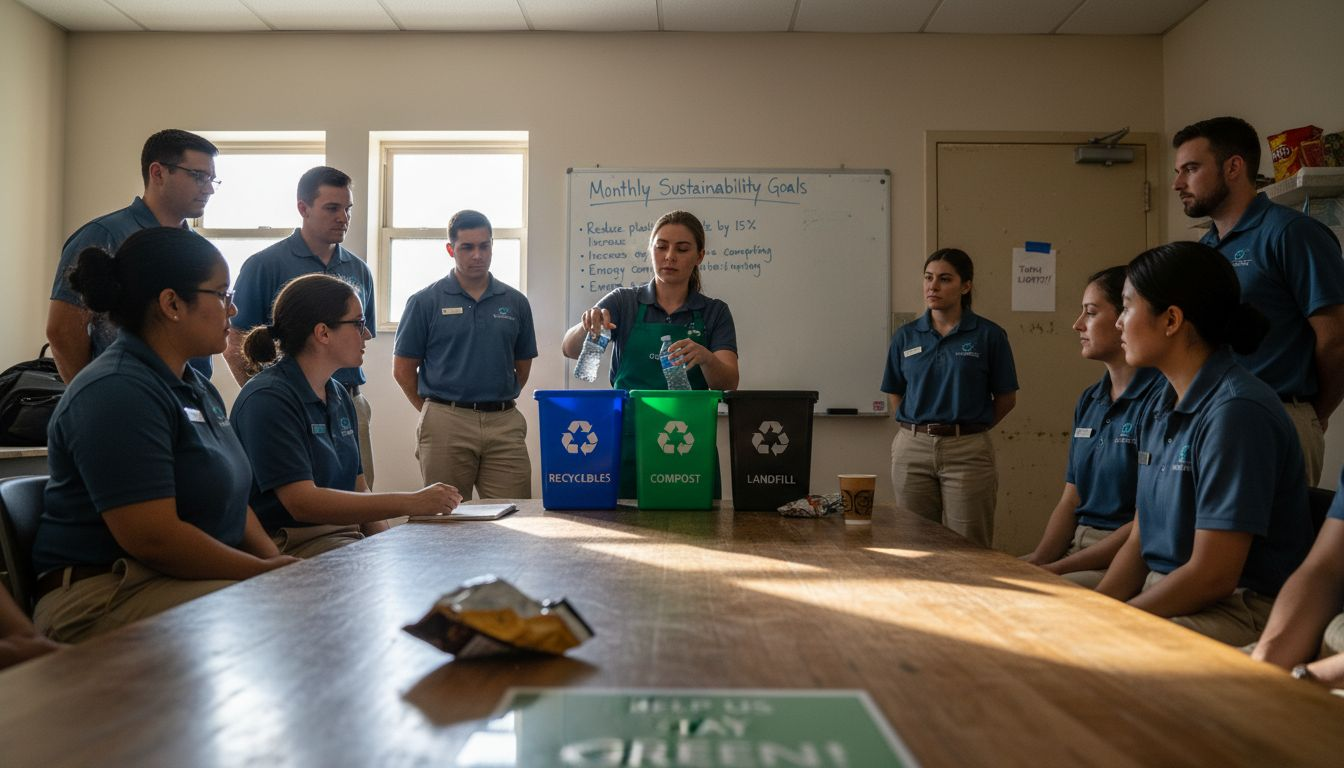
Pro tip: Develop a comprehensive sustainability scorecard that tracks key environmental metrics, allowing your hospitality operation to quantify and communicate its ongoing environmental progress.
Real-World Challenges in Hospitality Industry
The hospitality sector confronts multifaceted sustainability challenges that demand innovative and strategic responses. Research reveals significant operational sustainability barriers that require comprehensive and nuanced approaches.
Key sustainability challenges in the hospitality industry include:
- Energy Consumption: High operational energy requirements
- Water Scarcity: Significant water usage and inefficient management
- Waste Generation: Complex waste production and disposal issues
- Supply Chain Complexity: Tracking and managing indirect environmental impacts
- Regulatory Compliance: Navigating evolving environmental regulations
- Stakeholder Engagement: Limited awareness and commitment
These challenges are interconnected, requiring holistic strategies that address environmental, economic, and social dimensions simultaneously. Successful navigation demands a comprehensive understanding of the intricate relationships between operational practices and sustainability goals.
Sustainability in hospitality is not about perfection, but about consistent, meaningful progress towards responsible business practices.
Technological innovation, transparent reporting, and collaborative approaches are crucial for overcoming these systemic challenges. Businesses must develop adaptive strategies that can respond to rapidly changing environmental and regulatory landscapes while maintaining economic viability.
Pro tip: Conduct a comprehensive sustainability audit to identify specific operational challenges and develop targeted intervention strategies that align environmental goals with business objectives.
Integrating Eco-Friendly Products and Solutions
Sustainable hospitality requires a strategic approach to selecting and implementing eco-friendly products that minimize environmental impact. Hospitality sustainability initiatives encompass comprehensive product integration across operational domains, transforming traditional business practices.
Key strategies for integrating eco-friendly solutions include:
- Sustainable Materials: Utilizing recycled, renewable, and low-carbon products
- Energy-Efficient Technologies: Implementing green appliances and smart systems
- Water Conservation: Installing low-flow fixtures and water recycling mechanisms
- Waste Reduction: Adopting compostable and biodegradable product alternatives
- Responsible Sourcing: Selecting suppliers with verified environmental credentials
- Circular Economy Principles: Designing products for reuse and minimal waste
Successful integration demands more than simply purchasing green products. Hospitality organizations must develop comprehensive strategies that align product selection with broader sustainability goals, ensuring that environmental considerations are embedded into core operational decision-making processes.
Eco-friendly product integration is not a cost but an investment in future-proofing hospitality operations.
Implementation requires a holistic approach involving staff training, guest education, and continuous performance monitoring. By creating a culture of sustainability, hospitality businesses can transform product choices into meaningful environmental impact reduction strategies.
Pro tip: Develop a systematic evaluation framework for assessing potential eco-friendly products, considering their environmental credentials, performance metrics, and alignment with your organization’s sustainability objectives.
This table compares two approaches for implementing eco-friendly solutions in hospitality:
| Approach | Main Focus | Typical Benefits | Common Limitations |
|---|---|---|---|
| Product Substitution | Replace basics | Immediate impact, easy start | May lack strategic integration |
| Integrated Strategy | System-wide change | Long-term savings, brand value | Requires training, higher upfront investment |
Measuring Impact and Continuous Improvement
Effective sustainability management requires robust impact measurement systems that provide actionable insights into environmental performance. Environmental sustainability indicators track critical resource metrics enabling data-driven decision-making for hospitality organizations.
Key performance indicators for measuring sustainability impact include:
- Energy Consumption: Tracking total energy use and renewable energy percentage
- Water Usage: Monitoring water consumption and conservation efforts
- Waste Management: Measuring waste generation, recycling rates, and landfill diversion
- Carbon Emissions: Calculating total carbon footprint and emissions reduction
- Resource Efficiency: Analyzing resource utilization across operational domains
- Stakeholder Engagement: Assessing environmental education and participation levels
Successful impact measurement goes beyond simple data collection. Hospitality organizations must develop comprehensive frameworks that translate raw data into strategic insights, enabling continuous improvement and adaptive management approaches.
Measurement is not about generating numbers, but about creating a meaningful narrative of environmental progress.
Implementing effective measurement requires investment in technology, training, and organizational culture. By creating transparent, comprehensive tracking systems, businesses can demonstrate their commitment to sustainability while identifying opportunities for innovation and efficiency.
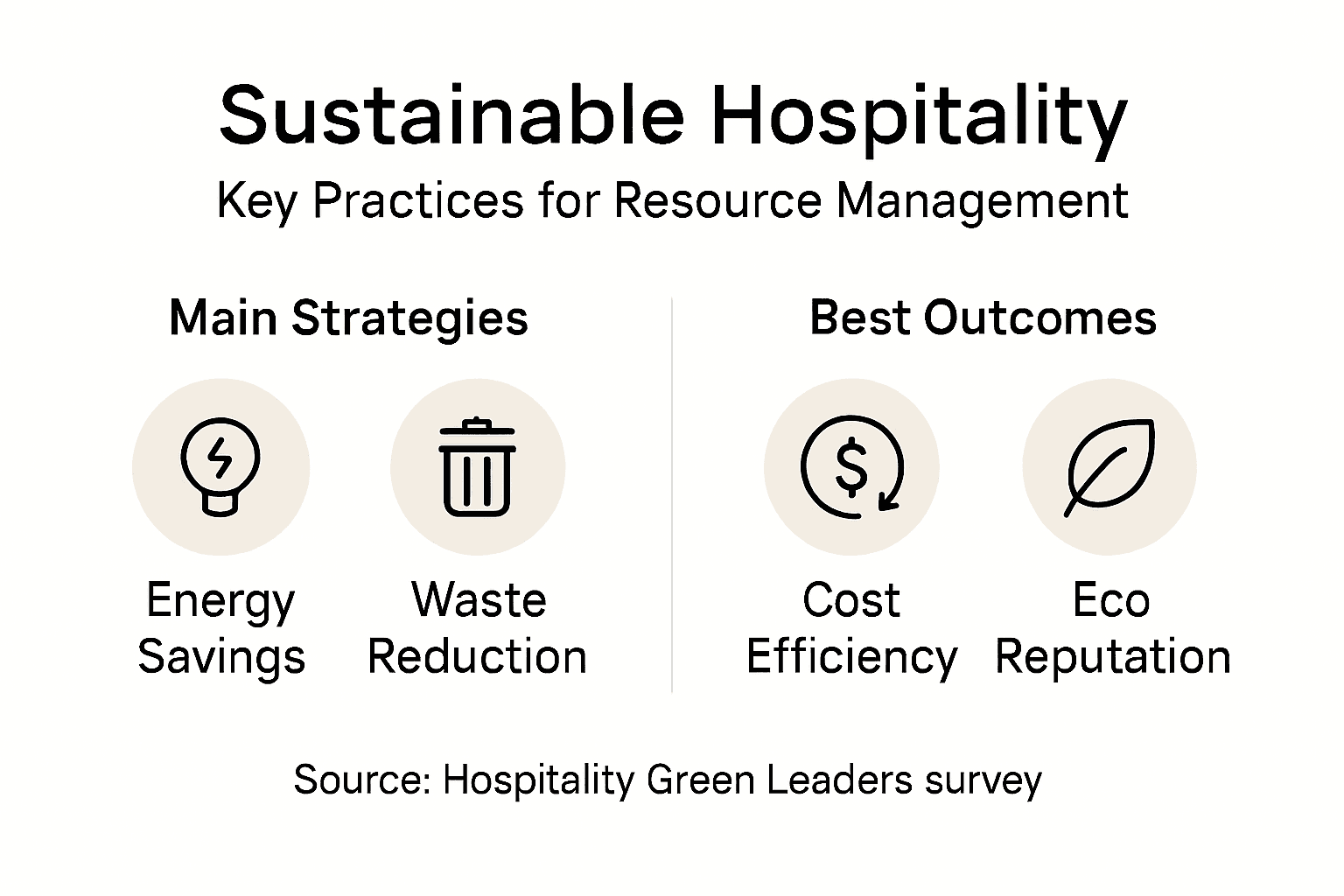
Pro tip: Implement a digital dashboard that consolidates sustainability metrics, providing real-time visibility into environmental performance and facilitating rapid strategic adjustments.
Elevate Your Hospitality Sustainability with Innovative Natural Resource Solutions
The challenge of managing natural resources sustainably while maintaining quality hospitality service requires smart, eco-friendly choices. This article highlights the critical need for efficient resource utilization and waste reduction in hospitality operations. By integrating durable and biodegradable products like The Ocean Straw’s plant-based reusable drinking straws, your business can reduce dependency on single-use plastics and directly contribute to minimizing environmental impact and supporting regenerative systems.
Bold steps in adopting sustainable materials align perfectly with the core principles of sustainable natural resource management such as responsible utilization and environmental impact reduction. Explore how these innovative straws offer not only durability and safety but also align with your operational goals to enhance brand reputation and guest experience while supporting comprehensive conservation efforts.
Ready to transform your hospitality operation with eco-friendly solutions that embody sustainable management ideals? Visit The Ocean Straw today to discover detailed product specifications and explore wholesale options designed for impactful environmental stewardship. Take action now to align your business with global sustainability initiatives and create a memorable, responsible guest experience.
Frequently Asked Questions
What are the core principles of sustainable natural resource management in hospitality?
Sustainable natural resource management in hospitality focuses on efficient resource utilization, reducing environmental impacts, supporting social responsibility, ensuring transparent reporting, promoting continuous improvement, and fostering stakeholder collaboration.
How can hospitality businesses integrate eco-friendly products into their operations?
Hospitality businesses can integrate eco-friendly products by using sustainable materials, energy-efficient technologies, water conservation fixtures, waste reduction strategies, responsible sourcing, and adopting circular economy principles.
What are the main challenges hospitality industries face in achieving sustainability?
Key challenges include managing high energy consumption, addressing water scarcity, minimizing waste generation, navigating supply chain complexities, ensuring regulatory compliance, and enhancing stakeholder engagement and awareness.
How can the impact of sustainable practices in hospitality be measured?
The impact of sustainable practices can be measured through key performance indicators such as energy consumption, water usage, waste management, carbon emissions, resource efficiency, and levels of stakeholder engagement.
Recommended
- Understanding Natural Resource Management in Hospitality – The Ocean Straw
- Strategies for Achieving Sustainable Development in Hospitality – The Ocean Straw
- Understanding Innovative Waste Solutions for Hospitality – The Ocean Straw
- Understanding Sustainability Strategy Development for Hotels and Resta – The Ocean Straw
- Restaurante saludable: qué significa en Barcelona