
How to Use Less Plastic Bags for Greener Restaurants

Plastic bag waste has reached alarming proportions, with more than 100 billion single-use bags discarded every year in American restaurants alone. For sustainability-minded restaurant and cafe owners, this issue goes beyond numbers. It affects reputation, customer trust, and long-term environmental impact. Discover clear steps and practical tools to help your business replace plastic bags, reduce waste, and meet growing demand for sustainable packaging—all while strengthening your green commitment.
Table of Contents
- Step 1: Assess Current Plastic Bag Usage
- Step 2: Introduce Sustainable Bag Alternatives
- Step 3: Train Staff on Eco-Friendly Practices
- Step 4: Monitor and Reduce Bag Consumption
- Step 5: Verify Results and Promote Success
Quick Summary
| Key Point | Explanation |
|---|---|
| 1. Assess Plastic Bag Usage | Conduct a detailed audit of daily plastic bag usage to identify reduction opportunities in your restaurant. |
| 2. Explore Sustainable Alternatives | Investigate packaging options like compostable materials and reusable bags that align with your sustainability goals. |
| 3. Train Staff Effectively | Implement a comprehensive training program to educate your staff on eco-friendly practices and their importance. |
| 4. Monitor and Set Reduction Targets | Establish a tracking system for bag usage and set measurable reduction targets to enhance accountability and progress. |
| 5. Promote and Verify Achievements | Document and share your sustainability successes to inspire others and maintain engagement in environmental efforts. |
Step 1: Assess Current Plastic Bag Usage
Accurately tracking your restaurant’s plastic bag consumption is the first crucial step toward meaningful waste reduction. Understanding the scope and scale of your current plastic bag usage will help you develop targeted strategies for minimizing environmental impact.
Start by conducting a comprehensive audit of your plastic bag inventory and usage patterns. Document how many bags your restaurant uses daily across different departments like takeout services, delivery packaging, staff operations, and storage needs. Tracking plastic waste flows enables restaurants to identify precise opportunities for reduction and sustainable alternatives. Consider creating a detailed spreadsheet that captures bag types used frequency of use total monthly consumption and potential waste streams.
Make your assessment as granular as possible by categorizing bags by size function and department. Note specific contexts where bags are most frequently utilized such as customer takeout packaging staff storage kitchen operations or delivery services. This systematic approach will reveal unexpected insights about your plastic consumption habits and highlight immediate opportunities for strategic reduction.
Pro tip: Engage your entire staff in the plastic bag assessment process to ensure comprehensive data collection and build organizational awareness about sustainability goals.
Step 2: Introduce Sustainable Bag Alternatives
Transitioning your restaurant to sustainable bag alternatives is a powerful strategy for reducing plastic waste and demonstrating your commitment to environmental responsibility. This step involves exploring innovative packaging solutions that maintain functionality while minimizing ecological impact.
Innovative sustainable packaging solutions offer restaurants numerous alternatives to traditional plastic bags. Consider exploring biobased materials like compostable flexible packaging or origami inspired paper options that provide durability and biodegradability. Prioritize materials that meet commercial composting standards and can effectively support food transportation needs. Some promising alternatives include cellulose based bags plant derived packaging materials and reusable fabric bags designed specifically for restaurant use.
When selecting sustainable bag alternatives evaluate each option based on several key criteria: environmental performance ease of disposal biodegradability cost effectiveness and customer perception. Reusable food service ware remains the preferred choice for sustainability particularly if you can establish a robust collection and reuse system. For situations where reusable options are impractical focus on commercially compostable materials that can be processed through industrial composting facilities.
Pro tip: Test multiple sustainable bag alternatives with your staff and customers to find the most practical and well received option for your specific restaurant environment.
Here’s how popular sustainable bag alternatives compare on key criteria:
| Material Type | Environmental Benefit | Disposal Method | Typical Cost Impact |
|---|---|---|---|
| Compostable plastics | Reduces landfill waste | Industrial compost only | Often 10-25% higher |
| Paper bags | Renewable, biodegradable | Curbside recycling | Comparable to plastic |
| Cellulose-based | Plant-derived, composts | Home or commercial compost | Moderate increase |
| Reusable fabric | Cuts single-use waste | Multiple reuses, wash | Highest initial cost |
Step 3: Train Staff on Eco-Friendly Practices
Training your restaurant staff on sustainable practices is a critical component of successfully reducing plastic bag consumption and building an environmentally responsible workplace culture. By educating employees about green initiatives, you can transform your entire approach to packaging and waste management.
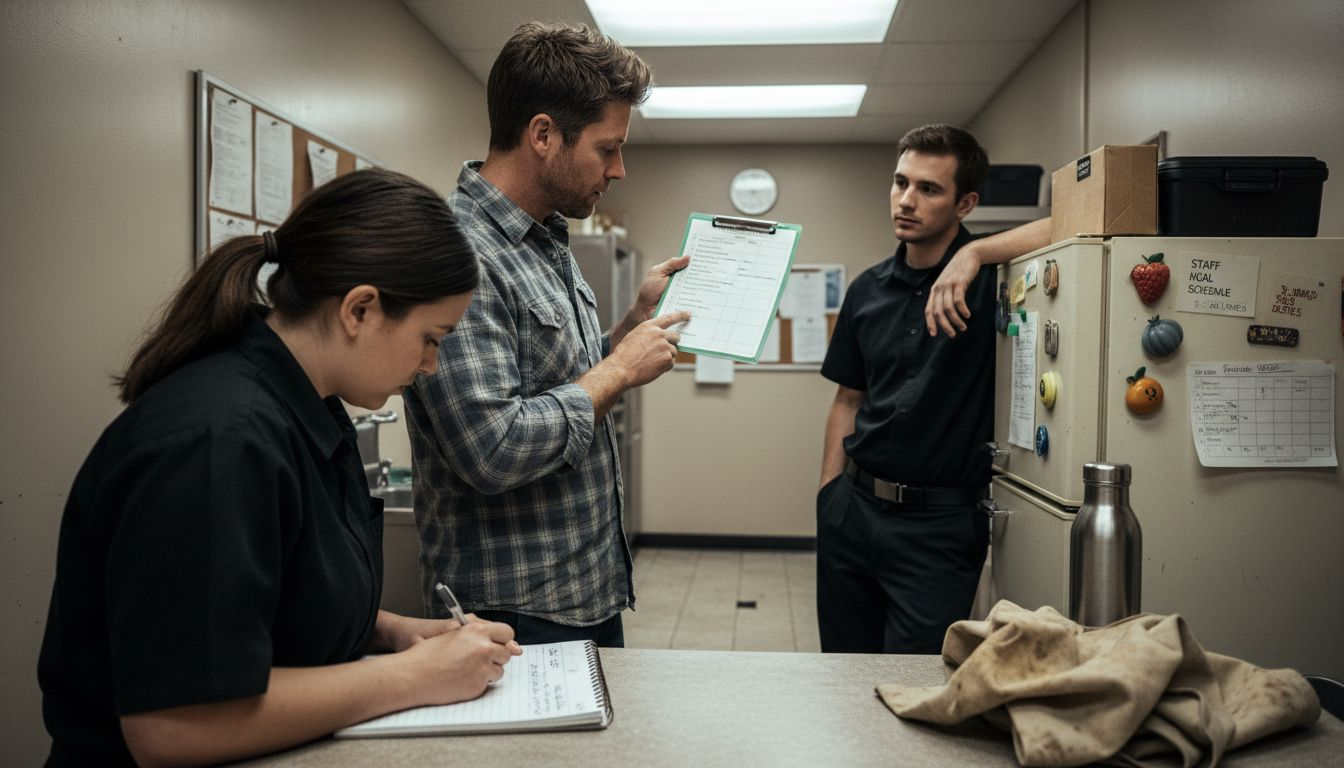
Implementing green practices through staff training empowers employees to become active participants in your sustainability strategy. Develop a comprehensive training program that covers the environmental impact of plastic bags, demonstrates proper use of alternative packaging, and explains the restaurant’s specific sustainability goals. This training should include practical demonstrations of new bag alternatives, clear guidelines for their usage, and the reasoning behind these environmental choices.
Effective staff training goes beyond simple instruction. Good Hygiene Practices and sustainability training creates a culture of environmental responsibility where employees understand their role in reducing waste. Consider creating interactive workshops, providing visual materials, and offering incentives for staff members who consistently implement eco friendly practices. Regularly update your training materials to reflect new sustainable technologies and packaging alternatives, ensuring your team remains engaged and informed about the latest environmental solutions.
Pro tip: Create a staff sustainability champion program that recognizes and rewards employees who demonstrate exceptional commitment to reducing plastic waste and implementing green practices.
Below is a summary of staff engagement strategies for sustainability success:
| Engagement Strategy | Description | Benefit to Restaurant |
|---|---|---|
| Staff training workshops | Hands-on instruction on green practices | Boosts skill and buy-in |
| Sustainability champions | Recognize key eco-minded employees | Encourages positive behaviors |
| Incentives & rewards | Offer perks for meeting reduction goals | Sustains engagement long-term |
| Visual progress displays | Share achievements on dashboards | Fosters ongoing motivation |
Step 4: Monitor and Reduce Bag Consumption
Tracking and minimizing plastic bag usage is essential for restaurants committed to sustainable practices. By implementing systematic monitoring strategies, you can significantly reduce your environmental footprint and demonstrate your commitment to responsible waste management.
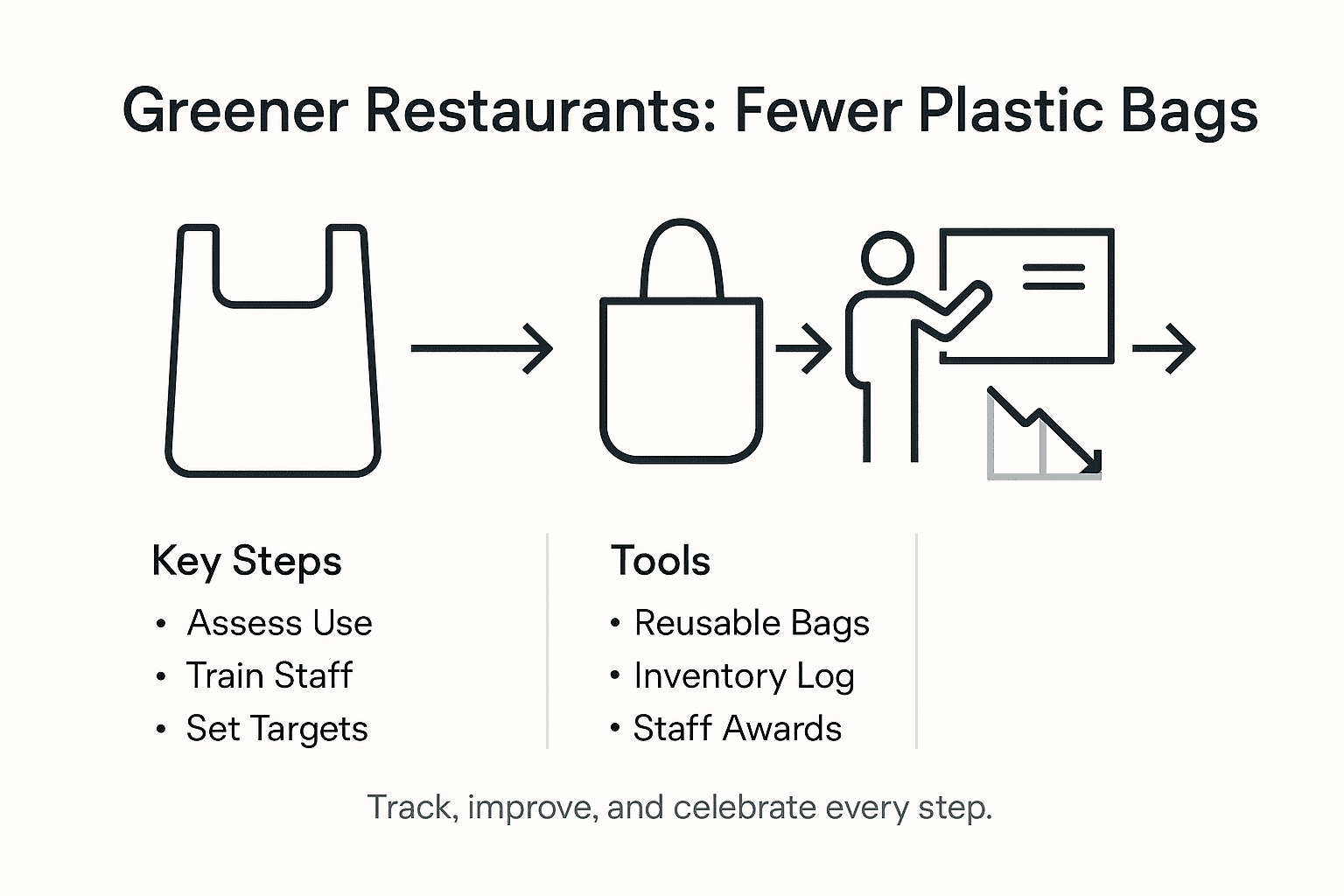
Reducing plastic bag consumption through targeted initiatives requires a comprehensive approach that combines data tracking and strategic interventions. Establish a robust tracking system that quantifies monthly plastic bag usage across different restaurant departments such as takeout services, delivery operations, and kitchen storage. Utilize digital spreadsheets or specialized sustainability tracking software to record precise bag consumption metrics, allowing you to identify specific areas where reduction strategies can be most effectively implemented.
Develop a multifaceted approach to bag consumption reduction by setting clear monthly or quarterly reduction targets. Create visual dashboards that showcase your progress, making sustainability metrics transparent for both staff and customers. Implement incentive programs that reward departments or individual staff members who contribute most effectively to reducing plastic bag usage. Regular analysis of consumption data will help you refine your strategies, identify emerging trends, and continuously improve your restaurant’s environmental performance.
Pro tip: Integrate bag consumption tracking into your existing inventory management systems to streamline data collection and make sustainability monitoring a seamless part of your operational workflow.
Step 5: Verify Results and Promote Success
Celebrating and documenting your restaurant’s sustainability achievements is crucial for maintaining momentum and inspiring broader environmental change. By systematically verifying and sharing your plastic bag reduction efforts, you create tangible proof of your commitment to sustainable practices.
Case studies of restaurant sustainability initiatives demonstrate the powerful impact of tracking and communicating environmental progress. Conduct a comprehensive analysis of your plastic bag reduction program, documenting key metrics such as total bags eliminated, cost savings, and environmental impact. Prepare detailed reports that showcase quantifiable results including the number of bags saved, reduced waste volume, and potential carbon footprint reduction. These concrete numbers transform your sustainability efforts from abstract goals to measurable achievements.
Extend your impact by creating multiple channels to share your success. Develop compelling visual materials like infographics for social media, create a dedicated section on your restaurant website highlighting sustainability achievements, and consider press releases or local media outreach. Engage customers by transparently communicating your environmental milestones during service, through menu inserts, or digital displays. This approach not only validates your efforts but also inspires other businesses and customers to consider their own environmental practices.
Pro tip: Create a sustainability progress dashboard that can be easily updated and shared across multiple platforms to maintain ongoing transparency and engagement.
Take the Next Step Toward a Greener Restaurant Today
Reducing plastic bag use is a vital challenge for any restaurant eager to embrace sustainability and protect our environment. This article highlights the importance of assessing consumption, adopting sustainable alternatives, and empowering staff with eco-friendly practices. To complement these efforts, integrating reusable, plant-based products that replace single-use plastics amplifies your green impact and strengthens your commitment to environmental responsibility.
Discover how The Ocean Straw Growth Pack can help your business reduce overall plastic waste by offering durable, biodegradable straws made from innovative wood and plant materials. These straws align perfectly with your green initiatives, providing a practical alternative that supports your sustainability goals and appeals to eco-conscious customers.
Make a bold statement with your restaurant by adopting proven solutions at TheOceanStraw.com. Visit our site now to explore our premium reusable straw options and see how your business can lead the way in minimizing plastic waste. Act now to create a cleaner, greener future for your restaurant and the planet.
Frequently Asked Questions
How can I assess my restaurant’s current plastic bag usage?
To assess your restaurant’s plastic bag usage, conduct a detailed inventory and audit of how many bags are used daily across all departments. Document types of bags, frequency of use, and total monthly consumption to identify areas for improvement within 30 days.
What sustainable bag alternatives should I consider for my restaurant?
Consider using compostable flexible packaging, cellulose-based bags, or reusable fabric bags for takeout and delivery. Evaluate each option based on environmental performance, cost, and customer perception to transition within 60 days.
How can I train my staff on eco-friendly practices related to plastic bags?
Develop a comprehensive training program that covers the environmental impact of plastic bags and demonstrates the proper use of alternatives. Conduct workshops and provide visual materials, aiming to complete training within 30 days to foster an eco-conscious culture.
What methods can I use to monitor and reduce plastic bag consumption?
Establish a tracking system to quantify monthly plastic bag usage across departments, using spreadsheets or sustainability software. Set clear reduction targets and review consumption data monthly to identify successful initiatives and adjust strategies as needed.
How should I promote my restaurant’s plastic bag reduction successes?
Create visual materials such as infographics and share updates on social media and your restaurant’s website. Document key metrics and communicate progress transparently to inspire customers and employees about your sustainability journey.