
Wildlife Conservation and Management: Industry Impact

Every American business and consumer is connected to the health of our wildlife, even if it feels worlds away from daily life. Over one million plant and animal species across the globe face extinction due to human activities. Protecting these ecosystems is vital not only for biodiversity but also for economic stability and public well-being. Clear up the most common myths and discover how practical, everyday choices influence the future of conservation for every American community.
Table of Contents
- Wildlife Conservation Defined and Common Myths
- Types of Wildlife Management Strategies
- Conservation Laws and Regulatory Compliance
- Role of Sustainable Practices in Hospitality
- Risks, Liabilities, and Industry Responsibilities
Key Takeaways
| Point | Details |
|---|---|
| Wildlife Conservation Importance | Wildlife conservation is crucial for maintaining ecological balance and supporting global biodiversity in various ecosystems, not just remote areas. |
| Debunking Myths | Conservation efforts involve contributions from individuals and communities, highlighting that every species has a role in ecosystem health. |
| Sustainable Practices in Hospitality | The hospitality industry can enhance environmental conservation through sustainable resource management and community engagement. |
| Environmental Liability and Responsibility | Businesses must recognize their ecological impact and adopt proactive strategies for risk management and legal compliance. |
Wildlife Conservation Defined and Common Myths
Wildlife conservation represents a critical environmental strategy focused on protecting and preserving the delicate ecosystems that sustain plant and animal life across our planet. National Geographic defines wildlife conservation as the practice of protecting plant and animal species and their habitats, emphasizing its profound importance in maintaining ecological balance and global biodiversity.
Contrary to popular belief, wildlife conservation is not limited to remote wilderness areas or exotic locations. The Center for Wildlife Studies highlights that conservation efforts are far more nuanced and locally relevant than many people understand. These efforts span urban environments, agricultural landscapes, and community spaces, recognizing that every ecosystem plays a vital role in environmental sustainability.
Some persistent myths about wildlife conservation need debunking:
-
Myth 1: Conservation only matters for endangered species
- Reality: Conservation supports entire ecosystems and interconnected species networks
- Every species plays a crucial role in maintaining environmental balance
-
Myth 2: Conservation is exclusively a government or scientific responsibility
- Reality: Individuals, businesses, and communities can significantly contribute to conservation efforts
- Small actions like sustainable purchasing and supporting eco-friendly businesses create meaningful impact
Understanding wildlife conservation requires recognizing its complexity. It is not simply about protecting individual animals but about maintaining intricate ecological relationships that sustain life on our planet. Businesses, especially in food and hospitality sectors, have powerful opportunities to support conservation through sustainable practices, responsible sourcing, and environmental awareness.
Types of Wildlife Management Strategies
Wildlife management encompasses a diverse range of strategic approaches designed to protect, preserve, and sustainably interact with ecological systems. Sustainable hunting represents one critical strategy that maintains game animal populations through carefully regulated practices, ensuring environmental balance while allowing controlled human interaction with wildlife populations.
Rewilding emerges as another innovative management approach focused on ecological restoration. This strategy aims to increase biodiversity by reducing human interference and strategically reintroducing native species into their original habitats. The goal is to recreate self-sustaining ecosystems that can function with minimal human intervention.
Key wildlife management strategies include:
-
Population Control Techniques
- Regulated hunting
- Habitat management
- Breeding programs
- Migration corridor protection
-
Ecological Restoration Methods
- Species reintroduction
- Habitat reconstruction
- Invasive species management
- Biodiversity preservation
Understanding these strategies requires recognizing the complex interactions between human activities and natural ecosystems. Businesses in food, hospitality, and sustainability sectors can play a significant role by supporting conservation efforts, implementing responsible sourcing practices, and raising awareness about the importance of wildlife management. Wildlife conservation management represents a collaborative approach that requires participation from multiple stakeholders to ensure long-term ecological health and biodiversity preservation.
Conservation Laws and Regulatory Compliance
International wildlife conservation efforts are underpinned by complex legal frameworks designed to protect endangered species and preserve ecological systems. The Convention on the Conservation of Migratory Species of Wild Animals represents a critical international treaty that promotes global cooperation in protecting migratory wildlife across diverse geographical ranges, establishing fundamental principles for cross-border conservation strategies.
The Berne Convention on the Conservation of European Wildlife and Natural Habitats provides another significant example of binding international legal mechanisms focused on comprehensive environmental protection. This convention addresses the intricate challenges of species conservation by establishing robust legal protocols for protecting endangered wildlife and their natural habitats.
Key aspects of conservation regulatory compliance include:
-
Regulatory Compliance Requirements
- Species protection regulations
- Habitat preservation mandates
- International wildlife trade restrictions
- Ecosystem protection guidelines
-
Enforcement Mechanisms
- Monitoring and reporting protocols
- Penalties for non-compliance
- International collaboration frameworks
- Scientific research verification
Businesses operating in industries with potential environmental impacts must understand these regulatory landscapes. Proactive compliance involves more than avoiding penalties. It requires a comprehensive approach to sustainable practices, ethical sourcing, and active participation in conservation efforts. Wildlife conservation management demands a holistic strategy that balances economic interests with environmental stewardship, transforming regulatory requirements from obstacles into opportunities for responsible innovation.
Role of Sustainable Practices in Hospitality
Sustainable practices are transforming the hospitality industry, creating innovative approaches to environmental conservation and resource management. Indigenous knowledge systems demonstrate how traditional ecological understanding can drive meaningful conservation strategies, offering valuable insights for modern hospitality businesses seeking more holistic environmental approaches.

Conservation grazing represents an emerging sustainable practice that extends beyond traditional environmental management. This approach integrates ecological preservation with operational strategies, showing how hospitality businesses can actively contribute to biodiversity and ecosystem health through thoughtful land and resource management techniques.
Key sustainable practices in hospitality include:
-
Resource Management Strategies
- Water conservation techniques
- Energy-efficient infrastructure
- Waste reduction protocols
- Sustainable food sourcing
-
Ecological Engagement Methods
- Local ecosystem preservation
- Native species protection
- Community environmental education
- Regenerative landscape design
Hospitality businesses are increasingly recognizing that sustainability is not just an environmental imperative but a competitive advantage. By integrating comprehensive ecological practices, organizations can reduce operational costs, enhance brand reputation, and contribute meaningfully to global conservation efforts. Eco-friendly amenities demonstrate how thoughtful design and strategic environmental engagement can create value for both businesses and broader ecological systems.
Risks, Liabilities, and Industry Responsibilities
Environmental liability represents a critical consideration for businesses operating in industries with potential ecological impacts. Artificial intelligence technologies are emerging as powerful tools for monitoring and mitigating risks to biodiversity, enabling more proactive and precise approaches to wildlife conservation and environmental protection.
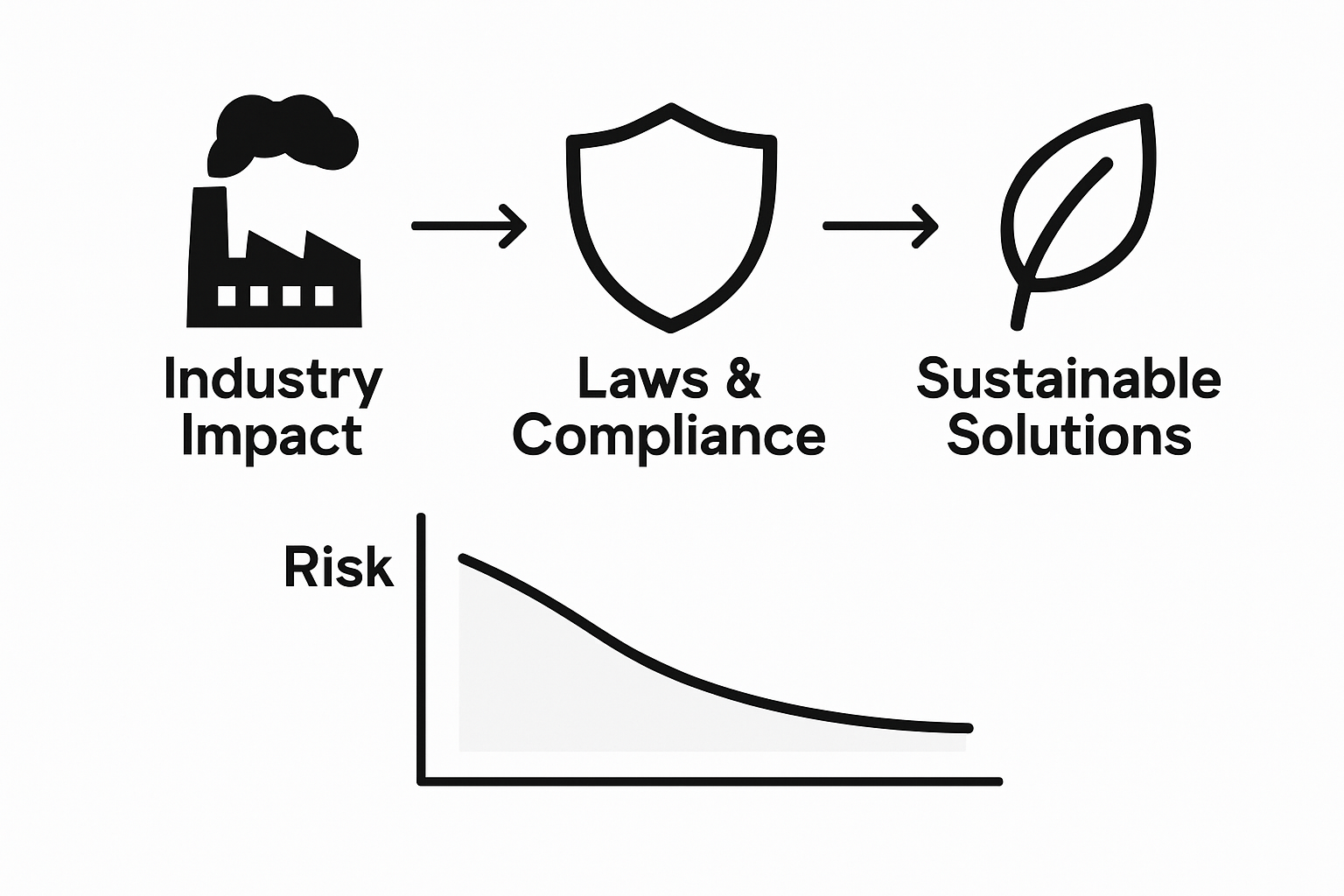
Industries must recognize that their operational decisions carry significant ecological consequences. The interconnected nature of global ecosystems means that seemingly isolated business activities can trigger complex environmental chain reactions, creating substantial legal and ethical responsibilities for corporate entities engaged in resource management, production, and service delivery.
Key risk management strategies include:
-
Proactive Environmental Risk Assessment
- Comprehensive ecological impact studies
- Predictive environmental modeling
- Species habitat disruption analysis
- Biodiversity preservation protocols
-
Liability Mitigation Approaches
- Legal compliance frameworks
- Insurance and financial risk protection
- Environmental restoration commitments
- Transparent reporting mechanisms
Successful risk management requires a holistic approach that integrates technological innovation, legal compliance, and ethical considerations. Businesses must view environmental responsibilities not as burdensome regulations but as opportunities for responsible innovation and sustainable growth. Wildlife conservation management demands a sophisticated understanding of the complex interactions between human economic activities and natural ecosystems.
Drive Real Change in Wildlife Conservation Through Sustainable Hospitality Solutions
Wildlife conservation demands thoughtful action from every layer of the hospitality industry. The article highlights the urgent need to combat environmental risks and implement sustainable practices that protect delicate ecosystems and biodiversity. Businesses face challenges like habitat disruption and regulatory compliance but also hold tremendous power to support conservation through eco-friendly operations and responsible sourcing. By switching to sustainable, reusable alternatives in everyday use, you can reduce harm caused by single-use plastics while promoting environmental stewardship aligned with global conservation goals.

Discover how integrating durable, biodegradable straws made from innovative wood and plant-based materials can elevate your commitment to wildlife conservation. At TheOceanStraw.com, we help foodservice and hospitality businesses take decisive steps toward reducing their ecological footprint without sacrificing quality or customer experience. Act now to join the growing community of eco-conscious businesses transforming industry impact through practical, scalable solutions. Explore our product information and benefits and start your journey toward sustainable innovation today.
Frequently Asked Questions
What is wildlife conservation?
Wildlife conservation is the practice of protecting and preserving plant and animal species and their habitats to maintain ecological balance and biodiversity.
What are the common myths about wildlife conservation?
Common myths include the beliefs that conservation only matters for endangered species and that it is solely a responsibility of governments and scientists. In reality, conservation supports entire ecosystems and individuals can contribute significantly.
What are some key wildlife management strategies?
Key wildlife management strategies include population control techniques like regulated hunting, habitat management, and breeding programs, as well as ecological restoration methods such as species reintroduction and invasive species management.
How do businesses contribute to wildlife conservation?
Businesses can contribute to wildlife conservation by adopting sustainable practices, supporting responsible sourcing, engaging in community environmental education, and implementing resource management strategies that reduce ecological impact.
Recommended
- Wildlife Conservation Management: Complete Guide – The Ocean Straw
- Impact of Plastic Waste on Marine Life: Complete Guide – The Ocean Straw
- Social Impacts of Plastic Pollution: Complete Guide – The Ocean Straw
- The Environmental Impact of CBD Flower Farming: Understanding the Sust – California Blendz